

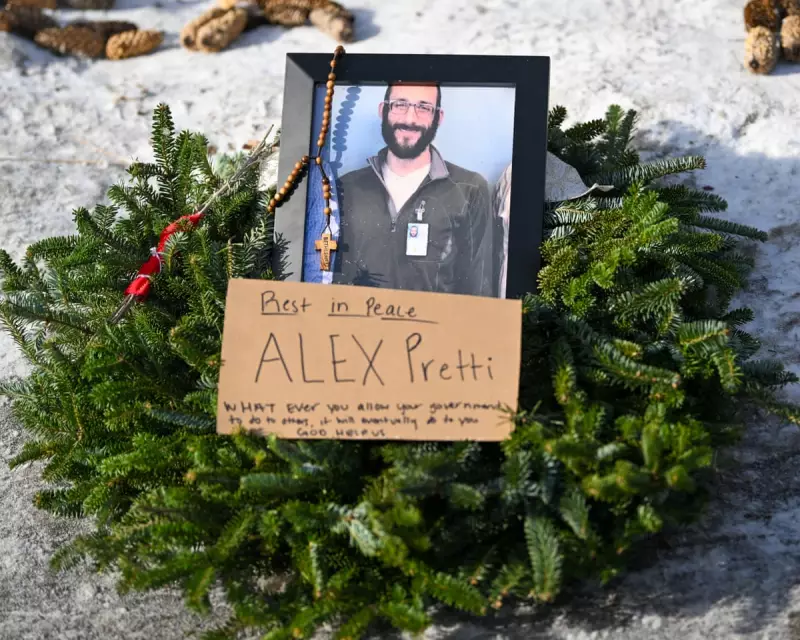
The Trump administration is scaling back its federal immigration enforcement presence in Minneapolis, Minnesota, following the fatal shooting of a local intensive care unit nurse by Border Patrol agents. Gregory Bovino, the 55-year-old Border Patrol commander who has become the public face of the administration's on-the-ground crackdown in the city, is expected to depart today.
Leadership Reshuffle After Controversial Shooting
This move forms part of a broader reshuffling of immigration enforcement leadership after the death of Alex Pretti, a 37-year-old nurse with no criminal record who held a legal permit to carry a firearm. Pretti was fatally shot by Border Patrol agents on 24 January, sparking widespread outrage and condemnation from civil liberties activists and Democratic politicians.
A senior Trump administration official confirmed to Reuters that Bovino would be leaving Minnesota along with some of the agents deployed alongside him. Bovino has been a lightning rod for criticism, with many blaming the aggressive tactics of federal immigration operations for the tragic incident.

Contradictory Statements from Administration Officials
In the immediate aftermath of the shooting, administration officials were quick to label Pretti a "domestic terrorist." However, during a White House press briefing yesterday, spokesperson Karoline Leavitt struck a more conciliatory tone, describing Pretti's death as a "tragedy." She was careful not to directly contradict senior adviser Stephen Miller, who had previously called Pretti a "would-be assassin," instead blaming the shooting on Democrats.
President Donald Trump announced on Monday that he was sending Tom Homan, his so-called "border tsar," to Minnesota to oversee ground operations there. The initiative, dubbed Operation Metro Surge, will report directly to the president, indicating continued federal involvement despite the reduced visible presence.
Family Outrage and Political Fallout
Pretti's family issued a strongly worded statement following his killing, saying: "The sickening lies told about our son by the administration are reprehensible and disgusting." The family emphasised that Pretti had no criminal history and was legally authorised to carry a firearm, contradicting the administration's initial characterisation of him as a threat.
Trump said he held "a very good call" with Minnesota Governor Tim Walz and Minneapolis Mayor Jacob Frey, though details of their conversation have not been made public. The shooting represents the second federal killing in Minneapolis in recent years, raising serious questions about the use of force by federal agents in urban settings.
Broader Context of Federal Immigration Enforcement
The scaling back of federal presence in Minneapolis comes amid growing tension between local authorities and federal immigration officials in several American cities. The Trump administration's aggressive immigration enforcement policies have frequently clashed with sanctuary city policies adopted by many urban centres, including Minneapolis.
This incident highlights the complex and often contentious relationship between federal immigration authorities and local communities, particularly in cities with significant immigrant populations. The departure of Bovino and his team represents a significant tactical shift, though it remains unclear whether this signals a broader change in immigration enforcement strategy nationwide.
The shooting has reignited debates about the appropriate role of federal immigration authorities in domestic law enforcement and the use of lethal force in non-border settings. Civil liberties groups have called for greater accountability and transparency in federal immigration operations, while immigrant rights organisations have demanded a complete reassessment of the administration's enforcement tactics.






