Canadian Mother and Autistic Daughter Detained by ICE in Texas Despite Valid Documentation
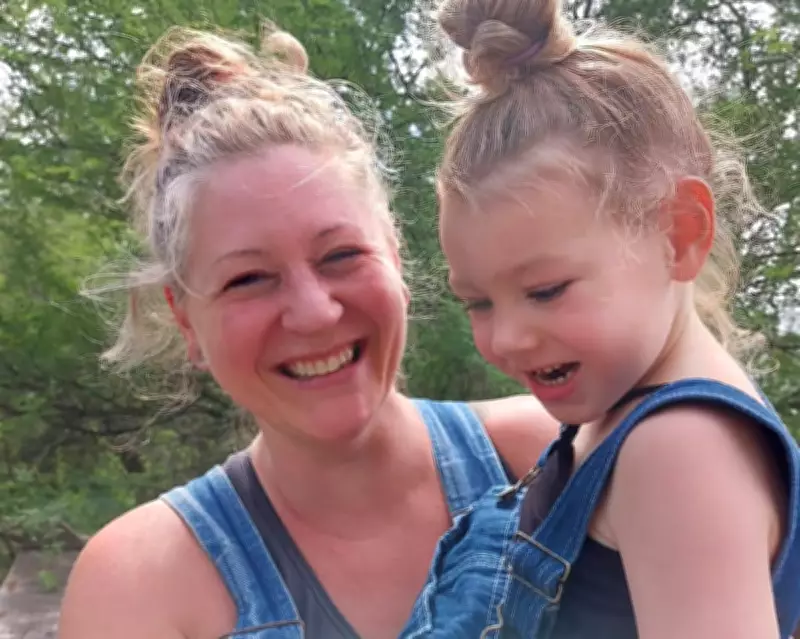
A Canadian mother and her seven-year-old daughter, who has autism, have been detained by US Immigration and Customs Enforcement (ICE) in Texas since Saturday, according to family members who claim the detention is unlawful. Tania Warner and her daughter Ayla Lucas, both Canadian citizens, are being held at the notorious Rio Grande Valley Central processing center in McAllen, Texas, despite presenting what relatives describe as valid immigration paperwork.
Border Checkpoint Encounter Leads to Unexpected Detention
The family was returning home from a baby shower in Raymondville, Texas, on March 14 when they were stopped at a border patrol checkpoint in Sarita. Edward Warner, Tania's husband and a US citizen, presented his identification while Tania provided her Texas driving license, work visa, and what her husband described as her "actual visa." According to Edward Warner's account to CTV News, border patrol agents took Tania for fingerprinting under the pretense of gathering additional information, but she never returned.
ICE agents subsequently took seven-year-old Ayla for fingerprinting as well, and she too failed to return to her family. The family now finds themselves separated, with mother and daughter detained while Edward remains outside the facility, desperately seeking answers and legal assistance.

Valid Documentation and Growing Concerns
Amber Sinclair, Tania's cousin and a dual Canadian-US citizen living in Houston, expressed confusion about the detention, noting that Tania had taken careful steps to ensure her immigration paperwork was properly processed. "She has a social security card. She has a functional visa. That's good until 2030, so I don't understand why they're stopping her and detaining her," Sinclair told the Guardian.
Documents provided to CTV News indicate that Tania Warner is categorized as a "Lawful Alien Allowed to Work," adding to the family's frustration about what Edward Warner described as a "scary and really frustrating" situation where "they have paperwork that's good."
Harsh Detention Conditions and Family Separation Fears
According to phone conversations with relatives, Warner has learned that mother and daughter are being held in poor conditions at the Rio Grande Valley Central facility. "She's having to use the mat from the floor to get a proper cover to keep warm. The food is terrible ... it's overcrowded, very loud, and they're just very stressed out right now," Edward Warner told CTV.
Sinclair fears that Tania and Ayla could face deportation, potentially separating them from Edward and the rest of their family in Texas, along with Tania's job. The family is currently scrambling to raise enough money through a GoFundMe campaign to pay for legal representation.
Limited Canadian Government Response
Global Affairs Canada, the federal ministry handling consular services and diplomatic relations, confirmed awareness of "multiple cases of Canadians currently or previously in immigration-related detention in the US." A spokesperson noted that while consular officials advocate for Canadian citizens abroad and raise concerns about justified complaints of ill-treatment or discrimination with local authorities, they "cannot exempt Canadians from local legal processes."
Edward Warner told CTV that the Canadian consulate in Texas informed him it could only provide assistance if Tania and Ayla were seeking to return to Canada, rather than remaining in the United States with their family.
Expert Analysis on Immigration System Concerns
Audrey Macklin, an immigration and refugee law professor at the University of Toronto, emphasized the traumatic impact of detention on children, even for short periods. "Detention of children in particular, even for a short period of time, can be traumatic and have severe, enduring consequences," she stated.
Macklin suggested that while Canada has limited power in this scenario, its representatives should be requesting to visit the family in detention and provide legal counsel. "It raises concerns for Canada ... about its own obligations toward its nationals," she added, noting that those working and living in the US who rely on documentation are particularly vulnerable to detention.

"This really just illustrates the cruelty of the US system," Macklin concluded. "Basically, people are being kidnapped and thrown into detention in abusive, inhumane, unsafe conditions."
Broader Context of Immigration Enforcement
Sinclair noted that there have been many ICE checkpoints established in Kingsville, Texas, where the family lives, as the area is approximately 120 miles from the border with Mexico. This case highlights ongoing concerns about immigration enforcement practices affecting individuals with valid documentation, particularly those with special needs or medical conditions.
The detention of a child with autism adds another layer of complexity to an already distressing situation, raising questions about appropriate accommodations and treatment within immigration detention facilities.