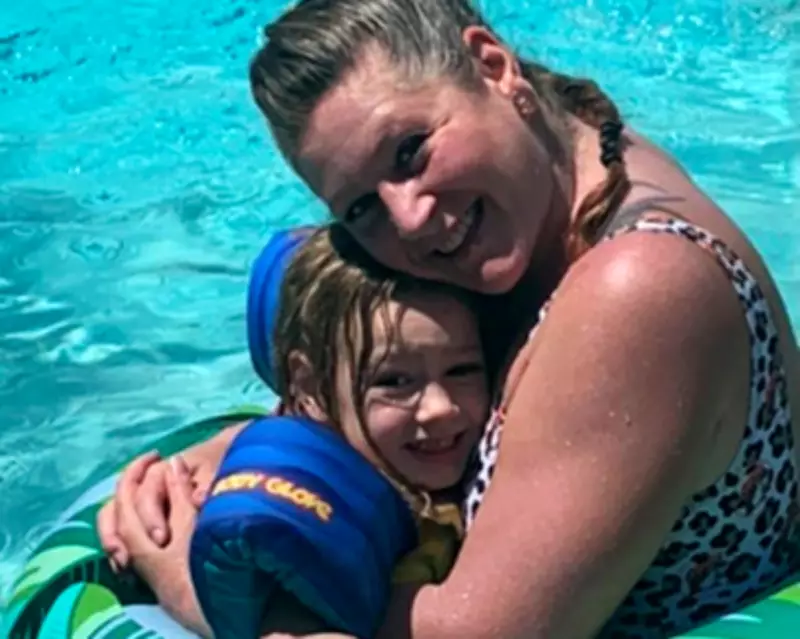
Canadian Mother and Autistic Daughter 'Traumatized' by ICE Detainment in Texas
A Canadian mother and her seven-year-old daughter with autism have been detained by U.S. Immigration and Customs Enforcement (ICE) in Texas for nearly a week, transferred to a notorious detention center, and instructed to "self-deport," according to her husband, who describes the experience as deeply traumatic for the family.
Family Detained at Border Patrol Checkpoint
Tania Warner and her daughter Ayla Lucas, originally from British Columbia, Canada, moved to the United States five years ago after Tania married Edward Warner, a U.S. citizen. The family resides in Kingsville, Texas. On March 14, while driving home from a baby shower in Raymondville, they were stopped at a border patrol checkpoint in Sarita, leading to their immediate detention.
Edward Warner reports that he has only been able to have brief telephone calls with his wife, often lasting no more than a few minutes. "She says she's traumatized ... They're not good," he said, noting that Tania is forced to whisper during calls to avoid being overheard by officials. He added that Ayla has developed a rash during her time in detention.

Legal Status and Calls for Release
Warner asserts that the detention is unlawful, as Tania's paperwork to live and work in the U.S. is valid until 2030. Tania's cousin, Amber Sinclair, confirmed that she possesses a social security card and a functional visa, questioning the justification for the detention. The family is currently scrambling to raise funds for legal assistance to secure their release.
Vicente Gonzalez, a Democratic congressman for Texas's 34th congressional district, has issued a statement advocating for the family. "Tania has a work permit and is part of the fabric of our Kingsville community; she nor her daughter Ayla, a 7-year-old with autism, should be in detention," he stated. He emphasized the need to reunite families separated by what he calls "rogue immigration enforcement operations."
Transfer to Dilley Detention Center
Initially held at the Rio Grande Valley Central processing center in McAllen, Texas, Warner and Ayla were moved early Friday to the Dilley immigration processing center in south Texas. Dilley, originally opened under the Obama administration and reopened in early 2025 to hold detained families, has faced severe criticism from lawyers, human rights advocates, and detainees for inhumane conditions, including disease outbreaks, lack of clean drinking water, and poor medical care.
Edward Warner noted that while conditions remain harsh, the move to Dilley has at least provided mattresses for sleeping, unlike at Rio Grande where they slept on the floor.
International and Legal Responses
Global Affairs Canada, the federal ministry handling consular services, acknowledged awareness of multiple cases involving Canadians in U.S. immigration detention. A spokesperson stated that consular officials advocate for citizens but cannot exempt them from local legal processes, citing privacy concerns that prevent further disclosure.
When questioned about the detention, an ICE spokesperson requested more information to locate the individuals, but had not responded by the time of publication. Heather Neufeld, an Ottawa-based immigration lawyer with experience in ICE cases, highlighted the challenges in securing release, noting that prolonged detentions are common, with some individuals held for years instead of being deported quickly. She emphasized that federal court interventions are often necessary, making the process slow and difficult.
The case underscores ongoing tensions in U.S. immigration enforcement, particularly affecting vulnerable individuals like children with autism, and raises questions about the treatment of detainees and the legal pathways for their release.