

Congressman's Visit to Detained Child Highlights Immigration Concerns
Democratic Representative Joaquin Castro has personally visited a five-year-old boy and his father who are currently being held at an Immigration and Customs Enforcement (ICE) detention facility in Texas. The congressman's visit, which took place on 28 January 2026, brought renewed attention to the ongoing immigration enforcement practices under the current administration.
Emotional Encounter at Dilley Detention Centre
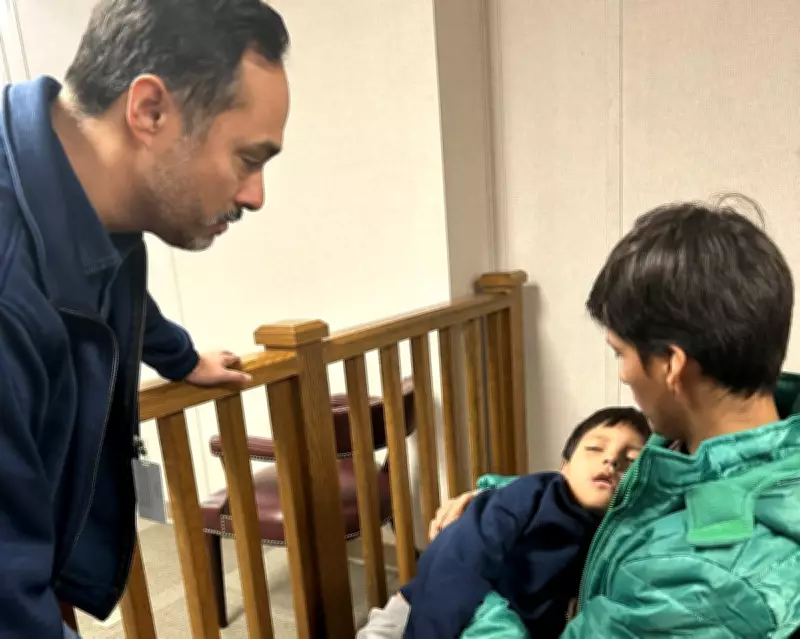
During his visit to the South Texas Family Residential Center in Dilley, Texas, Representative Castro spent approximately thirty minutes with Adrian Conejo Arias and his young son, Liam Ramos. The congressman documented the meeting through social media posts that included photographs showing the five-year-old child resting in his father's arms during their conversation.
"I demanded his release and told him how much his family, his school, and our country loves him and is praying for him," Castro wrote in his social media update following the visit. The Texas congressman, who represents the state's 20th congressional district, made the journey specifically to check on the welfare of the detained father and son.

Child's Mental Health Concerns Emerge
Perhaps most concerning were the observations Castro shared about young Liam's condition. The congressman reported that the child's father expressed deep worry about his son's mental state, noting that Liam "hasn't been himself" since their detention. According to the father's account to Castro, the five-year-old has been sleeping excessively and showing clear signs of depression and sadness.
"I am concerned about his mental state," Castro added in his public statements about the visit. The congressman noted that during their meeting, Liam remained asleep throughout the entire thirty-minute visit, which further highlighted the child's distressed condition.
Controversial Detention Circumstances
The case first gained national attention when Liam and his father were detained on 20 January 2026 in Minnesota. According to witnesses, federal immigration agents took both individuals into custody in their own driveway shortly after returning home from preschool. A widely circulated photograph showed the young boy wearing a distinctive blue bunny hat and carrying a Spider-Man backpack during the detention process.
School district officials who witnessed the incident have challenged the official Department of Homeland Security account of events. While DHS claimed that Liam's father attempted to flee and abandoned his child, local witnesses maintain that an adult resident of the home offered to care for Liam but that immigration officials still proceeded to detain the five-year-old alongside his father.
Legal Challenges and Family's Status
The family's legal representatives have strongly contested the government's characterisation of their immigration status. According to documentation shared by their attorney, the father and son entered the United States through an official port of entry and have an active asylum case pending. Their lawyer has emphasised that "they did not come here illegally" and that no deportation order exists against them.
In a significant legal development, a federal judge issued a temporary order on Monday blocking any potential deportation while litigation challenging their detention continues. This legal protection provides at least temporary security for the detained father and son as their case proceeds through the judicial system.
Broader Implications for Immigration Policy
Representative Castro's visit to the Dilley facility occurred amidst his broader inspection of conditions affecting approximately 1,100 individuals currently detained at the Texas immigration processing centre. The congressman's public engagement with this particular case reflects growing concern among Democratic lawmakers about immigration enforcement practices that involve families and young children.
The situation continues to develop as legal proceedings unfold and public attention remains focused on the welfare of detained immigrant children across the United States immigration system.






