

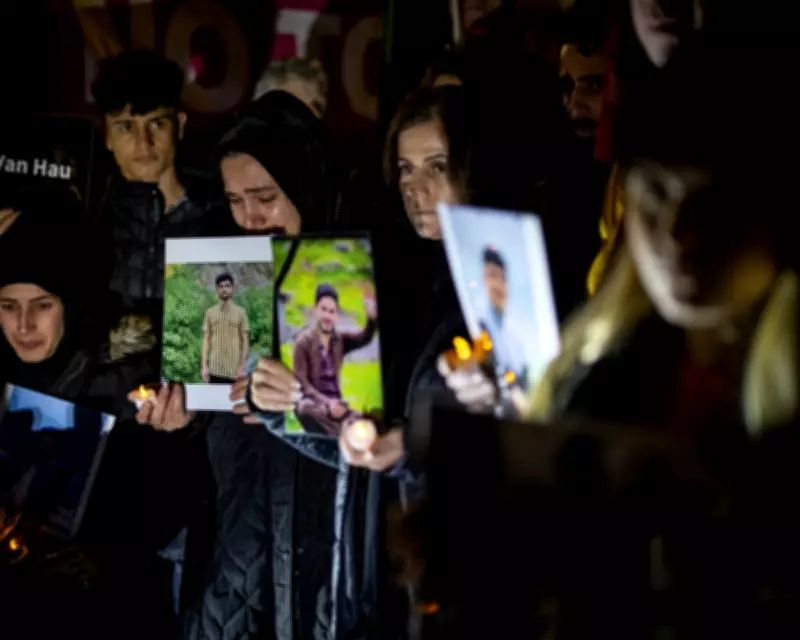
The findings of the Cranston Inquiry have been published, detailing the circumstances surrounding the worst small boat disaster ever recorded in the English Channel. The comprehensive report sheds light on the tragic incident that resulted in significant loss of life and has sparked widespread concern over migrant safety and border policies.
Key Findings of the Inquiry Report
The inquiry, led by a panel of experts, concluded that the disaster was caused by a combination of factors, including adverse weather conditions, overcrowding on the vessel, and inadequate safety measures. The report emphasises that this was not an isolated event but part of a broader pattern of risks faced by individuals attempting to cross the Channel in small boats.
Systemic Failures and Safety Concerns
According to the report, systemic failures in both prevention and response mechanisms contributed to the severity of the disaster. It criticises the lack of effective coordination between UK and French authorities, as well as insufficient resources dedicated to maritime rescue operations in the Channel.

The inquiry highlights that many of the victims were vulnerable migrants, including women and children, underscoring the humanitarian crisis at play. The report calls for immediate action to address these gaps, proposing measures such as enhanced surveillance, better-equipped rescue teams, and improved international cooperation.
Impact on UK Immigration and Border Policies
The disaster has intensified debates over UK immigration policies, with critics arguing that current approaches fail to protect human lives. The Cranston Inquiry report adds weight to calls for a more compassionate and effective strategy, balancing border security with humanitarian obligations.
Political reactions have been mixed, with some MPs urging swift implementation of the report's recommendations, while others focus on stricter enforcement to deter future crossings. The government has acknowledged the findings and pledged to review its policies, but concrete steps remain under discussion.
Recommendations for Future Prevention
The report outlines several key recommendations to prevent similar tragedies:
- Increase funding for joint UK-France patrols and rescue operations in the Channel.
- Implement stricter regulations on boat safety and capacity for vessels used in crossings.
- Enhance support for migrants in transit, including access to legal pathways and asylum processes.
- Conduct regular reviews of border and maritime policies to adapt to evolving risks.
These proposals aim to create a safer environment while addressing the root causes of dangerous Channel crossings. The inquiry stresses that without such changes, the risk of further disasters remains high.
Public and International Response
Public outcry has grown following the release of the report, with advocacy groups and charities demanding immediate action. International organisations have also weighed in, calling for a coordinated European response to migrant safety in the Channel.
The Cranston Inquiry report serves as a stark reminder of the human cost of migration crises and the urgent need for reform. As discussions continue, the focus remains on honouring the victims and ensuring that such a tragedy does not recur.






