

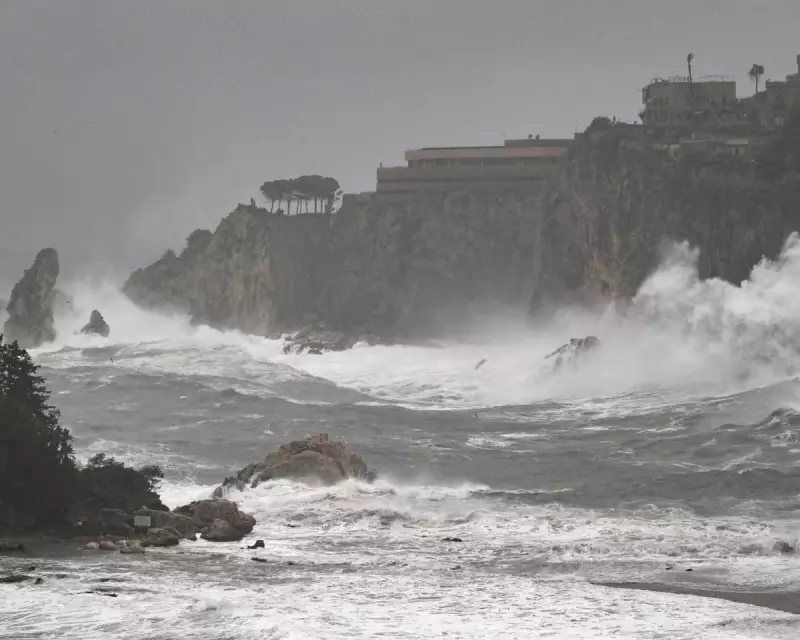
Cyclone Harry's Fury: Mediterranean Migrant Tragedy Claims Hundreds of Lives
Last week, the Mediterranean Sea witnessed a devastating humanitarian crisis as Cyclone Harry unleashed its full force upon southern Italy and Malta. The Italian coastguard has issued a grim estimate, suggesting that up to 380 people may have drowned while attempting perilous crossings during the storm's peak. This catastrophic event underscores the extreme dangers faced by migrants and refugees seeking sanctuary in Europe via one of the world's most treacherous maritime routes.
Confirmed Shipwreck Off Malta Claims Fifty Lives
In one harrowing incident confirmed by Maltese authorities, a vessel carrying migrants met a tragic end on Friday, resulting in the loss of fifty lives. The sole survivor, who was hospitalised in Malta after a gruelling ordeal, reported clinging to wreckage for 24 hours before being rescued by a passing merchant ship. According to Alarm Phone, an organisation operating a distress hotline for those at sea, the survivor believes all other passengers perished. The boat had originally departed from Tunisia on 20 January, highlighting the ongoing flow of migration from North African shores despite severe weather warnings.
Separate Tragedy Involving Infant Twins Near Lampedusa
In a separate and heart-wrenching development, Unicef's migrant and refugee response unit in Italy has reported that one-year-old twin girls from Guinea are presumed to have died off the coast of Lampedusa. Their overcrowded boat was battered by Cyclone Harry's immense waves, adding to the toll of this natural disaster. This incident poignantly illustrates the vulnerability of children and families undertaking these hazardous journeys in search of safety and better opportunities.

Italian Coastguard's Extensive Search Operations
The Italian coastguard has been engaged in relentless search efforts, scouring the Mediterranean for eight vessels that were launched by people smugglers from the Tunisian port city of Sfax over the past ten days. Despite the treacherous conditions created by Cyclone Harry, which generated huge, life-threatening waves, these boats set sail, leading to the current high estimates of potential fatalities. The coastguard's ongoing operations aim to locate any remaining survivors and provide closure for the families of those lost at sea.
Broader Context of Mediterranean Migration Trends
According to recent figures from Italy's interior ministry, 66,296 people arrived by boat on Italian coastlines during 2025. This represents a slight decrease compared to the previous year but is approximately half the number of arrivals recorded in 2023. The decline can be partly attributed to reinforced agreements with Libya and Tunisia enacted by Italy's far-right government, aimed at curbing the flow of migrants. However, these measures have not eliminated the risks, as evidenced by last week's tragedies.
Impact of NGO Rescue Ship Crackdowns
The Mediterranean has seen a reduction in the presence of NGO rescue ships due to a stringent crackdown by the Italian government. Policies including substantial fines and mandates requiring disembarkation at distant ports, rather than closer ones like those in Sicily, have hampered rescue efforts. This regulatory environment has made it more challenging for humanitarian organisations to operate effectively, potentially contributing to the heightened dangers faced by migrants during extreme weather events like Cyclone Harry.
Persistent Risks on the Central Mediterranean Route
Despite hardline governmental measures, individuals continue to attempt the high-risk journey from North Africa to Europe, with Italy remaining a primary landing point. The central Mediterranean route is widely regarded as one of the most dangerous in the world. The UN's International Organization for Migration has documented at least 25,600 deaths and disappearances since 2014 among those attempting this crossing. A significant majority of these tragedies are linked to boats departing from Tunisia or Libya, underscoring the urgent need for enhanced safety protocols and international cooperation.

The aftermath of Cyclone Harry serves as a stark reminder of the human cost associated with migration across the Mediterranean. As search and rescue operations continue, the international community is called upon to reflect on strategies that balance border security with humanitarian imperatives, ensuring that such devastating losses are prevented in the future.





