

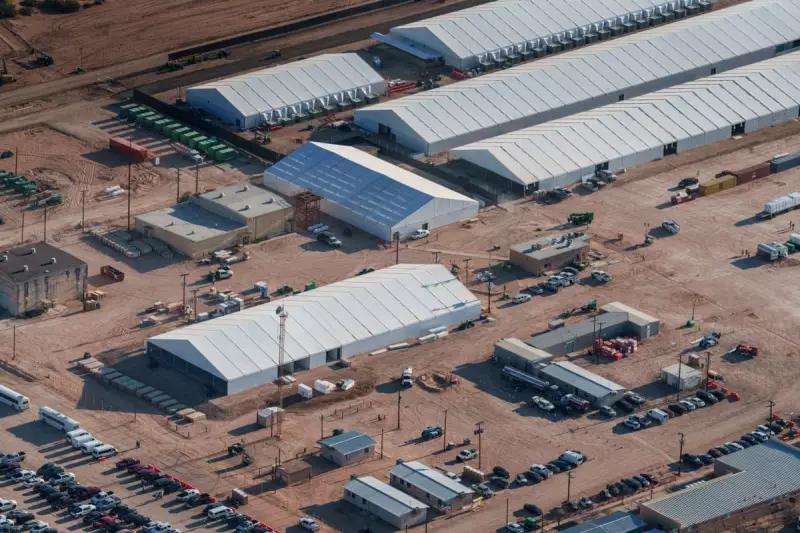
The first death has been recorded at a controversial US Immigration and Customs Enforcement (ICE) detention facility on the Fort Bliss army base in Texas, with the deceased's wife deported to Guatemala before she could see her dying husband.
A Tragic Separation and Death in Custody
Francisco Gaspar-Andrés, 48, died on 3 December 2025 at a hospital in El Paso. His death occurred as Democratic lawmakers and immigration advocates intensified calls to shut down the Camp East Montana tent facility at Fort Bliss, citing alleged inhumane conditions.
His wife of 25 years, Lucía Pedro Juan, was deported on 28 November while her husband was hospitalised. She was flown to Guatemala from the same camp where he was held, denying her a final chance to see him. "I never saw him again, I never spoke to him or heard his voice again. It's something terrible they did to us," she told the El Paso Times from her hometown of Santa Eulalia.

Medical Timeline and Official Response
According to an ICE press release, Gaspar-Andrés was held for ten weeks. The agency stated he received care for various ailments, including flu-like symptoms, bleeding gums, fever, jaundice, and hypertension. ICE suspects the cause of death was "natural liver and kidney failure".
An autopsy by the El Paso County medical examiner attributed his death to natural causes, specifically "complications of alcoholic hepatic cirrhosis". ICE maintains its medical staff provided "constant, high-quality care" from the moment his health crisis was known.
However, the couple's story began in September when they were arrested during a traffic stop in Homestead, Florida, where they had lived undocumented for over 18 years, raising five children and running a plant nursery. After initial detention, Gaspar-Andrés was treated for alcohol withdrawal in a Miami hospital before being transferred to Texas.
Mounting Scrutiny and Allegations of Neglect
The death has fuelled existing criticisms of the facility. Texas Democratic Congresswoman Veronica Escobar, whose district includes El Paso and Fort Bliss, has written multiple letters to Homeland Security and ICE officials expressing "grave concerns".
Following a visit on 24 November, Escobar reported persistent issues, including:
- Rotten food served to detainees.
- Inconsistent access to necessary medications.
- Lack of regular access to recreational areas.
- Poor laundry and cleaning services.
She stated, "He repeatedly sought medical care... staff at Camp East Montana only transferred Gaspar-Andres to a local hospital once he was in critical condition." Escobar was part of a group of representatives who successfully sued the administration for blocking unannounced congressional visits to ICE facilities.
Advocacy groups have echoed these concerns. The ACLU of Texas warned the pattern of alleged medical neglect raises fears of further deaths. Lucía Pedro Juan said she agreed to deportation because she feared she might die in the camp's harsh conditions.
The Department of Homeland Security (DHS) has labelled allegations of poor conditions "categorically false". In a strongly worded response to media inquiries, a DHS spokesperson defended the care provided, calling critical reporting "fearmongering clickbait" and asserting "No lawbreakers in the history of human civilization have been treated better."
The Guatemalan government has requested an investigation into the causes of death and is advising the family on repatriating Gaspar-Andrés's body. As record numbers are detained nationally, this case spotlights the intense debate over immigration enforcement and detention standards in the United States.






