

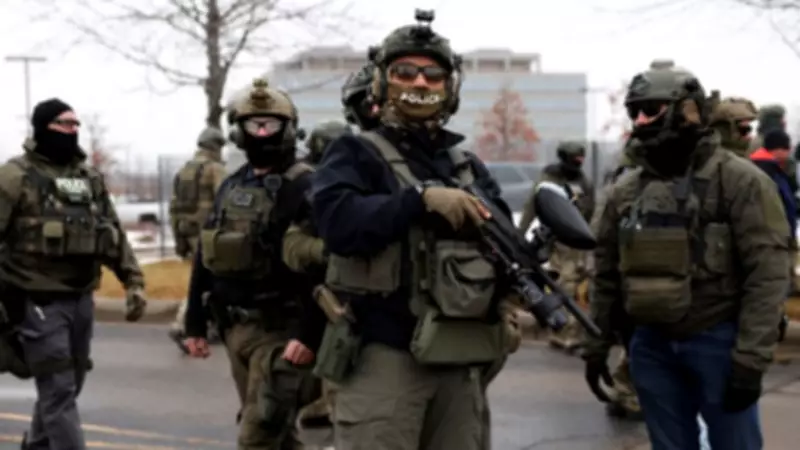
In a significant policy shift, Immigration and Customs Enforcement (ICE) agents operating in Minneapolis are set to be equipped with body-worn cameras. This decision comes in the wake of two fatal shootings involving federal officers that have sparked national outrage and calls for greater accountability.
White House Response to Fatal Incidents
The move follows the deaths of two individuals in Minneapolis last month, which have intensified scrutiny of immigration enforcement tactics. Alex Pretti, a 37-year-old ICU nurse, was killed by immigration officers, just weeks after mother-of-three Renee Good was shot dead by an ICE agent in her car. These incidents have led to widespread backlash and protests across the United States, prompting the White House to seek ways to alleviate tensions.
Noem Announces Camera Rollout
Homeland Security Secretary Kristi Noem has confirmed that every agent from her department in Minneapolis, including those from ICE, will receive a body camera. She also indicated plans to extend this initiative nationwide as funding becomes available, marking a broader effort to enhance transparency in federal law enforcement operations.

Donald Trump has expressed general support for the measure, stating that body cameras are beneficial because they prevent people from lying about events. However, he clarified that the decision was not his own, saying, "It's generally speaking I think 80% good for law enforcement. But if she wants to do the camera thing, that's okay with me."
Contradictions in Official Accounts
Following Mr Pretti's death, Ms Noem claimed he had attacked officers with a weapon and ammunition, but videos from the scene appear to show him holding only a mobile phone. Footage reveals officers tackling him to the ground, with one removing a handgun from his trousers. This discrepancy has raised questions about the accuracy of official statements and underscored the need for objective evidence.
The Department of Homeland Security has acknowledged that at least four Customs and Border Protection officers present during Mr Pretti's shooting were wearing body cameras, yet this footage remains undisclosed. It is also unclear whether any ICE officers at the scene of Ms Good's killing had cameras, highlighting gaps in current practices.
Investigations and Personnel Changes
In response to the escalating situation, two agents involved in Mr Pretti's fatal shooting have been placed on administrative leave, and the Department of Justice has initiated a federal civil rights investigation. Additionally, Donald Trump has dispatched Tom Homan, his so-called "border tsar," to Minneapolis to replace US border patrol commander Gregory Bovino, who had been overseeing ICE operations in the city.
Broader Context and Historical Precedents
The push for body cameras on immigration enforcement officers is not new. In 2022, former President Joe Biden issued an executive order mandating that federal law enforcement officers wear body cameras as part of broader policing reforms. However, this directive was rescinded by Donald Trump upon starting his second term, making the current announcement a notable reversal in approach.
As Minneapolis grapples with these tragic events, the implementation of body-worn cameras is seen as a critical step towards rebuilding public trust. Advocates argue that such measures can provide clearer accounts of interactions, reduce disputes over facts, and potentially prevent future incidents. The rollout in Minneapolis may serve as a test case for expanding this technology across the country's immigration enforcement agencies.






