

An Iranian Australian's Heartfelt Appeal for Iran Amid Conflict and Persecution
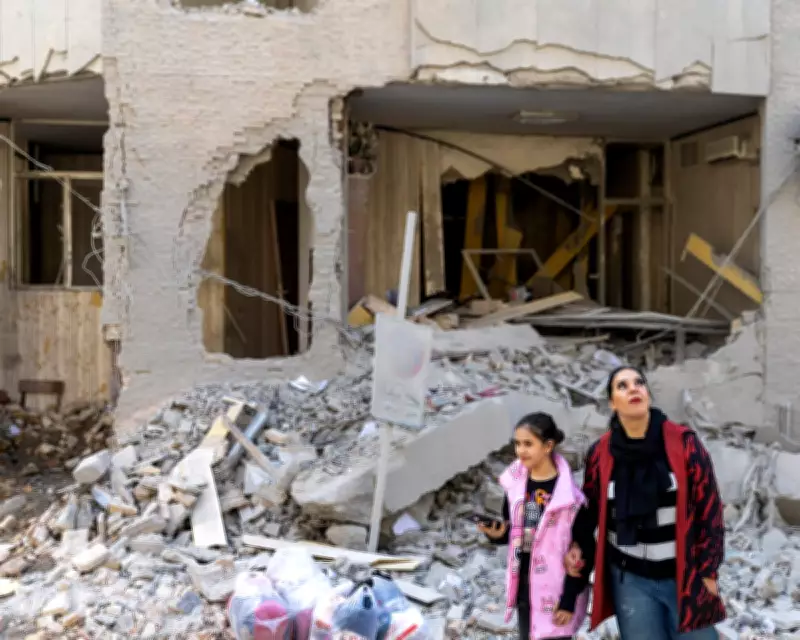
As a woman and child walk past a building devastated by airstrikes in Tehran during the US-Israel war on Iran, the scene captures the harrowing reality faced by millions. From the safety of Australia, Dellaram Vreeland, a second-generation Iranian migrant, expresses a profound sense of helplessness as she watches her spiritual community endure renewed persecution and conflict in their homeland.
A Legacy of Flight and Faith
Vreeland's family fled Iran in 1979, just before the revolution, as members of the Baháʼí faith—the largest non-Muslim religious minority in the country. Baháʼís have faced systematic persecution since the faith's inception in the mid-19th century, with violence and discrimination intensifying during periods of unrest. Now, with war escalating in the region, Iranian diaspora communities worldwide watch with trepidation, praying for peace while fearing the worst for their kin.
In recent months, Iranian authorities have increasingly targeted Baháʼís, using them as scapegoats for the protest movement that began in December. This pattern is familiar: during crises, the community is blamed and subjected to state-sanctioned oppression. Last month, two young Baháʼís were forced to deliver false confessions on-air, portrayed as members of a terrorist network despite their innocence. Human rights activists warn that such coerced statements often lead to executions in Iran.

The Power and Limits of Prayer
When Vreeland asked her grandmother about the situation in Iran, the response was poignant: "All I can do is pray." This reliance on prayer has sustained her family through decades of adversity, fostering resilience and faith in humanity. However, Vreeland emphasizes that prayer must be coupled with tangible action. Empty words are insufficient; they must inspire real-world efforts to promote unity, inclusivity, and community strength.
As a person of faith, Vreeland turns to prayer for solace and guidance, but she believes it should empower positive change. She introduces the concept of meliorism—the belief that acts of love, creativity, and compassion can drive progress. In times of global turmoil, such as the crisis in Iran, prayer can serve as a source of hope, motivating individuals to contribute to welfare, raise awareness, and educate future generations.
A Call to Global Solidarity
The injustices in Iran are not isolated; they reflect a broader troubled global landscape. Vreeland argues that suffering anywhere is everyone's business, and each action, whether negative or positive, has an impact. Being a source of light requires more than passive sympathy; it demands acknowledgment that collective well-being depends on active engagement. From supporting local communities to advocating for human rights abroad, every effort counts.
As Iranians worldwide grapple with fear and uncertainty, Vreeland's message is clear: prayer and devotion can provide comfort, but they must fuel meaningful action. By embracing meliorism, individuals can empower themselves to act for good, honoring those who cannot speak for themselves and striving for a more peaceful world.






