

Iranian Women Navigate Australia's Asylum Challenges
In recent developments, Iranian women fleeing persecution in their home country are encountering significant hurdles in Australia's asylum system. The process, marked by prolonged visa delays and the controversial use of offshore detention facilities, has sparked widespread debate about human rights and refugee protection.
The Asylum Process and Visa Delays
Many Iranian women arrive in Australia seeking safety from political oppression, gender-based violence, and social restrictions. However, the asylum application process often involves lengthy waits, with some cases taking years to resolve. This uncertainty leaves refugees in a state of limbo, unable to fully integrate or plan for their futures.
Key issues include:

- Backlogs in visa processing that exacerbate mental health strains
- Limited access to legal resources and support services
- Challenges in proving persecution due to documentation gaps
Offshore Detention and Nauru's Role
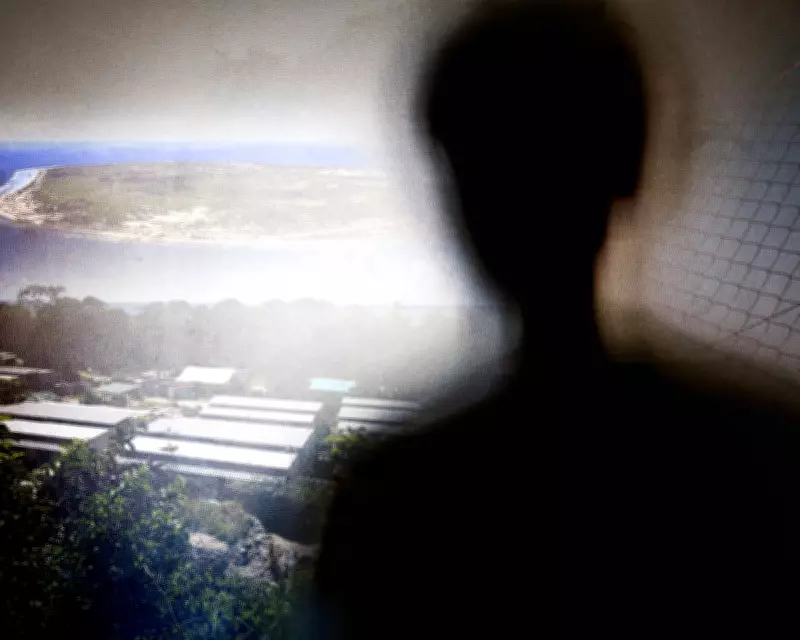
Australia's policy of processing asylum seekers offshore, particularly on the Pacific island of Nauru, has drawn international criticism. Iranian women held in these centers report poor living conditions, inadequate healthcare, and isolation from family and community networks.
Critics argue that such measures violate international refugee conventions and fail to provide humane treatment. Proponents, however, cite border security and deterrence of illegal immigration as justifications.
Human Rights and Advocacy Efforts
Human rights organizations have intensified campaigns to highlight the plight of Iranian women in Australia's asylum system. They call for reforms to expedite visa processing, improve detention conditions, and ensure fair hearings.
Advocates emphasize that many of these women face dual vulnerabilities as refugees and as targets of gender-based discrimination, necessitating tailored protection measures.
Looking Ahead
The situation underscores broader global challenges in refugee management. As political tensions in Iran persist, the flow of asylum seekers may increase, putting additional pressure on Australia's immigration framework. Stakeholders urge a balanced approach that upholds human dignity while addressing security concerns.
In summary, Iranian women's experiences in Australia's asylum system reveal critical gaps in refugee protection, with ongoing debates about policy efficacy and ethical obligations.






