

Irish Mother and Baby Home Survivors Confront UK Benefit Reductions Following Compensation Acceptance
Survivors of Ireland's notorious mother and baby homes have begun experiencing cuts to their benefits in Britain after accepting compensation from the Irish government. This development has sparked urgent calls for legislative action to safeguard financial support for thousands of affected individuals.
Campaigners Rally for Philomena's Law to Shield Survivors' Benefits
Advocates, including prominent actors Siobhán McSweeney and Steve Coogan, are urging UK Labour leader Keir Starmer to endorse a bill known as Philomena's Law. This proposed legislation aims to ringfence survivors' benefits, preventing compensation payments from impacting their eligibility for means-tested support. Up to 13,000 survivors residing in Britain could lose access to essential benefits like universal credit or pension credit if they accept compensation, which ranges from €5,000 to €125,000 depending on the duration of their stay in the homes.
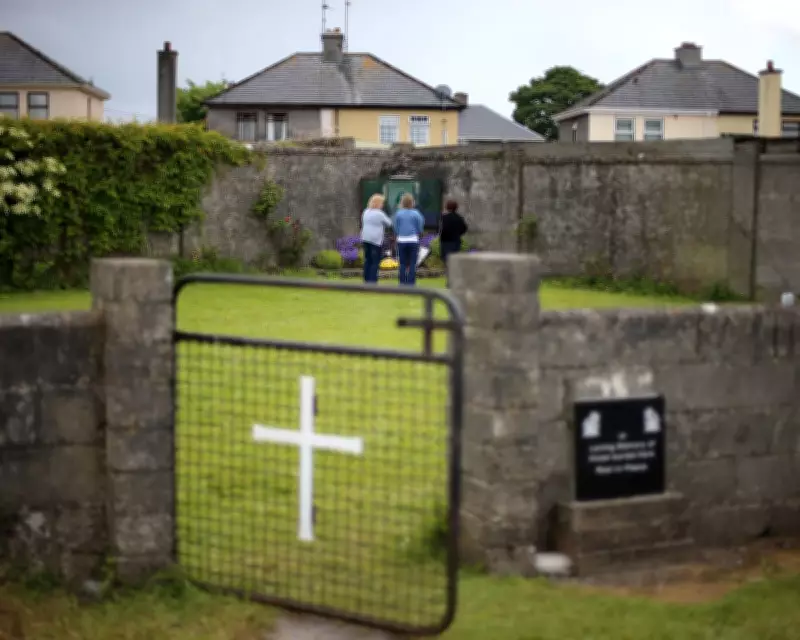
The Irish government's redress scheme was established following a comprehensive inquiry that detailed the horrific experiences of approximately 56,000 women and 57,000 children who were placed or born in these institutions, predominantly operated by nuns between 1922 and 1998. A 2021 report highlighted an alarming number of infant deaths and documented widespread cruelty and neglect, with women subjected to forced labor and separated from their babies, who were often fostered or adopted.

Compensation Scheme Triggers Financial Hardships for Survivors
Since the Mother and Baby Institutions Payment Scheme began disbursing funds in 2024, British councils have started notifying recipients that their compensation is considered savings, leading to reductions in benefits such as housing benefit. This has forced some survivors to decline compensation offers due to fears of losing critical financial support, with some cases resulting in rejection after six months or individuals passing away before resolution.
One survivor in her late 70s, who endured physical and psychological abuse from nuns, expressed initial joy upon learning of her eligibility for compensation. She had hoped to use the funds to visit a recently discovered half-brother in the United States. However, accepting the payment would jeopardize her pension credit and housing benefit, which she relies on for daily expenses and rent. She lamented, "The payment was meant to be a token of an apology from the Irish government for all the misery of the institutions, but now it's become a rope around my neck."
Legislative Efforts and Public Support for Change
Labour MP Liam Conlon has introduced Philomena's Law in parliament, with a second reading scheduled for March 28. Conlon emphasized the need for government backing, as time is running out in the current parliamentary session. He stated, "Sometimes the system at Whitehall says no, and this has come about because a blanket rule has been applied. What Whitehall often misses is the human-sized picture." The bill is named after Philomena Lee, whose story of forced separation from her son inspired the Oscar-nominated film Philomena.
An open letter to the British and Irish governments, signed by Coogan, McSweeney, comedian Dara Ó Briain, and broadcaster Emma Dabiri, highlights the trauma survivors face. It reads, "We're backing Philomena's Law to stand with survivors and help ensure that redress does not bring more hardship. It is a practical change that would make a profound difference in survivors' lives." While similar ringfencing measures have been applied to other compensation schemes, such as those for Windrush families, this bill would be the first to extend such protections to a foreign compensation scheme.
The Department for Work and Pensions has been approached for comment on the matter, as campaigners continue to push for a resolution that balances justice with financial security for survivors.






