

Federal Judge to Hear Arguments on Minnesota's Immigration Crackdown After Fatal Shootings
A federal judge is set to hear arguments later today on whether to halt a controversial immigration enforcement operation in Minnesota, following the killings of two US citizens by federal agents within a month. The hearing comes amid escalating pressure on the Trump administration to investigate these incidents, with bipartisan opposition growing against Immigration and Customs Enforcement (ICE) activities in the state.
Lawsuits Filed After Recent Killings Spark Outrage
The state of Minnesota, along with the cities of Minneapolis and St Paul, has sued the Department of Homeland Security, which oversees ICE. This legal action was initiated earlier this month, just five days after Renee Good, a mother-of-three and award-winning poet, was fatally shot by an ICE officer. Her death triggered widespread outrage and protests across Minneapolis, adding to the tension following the killing of Alex Pretti by federal immigration officers in the city last Saturday.
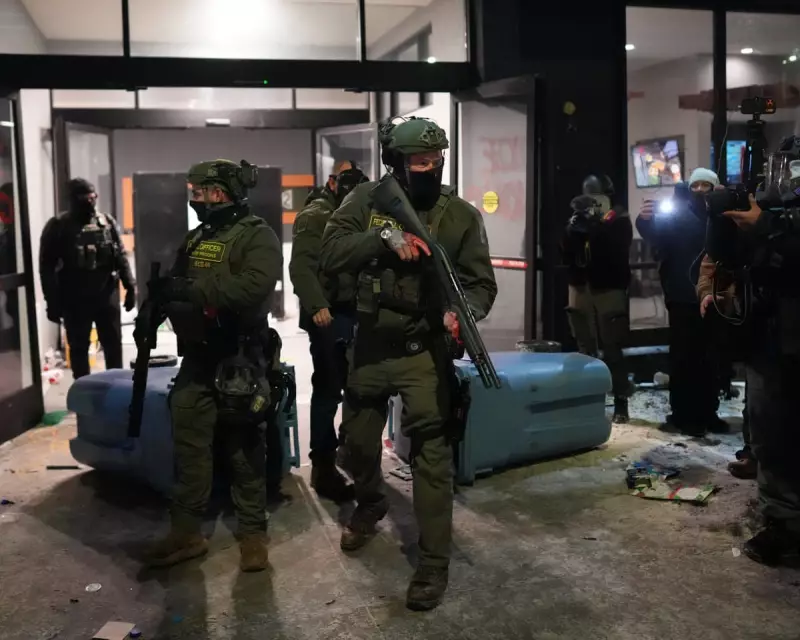
In their lawsuit, the plaintiffs are requesting that US District Judge Kathleen Menendez issue an order to reduce the number of federal agents in Minnesota to pre-surge levels. Currently, approximately 3,000 agents are deployed in the state as part of ICE's "Operation Metro Surge," launched in the Minneapolis area last month. This force significantly outnumbers the local Minneapolis police, with a ratio of about five to one, raising concerns about over-policing and constitutional abuses.

Community Impact and Legal Challenges
The surge of federal agents has instilled fear in communities throughout Minnesota, with numerous reports of aggressive tactics. Incidents include legal observers being detained without charge, schoolchildren exposed to tear gas, and armed officers appearing at sensitive locations such as daycares, churches, and mosques. These actions have exacerbated tensions and prompted calls for accountability.
At a recent news conference, Democratic Minnesota Attorney General Keith Ellison emphasized the unprecedented nature of the operation. He stated, "We filed this lawsuit because of the unprecedented nature of this surge. It is a novel abuse of the constitution that we're looking at right now. No one can remember a time when we've seen something like this." Ellison's comments highlight the legal and ethical concerns driving the state's challenge against federal enforcement practices.
Uncertain Outcome and Federal Response
Ahead of the hearing, it remains unclear when Judge Menendez might issue a ruling. Justice Department attorneys have dismissed the lawsuit as "legally frivolous" and argued that Minnesota is attempting to exert undue influence over federal law enforcement. They contend that the state's demands amount to seeking a veto over legitimate federal operations, setting the stage for a contentious legal battle.
As arguments unfold in court, the outcome could have significant implications for immigration enforcement policies in Minnesota and beyond. The case underscores the deepening rift between state authorities and federal agencies, with communities caught in the crossfire of escalating enforcement measures.






