

Labour's Border Policy: Mahmood Outlines New Asylum Work Rules
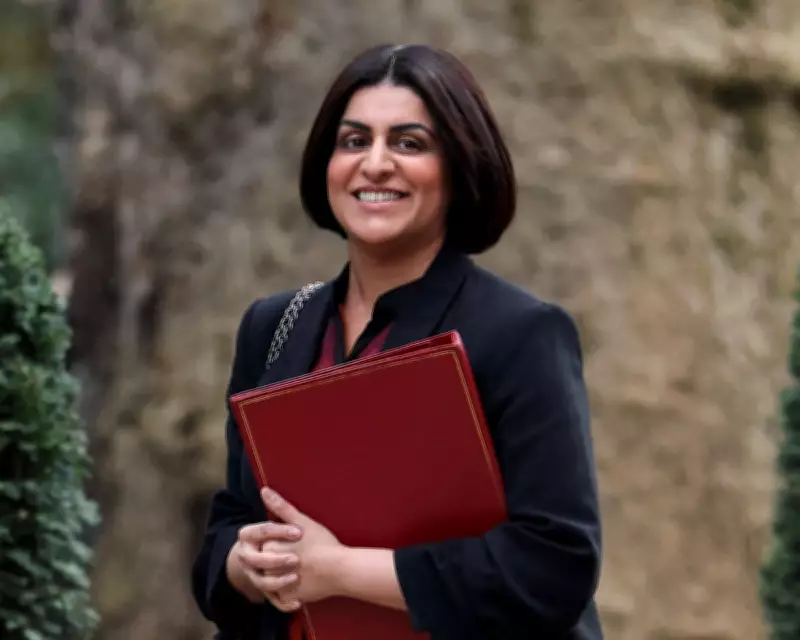
In a significant development for UK immigration policy, Home Secretary Shabana Mahmood has detailed new measures that could allow up to 21,000 asylum seekers to enter the jobs market. This initiative, set to be announced on Thursday, targets individuals who have waited over a year for their claims to be processed, aiming to enable them to support themselves and reduce reliance on government accommodation.
Reducing Hotel Dependence Through Employment
The Home Office revealed that approximately 30,600 people are currently awaiting asylum claims, with many housed in around 200 hotels across the UK. Under the new rules, asylum seekers who find employment would transition out of support systems, potentially moving from hotels into private housing. This move is part of a broader strategy to empty asylum hotels and shift towards a more conditional support approach.
Currently, those in dispersal accommodation receive £48 per week, while those in hotels get £9.95 per person. By extending work permissions, officials hope to facilitate self-sufficiency among long-term claimants. However, the measures also include stricter enforcement: from June, claimants who break the law, work illegally, or possess sufficient assets to live without support will face ejection and loss of payments.

Mahmood's Vision for Border Control
In a Guardian column, Shabana Mahmood articulated Labour's border policy, positioning it as a middle ground between extremes. She wrote, "Restoring order at our border is not just an embodiment of Labour values, it is the necessary condition for a Labour government to do anything at all." Mahmood emphasized that the vision should appeal to the mainstream, avoiding what she described as "the nightmare of Farage's borders, effectively closed, nor the Greens' fairytale of borders effectively open."
Additionally, Mahmood announced plans to launch a new "safe and legal" route in the autumn for students seeking refuge, reflecting a nuanced approach to immigration. Her comments come amid pressure from senior labour movement figures to soften migration focus and critiques of the Green party, following their victory in the Gorton and Denton byelection.
Criticism and Concerns from Advocacy Groups
The Refugee Council has raised alarms about the new measures, warning they risk increasing rough sleeping among vulnerable individuals escaping war and famine. Imran Hussain, director of external affairs at the Refugee Council, stated, "Forcing people into destitution will not fix the system or deter people who have escaped torture or persecution. Instead, it is more likely to push them into sleeping rough, and shift costs on to local authorities and the NHS, making cases harder to resolve."
Details remain unclear on key aspects, such as whether the 21,000 eligible asylum seekers will be restricted to jobs on the immigration salary list or how asset thresholds for support removal will be determined. A Home Office source indicated decisions would be made "on a case by case basis" with no set threshold, leaving room for interpretation and potential challenges.
Broader Political Context and Future Steps
Mahmood's announcement follows her visit to Denmark, where she studied immigration strategies that have brought asylum claims to a 40-year low. She aims to adopt a similar model to make the UK less attractive for illegal migrants. Today, she will deliver a speech at the IPPR thinktank, outlining how these reforms align with British values and Labour's commitment to orderly borders.
The statutory legal duty under EU law to provide asylum seekers with support and accommodation will be revoked on Thursday, replaced by a conditional framework. This shift reserves support only for those who genuinely need it and comply with the law, with measures to be laid in parliament and enforced from June.
As the debate intensifies, figures like London Mayor Sadiq Khan have urged a more progressive stance, noting in the Guardian that taking liberal voters for granted is flawed. The ongoing developments highlight the complex balancing act in UK immigration policy, as Labour seeks to define its approach amidst internal and external pressures.






