

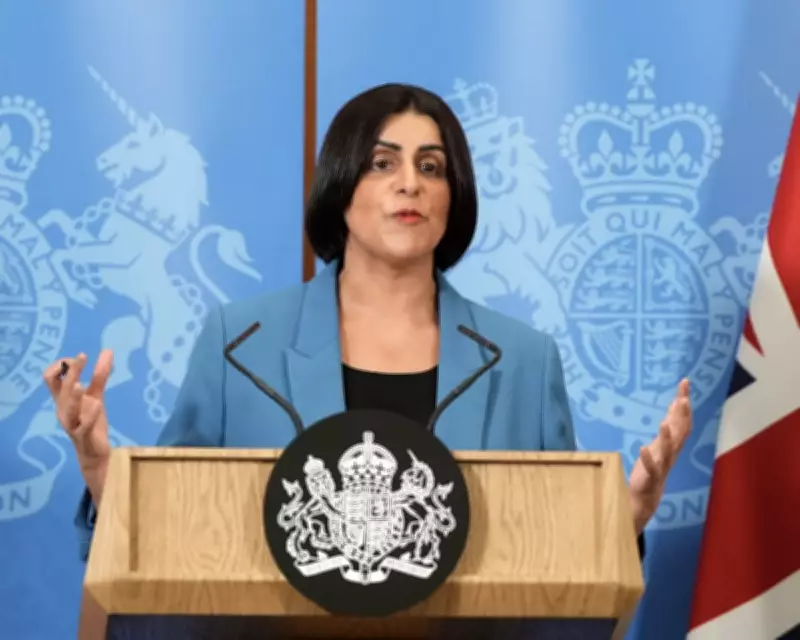
Home Secretary Mahmood Unveils Major Overhaul of UK Asylum System
In a significant move to address what the government describes as a broken immigration framework, Home Secretary Shabana Mahmood has announced a series of sweeping changes to both regular and irregular migration rules. These reforms, unveiled on Thursday, include doubling the time required for many migrants to gain settlement rights from five years to 10 years, with some potentially facing a 20-year wait. The overhaul aims to restore control over the system, though critics argue it may limit safe and legal routes for those fleeing conflict.
Temporary Refugee Status and 30-Month Reviews
Under the new regulations, refugees will no longer automatically receive indefinite leave to remain after five years. Instead, their protection status will be reviewed every 30 months. If their home country is deemed safe, the government can now initiate removal proceedings. This change, signed into law by Mahmood without a Commons vote, takes effect immediately. However, given ongoing conflicts in regions like Sudan, Eritrea, and the Middle East, many refugees are likely to continue qualifying for protection due to persistent dangers.
Visa Brake on Select Countries
Mahmood has temporarily halted new study visas for students from Cameroon, Sudan, Myanmar, and Afghanistan, as well as skilled worker visas from Afghanistan alone. Home Office officials cite high asylum claim rates from these visa holders and refusal by these countries to accept failed claimants as reasons for the action. Critics, however, point out that all four nations are plagued by conflict, war, or human rights abuses, suggesting the move shuts down crucial legal pathways for affected individuals.

Pilot Payments for Voluntary Returns
A new scheme offers up to £40,000 to 150 families of failed asylum seekers currently housed in hotels, encouraging voluntary return to their home countries. These families have been identified and given seven days to decide; if they decline, forcible removal will follow. Mahmood has indicated that force may be used against both adults and children who resist, though officials are consulting on implementation details. The government assures that families will not be returned to active war zones.
Removing Asylum Support and Work Permissions
The government is altering the law to eliminate its legal duty to financially support asylum seekers, cutting payments to those working illegally, convicted of crimes, or with independent means. While Mahmood is expanding job eligibility for asylum seekers whose claims remain undecided after 12 months through no fault of their own, the process to obtain Home Office work permission remains complex. Many lack the necessary skills and qualifications, limiting practical access to employment.
Extended Settlement Wait Times and Legislative Hurdles
Mahmood's plan to extend settlement waits to 10 years for many migrants, and up to 20 years for refugees and benefit recipients, is currently under consultation. Implementation may require a mix of primary and secondary legislation, potentially allowing Labour MPs to challenge the measures. This aspect of the reform highlights the political tensions surrounding immigration policy, as the government seeks to tighten controls while navigating parliamentary scrutiny.
These changes represent a bold attempt to reshape the UK's asylum landscape, balancing enforcement with humanitarian considerations, yet they spark debate over their impact on vulnerable populations and the broader immigration system.






