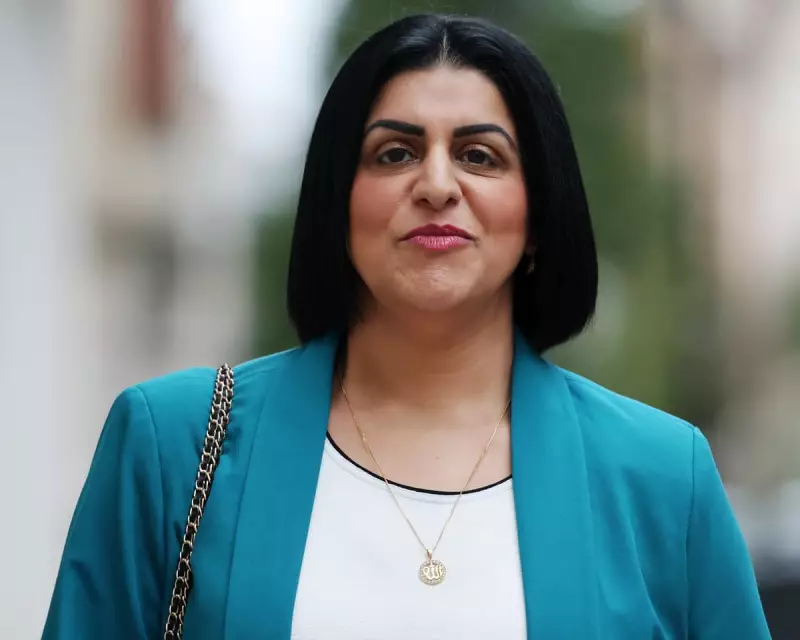
Home Secretary Shabana Mahmood has issued a stark warning to Labour MPs about "dark forces stirring up anger" over migration, as she prepares to unveil the most significant overhaul of refugee rights in a generation.
Controversial New Asylum Laws
On Monday, Mahmood will announce controversial legislation that will require refugees to have their status reassessed every two years, curb asylum appeals, and toughen the approach to rights to family life. The home secretary argued in a Guardian article that anger about illegal migration could potentially target second-generation immigrants like herself and damage community relations.
"I know that a country without secure borders is a less safe country for those who look like me," Mahmood wrote, while confirming that refugees would be liable for return if their home countries were no longer considered dangerous.

Growing Labour Unrest
The harshness of Mahmood's proposals has triggered significant unease among senior Labour aides and ministers, with at least one figure on resignation watch. Two sources expressed particular concern about plans to increase deportations of refugee families, including those with children.
Charities have warned the measures could create "another Windrush scandal" and leave refugees in near-permanent limbo. Enver Solomon of the Refugee Council stated: "These sweeping changes will mean that a child who is settled at school, studying hard for their GCSEs, will be uprooted and forcibly removed."
The government will legislate to toughen how courts apply the European Convention on Human Rights regarding family life, enabling more deportations of people with family members in the UK. Judges will be required to prioritise "public safety" over family rights.
New Legal Routes and Political Pressures
Mahmood will announce three "modest" safe routes for refugees from war-torn countries like Sudan, Palestine, and Eritrea to come legally as students, professionals, or through community sponsorship. However, even refugees arriving via these routes won't receive permanent settled status.
The home secretary defended her approach, stating: "Unless we act, we risk losing popular consent for having an asylum system at all." She emphasised the need to counter attacks from Reform UK and address public concerns about migration levels.
Other key measures include restricting asylum seekers to one single appeal, creating a new body for fast-tracking cases, joining other countries in seeking reform of ECHR Article 3 rights, and changing the Home Office's duty to provide support to asylum seekers to a discretionary power.
With almost 40,000 people having crossed the Channel in small boats this year and asylum applications reaching a record 111,084 in the year to June 2025, the political stakes remain high. While Mahmood has ruled out leaving the ECHR unlike the Conservatives and Reform UK, her proposals are likely to face significant legal challenges.