

Minneapolis Community Remains Tense as Federal Immigration Operations Continue
In the aftermath of recent fatal incidents involving federal immigration agents, Minneapolis finds itself grappling with persistent anxiety and uncertainty. Despite administrative changes within Immigration and Customs Enforcement (ICE) and public statements from the Trump administration about de-escalation, residents report that little has changed on the ground in their neighborhoods.
Administrative Changes Fail to Quell Community Concerns
The replacement of Gregory Bovino, the senior border patrol official initially overseeing immigration enforcement in Minnesota, with Tom Homan - Trump's former "border czar" - was presented as a potential turning point. Homan, who served as acting ICE director during Trump's first term, held meetings with Minnesota Governor Tim Walz and Minneapolis Mayor Jacob Frey, describing them as "productive starting points" in a social media post.
However, these diplomatic gestures have done little to reassure Minneapolis residents. Elizabeth, a south Minneapolis parent who requested anonymity for safety reasons, told reporters that "nothing has changed" since Bovino's departure. Her neighborhood communication channels continue to buzz with alerts about ICE sightings, and she recently received warnings about increased federal presence at local bus stops.

Persistent Operations Despite Presidential Promises
President Trump's claims that he would implement a "more relaxed" operation have rung hollow for many Minnesotans. Just days after what was described as cordial conversations with local officials, the president lashed out at Mayor Frey on social media, accusing him of "playing with fire" for maintaining that local police should not enforce federal immigration laws.
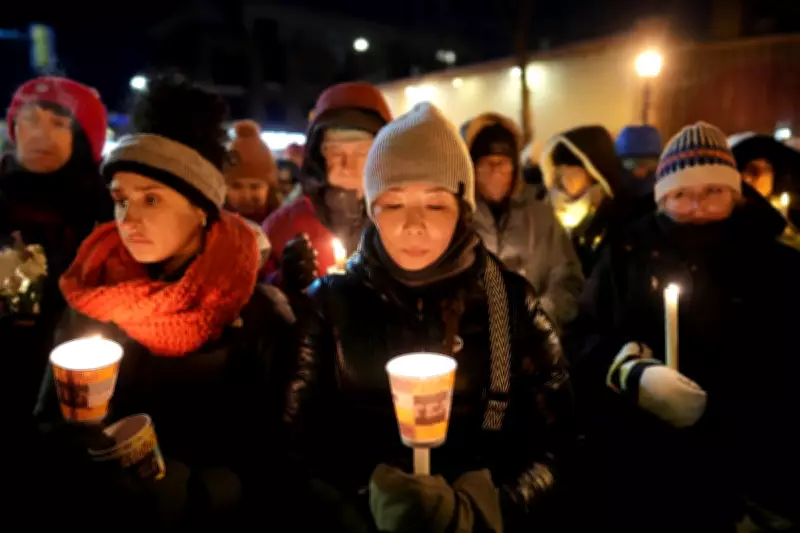
Attorney General Pam Bondi's announcement that sixteen people had been arrested in Minneapolis for allegedly assaulting federal officers and impeding law enforcement further underscored the ongoing tensions. Governor Walz, visiting a makeshift memorial for Alex Pretti - a 37-year-old ICU nurse killed in recent violence - stated bluntly that he had seen no evidence of ICE pulling back from Minnesota communities.
Widespread Community Impact Beyond Immigration Enforcement
The ripple effects of the ongoing federal presence extend far beyond immigration enforcement. Educational institutions across Minnesota report significant disruptions, with Brenda Lewis, superintendent of the Fridley public school district, expanding remote learning options for students too frightened to attend in person. "This is about children, predominantly children of color, being treated as less than human," Lewis stated during testimony at the state capitol.
In neighboring St. Paul, city council member Molly Coleman continues to take shifts watching for ICE agents at her son's daycare facility. She expressed concern about "false optimism" and warned that the community remains vigilant. "I don't think anybody in Minnesota is under any illusions that we are suddenly safer than we were this time last week," Coleman emphasized, noting the particular vulnerability of immigrants and people of color.
Political Climate Intensifies Local Tensions
The atmosphere of fear has extended to Minnesota's political landscape, with Democratic Congresswoman Ilhan Omar recently attacked while addressing constituents. Although lawmakers from both parties condemned the assault, President Trump responded with dismissive rhetoric, suggesting without evidence that Omar might have orchestrated the incident herself.
Omar directly attributed the hostile climate to the president's persistent focus on her background and political positions. "The facts of the situation are that I wouldn't be where I am today, having to pay for security ... if Donald Trump wasn't in office, and if he wasn't so obsessed with me," she stated in response to the incident.
Community Resilience Amid Ongoing Uncertainty
Despite the challenges, Minneapolis residents demonstrate remarkable solidarity. Elizabeth continues delivering groceries and transporting children to school for families too afraid to leave their homes, noting that some community members haven't ventured outside in seven to eight weeks, while others have fled the city entirely.

Yet hope for meaningful change from the current administration remains scarce. Elizabeth characterized the situation as dealing with a "bully" who won't withdraw from Minnesota for fear of appearing weak. "Right now, if they leave Minnesota, they lose," she observed, capturing the community's perception of the political dynamics at play.
As federal officials decline to disclose operational details for "security reasons," Minneapolis residents brace for continued uncertainty, their daily lives shaped by the persistent presence of immigration enforcement operations that show little sign of abating despite presidential promises of de-escalation.





