

Minnesota Prosecutor Launches Investigation into Federal Immigration Officers
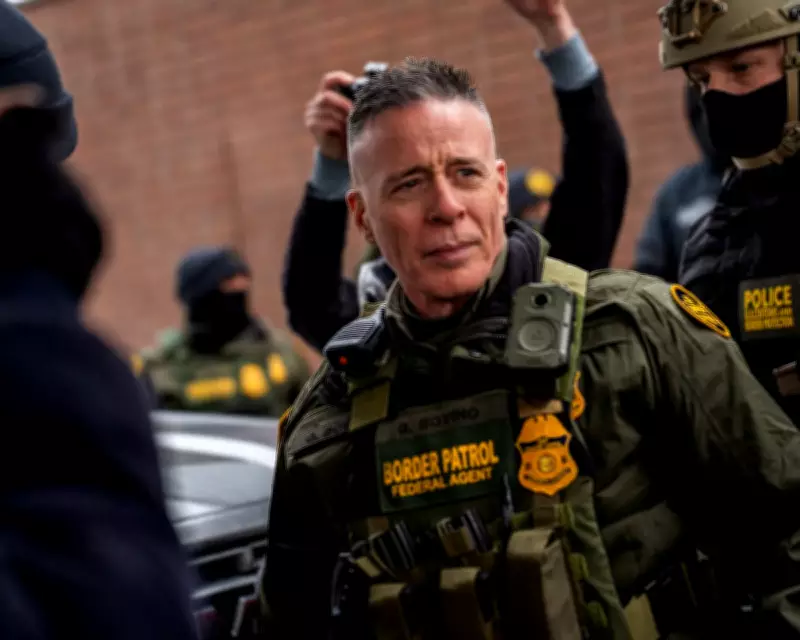
Hennepin County Attorney Mary Moriarty announced on Monday a significant investigation that could result in state charges against federal immigration officers, including prominent border patrol official Greg Bovino. The probe focuses on misconduct allegations during a recent immigration enforcement operation known as "Metro Surge," which has sparked nationwide criticism and protests.
Details of the Cases Under Scrutiny
Moriarty's office is currently examining 17 specific incidents, with a primary focus on events that occurred in January 2026. One notable case involves Greg Bovino, who allegedly threw a smoke canister at protesters in Minneapolis on January 21. Additionally, the investigation includes the shooting deaths of two U.S. citizens, 37-year-old Renee Good on January 7 and Alex Pretti on January 24, both killed by federal agents during the crackdown.
Another incident under review took place on January 7, when federal officers made an arrest outside a high school and deployed chemical irritants while students and staff were present in the area. Moriarty expressed strong confidence that her office will be able to pursue charges in these cases, emphasizing the community harm caused by Operation Metro Surge.

Federal Response and Legal Challenges
The Department of Homeland Security (DHS) issued a statement on Monday night asserting that immigration enforcement is a federal responsibility and that states lack the authority to prosecute federal officers acting within their official duties. The DHS claimed that such state actions are unlawful and that federal officials are immune from liability under state law. The statement further urged local officials to consider how their actions might endanger federal law enforcement personnel.
Greg Bovino, a key figure in Trump administration immigration operations known for aggressive tactics in cities like Minneapolis-St. Paul, Chicago, and Los Angeles, did not immediately respond to requests for comment. In Chicago, his methods included frequent use of chemical irritants in residential areas, leading to a court order for him to wear a body camera and appear daily in court, though this order was later overturned.
Scope and Implications of the Investigation
Moriarty's investigation will concentrate solely on incidents within Hennepin County, which encompasses Minneapolis and its suburbs, despite federal enforcement activities occurring throughout the Twin Cities region. She has threatened to sue the federal government if evidence requests for the Good and Pretti cases are not fulfilled by Tuesday, highlighting potential obstructions from federal agencies.
Rachel Moran, a criminal law and policing professor at the University of St. Thomas School of Law, noted that prosecutors are likely examining potential charges such as assault or property damage for actions like unjustified use of chemical weapons or physical altercations. Moran emphasized the need to determine whether agents acted unlawfully outside their authorized duties.
Broader Context and Future Outlook
The Justice Department has opened a civil rights inquiry into Pretti's death but found no basis for a similar investigation into Good's death, with the FBI restricting state access to evidence in her case. Mark Osler, a former director under Moriarty and current law professor, highlighted the investigation's role in truth-telling and providing clarity beyond initial video footage.
Moriarty's office has established an online portal for the public to submit photos, videos, and eyewitness accounts related to Operation Metro Surge, underscoring a commitment to transparency and accountability. While legal hurdles remain, this probe represents a bold move to address alleged abuses in federal immigration enforcement practices.






