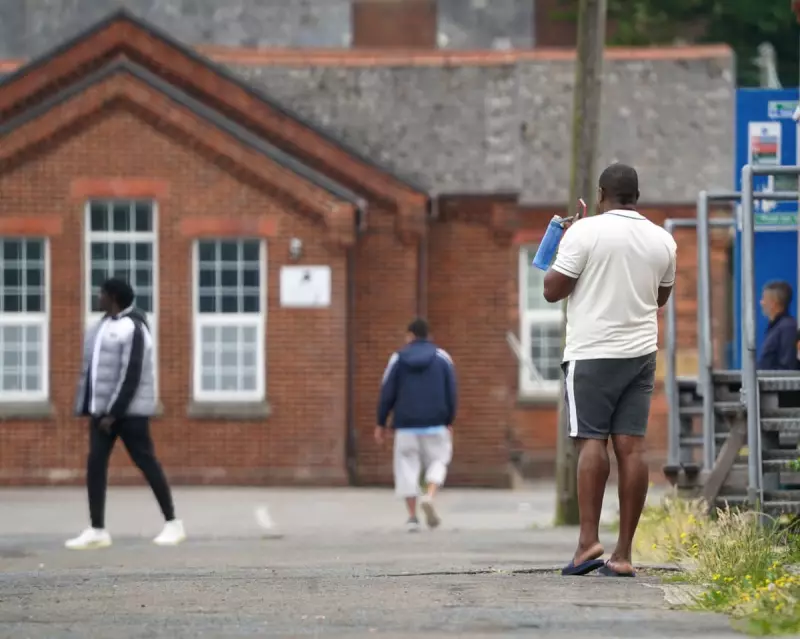
The UK's first and longest-serving military barracks used to accommodate asylum seekers has officially closed its doors, ending a controversial and troubled six-year chapter.
A History of Controversy and Poor Conditions
Napier barracks in Folkestone opened in September 2020, alongside a similar facility in Penally, Pembrokeshire. While Penally shut after a few months, Napier remained operational, housing around 400 men at a time. The site quickly became synonymous with problems, from far-right protests and fires to hunger strikes and a damning High Court ruling.
The court found the barracks failed to meet minimum safeguarding standards, a concern so severe it prompted Kent County Council to launch its own inquiry. Conditions were particularly dire during the Covid-19 pandemic, when a mass outbreak infected approximately 200 residents—half of the site's population at the time.

Men were forced to sleep in crowded dormitories, and some, terrified of catching the virus, chose to sleep outside in sub-zero temperatures. Early on, residents faced a lack of drinking water and furniture salvaged from old stable blocks.
Mixed Emotions as the Gates Shut
For volunteers and support workers, the closure brings complex feelings. Sally Hough, who ran the Napier drop-in centre, described it as a "day of very mixed emotions." She acknowledged the positive, life-changing community support that grew around the barracks but stressed the profound negative impact of the camp itself.
"The buildings, the shambolic management, have left their mark on those that stayed there," Hough said. She praised Folkestone's community for creating a "vital safe space" and noted that former residents often return to visit, a testament to the bonds formed.
Charities have welcomed the closure. Charlotte Khan, of Care4Calais, stated: "We can’t shy away from the trauma it has inflicted upon many... Former military sites are not suitable accommodation for refugees who have fled war, torture and persecution. They are re-traumatising." She urged the government to learn that people should be housed in communities, not camps.
Government Stance and Future of the Site
The closure comes amid a government push to move asylum seekers out of hotels and into what it deems more cost-effective, large-scale sites. A Home Office spokesperson expressed being "furious at the level of illegal migrants and asylum hotels" and reiterated the pledge to close all asylum hotels.
Initially, stays at Napier were indefinite, but following criticism, the Home Office introduced a 90-day limit, which residents said made their ordeal more bearable. The site will be handed back to the Ministry of Defence in January 2026 and is slated for redevelopment into houses and flats by Taylor Wimpey.
The final departure of residents from Napier barracks marks the end of a heavily criticised experiment in asylum accommodation, leaving a legacy of community resilience alongside significant institutional failure.