

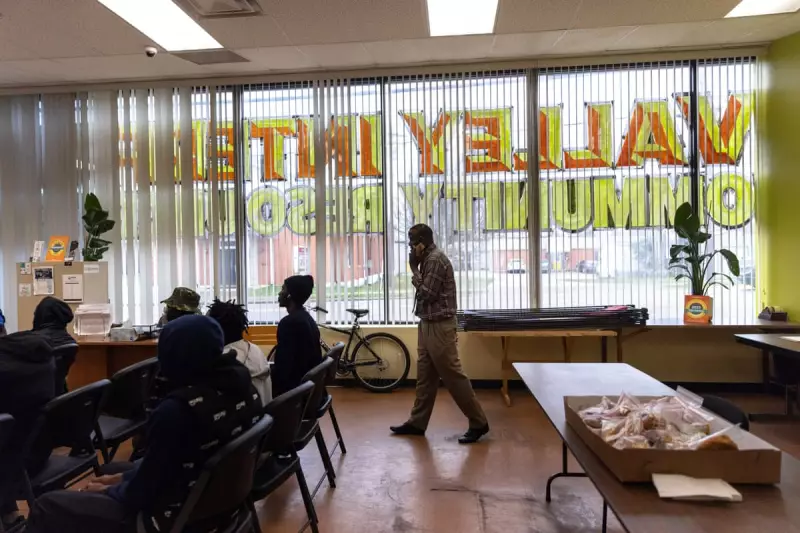
In a small village north of Cincinnati, Ohio, a burgeoning community of immigrants from the West African nation of Mauritania has built a new life, only to find it overshadowed by the looming threat of deportation back to a homeland where human rights abuses are rampant.
A Perilous Journey to a New Community
Musician Khalidou Sy vividly remembers the night his concert was shut down by police in Mauritania. He was jailed for five days after criticising the government's failure to provide reliable electricity. "Life in Mauritania was very rough. The country is very segregated and racism is very high," Sy states. In October 2023, he, his wife, and their infant child embarked on a dangerous 15-day journey to the United States. Their bus was robbed by an armed gang in Mexico, but Sy had hidden their money in the baby's nappy.
Now, two years later, the family is part of a growing group of Mauritanians who have settled in Lockland, Ohio. This community, one of the smallest immigrant groups in the US, has swelled in recent years. Thousands have undertaken an expensive and treacherous route via Turkey, Colombia, and the Darién Gap to cross the US-Mexico border and seek asylum.

Under the Shadow of Deportation
Their presence in Lockland has sparked criticism from right-wing media and drawn the attention of immigration authorities. Under the Trump administration's intensified enforcement, many now face the prospect of removal. There are currently more than 19,000 cases for Mauritanian nationals pending in US immigration courts, the second-highest number from any African nation. Since Donald Trump's inauguration on 20 January, Immigration and Customs Enforcement (ICE) has deported at least 90 people to Mauritania.
For many, deportation is a terrifying prospect. Mauritania was the last country in the world to abolish slavery, and the practice is thought to persist, with an estimated 149,000 people held in bondage. The nation is dominated by a minority Arab-Berber government, and Black populations, including many from the Fulani ethnic group, face systemic discrimination and abuse.
"I don't know any Black person who wants to live in a country that is very similar to South Africa during the apartheid era and where slavery is still a reality," says Amadou Ly of the Mauritanian Network for Human Rights in the US.
Strain and Solidarity in Lockland
The sudden influx of thousands of Mauritanians into the working-class village of Lockland has placed strain on local resources. Authorities reported issues with overcrowded housing, where up to 12 people were living in apartments designed for four, leading to complaints about water pressure and drains. Initially, without work permits, many newcomers were unable to pay income taxes that fund local services.
Yet, solidarity has also emerged. Vincent Wilson, interim president of Queen City Bike, runs a workshop that has provided bicycles to between 400 and 500 Mauritanian immigrants to help them navigate the city. "I started to notice that as I was riding my regular errands around town on my bike, I was seeing these men out and about in the community," Wilson explains.
Despite many now securing work permits and jobs in food processing and manufacturing, anxiety is pervasive. Sy, who applied for asylum over a year ago, lives with the fear that his next mandatory ICE check-in could end with his removal. "Anything can happen," he says. "I wish it would never happen, but you never know." The story of Lockland's Mauritanian community remains one of fragile hope, caught between the promise of a new beginning and the harsh politics of immigration enforcement.






