

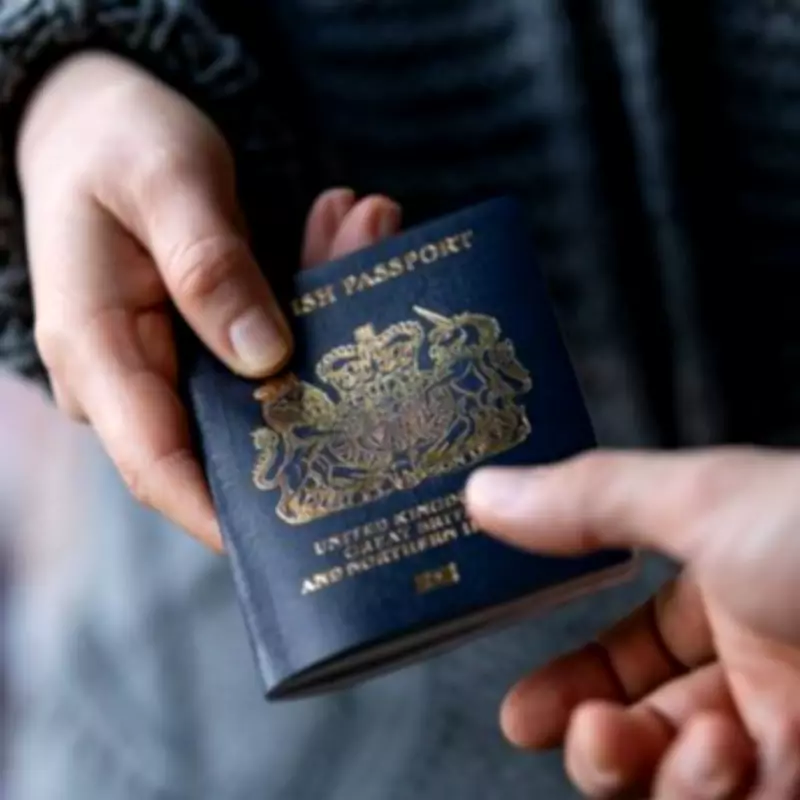
The Home Office has unveiled a significant alteration to travel regulations that will impact over 1.2 million British citizens holding dual nationality. This major rule change is scheduled to take effect from 25 February 2026, requiring affected individuals to present specific documentation when entering the United Kingdom.
New Documentation Requirements for Dual Nationals
Recent statistics indicate that approximately 1.26 million UK residents possess dual nationality. From the specified date in late February 2026, these individuals must present either a valid British passport or a Certificate of Entitlement when arriving in the UK. The Home Office has explicitly warned that airlines will be conducting thorough checks to ensure passengers possess the correct documentation before permitting them to board flights destined for Britain.
This regulatory adjustment forms part of broader updates to the Electronic Travel Authorisation (ETA) system, which applies to visitors who do not require a visa for short stays of up to six months and lack existing UK immigration status. Notably, from February 2025, eligible travellers attempting to enter without an ETA will face boarding refusal and will be unable to travel legally to the United Kingdom.

Official Guidance and Border Security Implications
In an official statement shared on social media platforms, the Home Office clarified: "For dual citizens returning home to the UK. From 25 February 2026, you will need a valid British passport or Certificate of Entitlement to travel to the UK. Airlines will verify you have permission to travel before departure. This change supports the UK's transition to digital travel permissions and enhances border security measures."
Travel authority Simon Calder has characterised these forthcoming changes as "extremely significant." In detailed commentary, he explained: "If you happen to be a dual national, meaning you're fortunate enough to hold citizenship of both the UK and another country, there's a very substantial alteration to passport regulations occurring on 25 February."
Practical Implications for British Citizens Abroad
Calder elaborated on the practical consequences: "Currently, suppose you're a British citizen who chooses to reside overseas. You possess a foreign passport. You're perfectly entitled with that document to enter and exit the UK for short visits to see family, for tourism, or for business purposes. However, from 25 February, that situation will change completely."
The travel expert noted that dual nationals might mistakenly assume they're exempt from requiring documentation like an ETA for UK entry, but this isn't accurate. He clarified: "From that date, everyone who isn't British or Irish must obtain an Electronic Travel Authorisation to visit the UK. You might think, 'That's fine, I have a French, American, or Australian passport; I'll simply secure my ETA through that.' But caution is advised."
Certificate Costs and Alternative Documentation
Calder further explained: "The British government states that if you hold British citizenship—whether through birth here followed by relocation abroad, or through descent—you must possess one of two documents for legal travel to the UK: Ideally, this would be a British passport. If you don't have one, I strongly recommend obtaining one promptly."
He issued a warning regarding the substantial expense associated with the alternative certificate: "Alternatively, it could be a Certificate of Right of Abode in the UK. However, since this will cost nearly £600 and expires when your foreign passport does, I urge you to attempt to secure a British passport if you plan to travel to the UK in the near future."
Possessing the right of abode grants individuals permission to live and work in the UK without immigration restrictions. Those with this right don't require a visa or ETA for British entry, and there are no limitations on their length of stay.






