

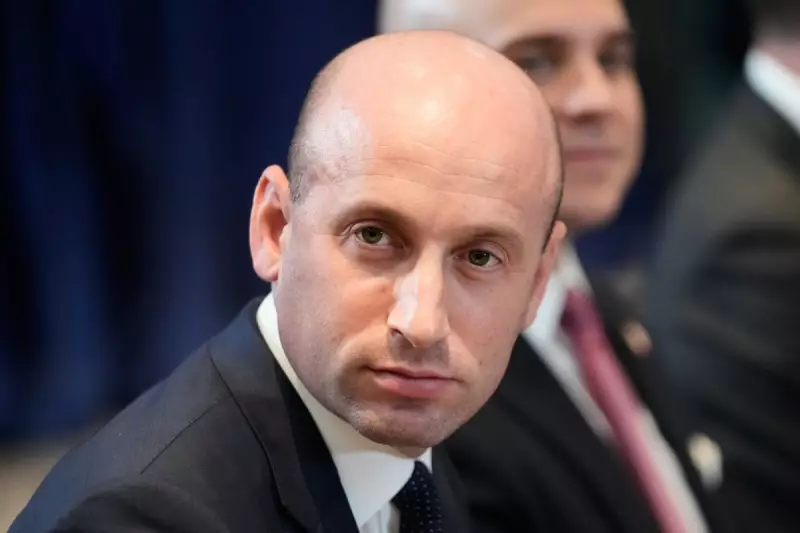
To grasp the current and future trajectory of the United States, look beyond Donald Trump himself. The critical figure shaping the nation's most controversial policies is often his deputy chief of staff, Stephen Miller. Described by some Trump aides as 'the prime minister' due to his sweeping influence, Miller is the architect behind an array of hardline domestic and foreign strategies.
The Architect of Hardline Policies
Miller's impact is pervasive. He is widely identified as the mastermind behind the policy of separating immigrant families at the US-Mexico border during Trump's first term. His reach extends to aggressive immigration enforcement tactics, plots to end birthright citizenship, and campaigns to reshape university culture. On the international stage, he reportedly assisted in planning the attempted capture of Venezuelan President Nicolás Maduro. For many of the administration's most shocking directives, the path leads back to Miller.
A Long-Standing Zealot's Ascent
Unlike some political figures who shift their views, the 40-year-old Miller has been a consistent ideologue. His hardline stance dates back to his youth; a former high-school classmate recounted that a teenage Miller ended their friendship due to the classmate's Latino heritage. Miller also reportedly complained about Spanish being spoken at school. His political rise began in earnest in 2013 as an aide to Senator Jeff Sessions, where he fought against bipartisan immigration reform. His fervent anti-immigration views even became a bonding point with his future wife, Katie Waldman, then an immigration spokesperson.

The Man Behind the Mayonnaise
Beyond the political machinations, personal quirks offer a revealing glimpse. In her podcast, Katie Miller portrayed her husband as an ardent lover of mayonnaise, a detail that underscores a crucial point. While Stephen Miller wields extraordinary power and promotes a brutish vision for America, he remains a mere mortal—a man with questionable tastes and grease-stained t-shirts. This is not to humanise him, but to provide perspective. Figures like Miller crave fear and project an image of unassailable strength. Laughing at their absurdities is a potent form of resistance, something thin-skinned authoritarians despise.
Ultimately, the lesson is clear: worry about Stephen Miller's actions and the damage they cause, but never grant him the mythic status he seeks. Amid the trappings of power, he is, at his core, a pathetic figure—one dangerously obsessed with remaking a nation in his own narrow image.






