

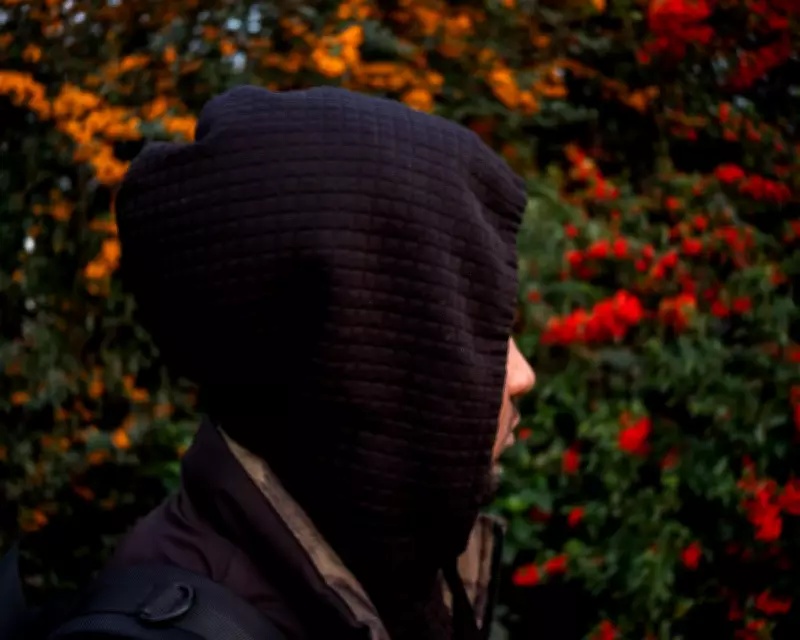
Teen Refugee Forced to Sleep on London Streets After Secret Home Office Eviction Rule
A teenage refugee has endured a brutal winter sleeping rough on London streets after being evicted from Home Office accommodation, falling victim to unpublished "secret" rules that failed to protect vulnerable individuals. The 19-year-old Eritrean, who fled forced labor in Libya before being granted refugee status in August, was left with only his jacket for warmth after his eviction.
High Court Challenge Reveals Systemic Failures
The shocking case emerged during a high court challenge brought by five refugees at risk of street homelessness due to the Home Office's 28-day move-on period policy. While rules technically allow for extensions for those facing imminent rough sleeping, internal guidance used by contractor Migrant Help failed to implement this discretion properly.
The teenager was evicted from his north London hotel accommodation without proper notice and despite repeatedly asking the local council for housing assistance, he was refused support. He ended up sleeping under a bush near Willesden Junction station, where he suffered two separate assaults now being investigated by Metropolitan Police.

"I'm Alone in This World"
The young refugee described his harrowing experience: "I'm alone in this world. I have no brother, no sister, no mother. My most important thing is my safety. I've given up on the whole world." His situation highlights the human cost of bureaucratic failures in the asylum system.
During legal proceedings, it was revealed that the Home Office had been operating with unpublished guidance that didn't properly account for their discretion to extend accommodation. In court documents, the department cited operating in a "febrile political context" and concerns about opening more hotels as reasons for their approach.
Legal Settlement Brings Policy Changes
The high court challenge has now been settled with significant protections strengthened for refugees at risk of homelessness. A court order confirms that the Home Office must now inform refugees in writing when they receive eviction notices about the possibility of extensions if they face street homelessness.
The order specifically noted that "inaccurate statements verified by statements of truth were made ... denying the existence or application of unpublished guidance concerning extensions and reinstatements of asylum support."
Broader Context of Hotel Evacuations
This case unfolds against the backdrop of the Home Office's commitment to empty asylum hotels by the end of the current parliamentary term. The department has long faced criticism over conditions in these accommodations, with reports of rats, overcrowding and malnutrition being common.
An average of 1,100 asylum seekers leave hotels each week after being granted leave to remain, creating pressure on local housing systems. The hotels have also become flashpoints for anti-migrant protests across the country.
Legal and Political Reactions
Ahmed Aydeed, a lawyer at Deighton Pierce Glynn representing the five refugees, stated: "We're grateful the home secretary will finally stop behaving like a rogue landlord evicting people on short notice into street homelessness. This was cruel, irresponsible and wasted taxpayers' money."
A government spokesperson maintained that "our approach is unchanged" while acknowledging strengthened guidance for caseworkers. Migrant Help emphasized that all their guidance is approved by the Home Office and that they don't make decisions on asylum support.
The teenage refugee who slept under the bush has now secured accommodation, but his experience exposes systemic failures that put vulnerable refugees at risk of homelessness and violence on London streets.






