

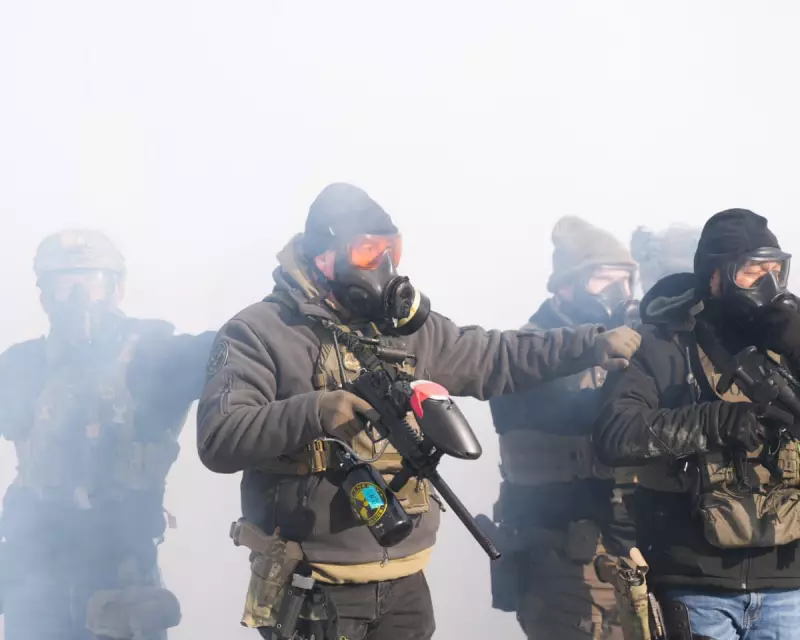
Federal agents in Minneapolis have been attempting to manage escalating crowds following a fatal shooting by a federal agent on Saturday, an incident that has intensified scrutiny over law enforcement practices. This event comes amid revelations that the Trump administration has actively worked to reduce funding for body cameras used by Immigration and Customs Enforcement (ICE) officers and cut back on oversight staffing, moves that critics argue undermine accountability.
Body Camera Program Stalled Under Trump
The Trump administration opposed efforts last year to expand the use of body cameras by immigration agents, urging Congress to cut funding for a pilot program by 75%. This decision bucks a nationwide trend towards increased use of cameras in law enforcement, which are seen as crucial for transparency and police reform. Footage from bystanders of recent fatal shootings, including that of ICU nurse Alex Pretti, has highlighted the importance of video evidence in challenging official accounts that often portray victims as aggressors.
Oversight Staffing Sharply Reduced
In early 2025, the administration placed nearly all staffers from three internal watchdogs overseeing immigration agencies on paid leave, severely hampering their ability to investigate abuses. This reduction has left offices like the Office of the Immigration Detention Ombudsman (OIDO) with only a handful of employees, down from over a hundred, raising concerns about the handling of complaints and allegations of misconduct.

Political Reactions and Funding Battles
The shooting in Minneapolis has galvanized some Democratic senators, who are now threatening to oppose a spending bill for the Department of Homeland Security unless it includes measures to rein in immigration enforcement. Meanwhile, a recent House bill provided $20 million for ICE and border patrol cameras but did not mandate their use, leaving implementation uncertain as the legislation faces challenges in the Senate.
Impact on Federal Operations
Despite the pilot program launched in 2024 under the Biden administration, which deployed cameras in cities like Baltimore and Detroit, the Trump administration has called for freezing its expansion. Proposals include cutting staff from 22 to three employees and maintaining only 4,200 cameras for approximately 22,000 ICE officers, a move that critics say limits accountability as agents are surged to cities nationwide.
As federal agents continue to operate in Minneapolis and other urban areas, the debate over body cameras and oversight reflects broader tensions in US politics, with implications for immigration policy and law enforcement transparency.






