

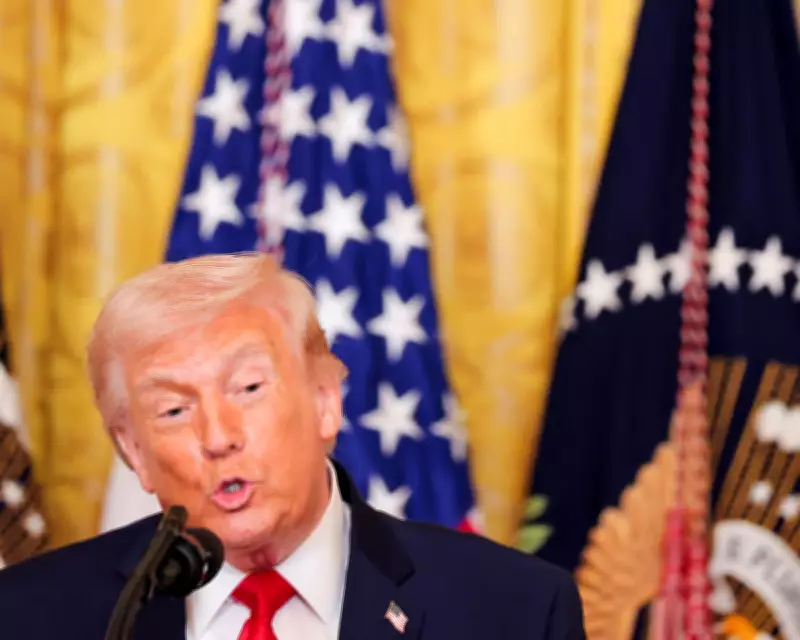
Former President Donald Trump's immigration and voter ID policies are facing fresh scrutiny in the wake of escalating tensions with Iran, with analysts and political observers examining the potential implications for national security and electoral integrity. The renewed focus comes as Trump continues to advocate for stricter border controls and voter identification requirements, measures that have sparked debate across the political spectrum.
Immigration Policy Under the Microscope
Trump's immigration proposals, which include enhanced border security and restrictions on entry from certain countries, are being reevaluated in light of the current geopolitical climate. Critics argue that these policies could strain diplomatic relations and complicate international cooperation, particularly with nations like Iran. Supporters, however, contend that such measures are essential for protecting national interests and preventing security threats.
Voter ID Measures and Electoral Concerns
Simultaneously, Trump's push for voter ID laws is drawing attention as concerns about election security persist. Proponents assert that these laws are necessary to prevent fraud and ensure fair elections, while opponents warn they could disenfranchise eligible voters and undermine democratic processes. The debate intensifies as the 2026 political landscape evolves, with both sides preparing for potential legal and legislative battles.

Iran Tensions Add Complexity
The backdrop of rising tensions with Iran adds a layer of complexity to these domestic policy discussions. Military and diplomatic experts suggest that Trump's hardline stance on immigration and voter ID could influence U.S. foreign policy, potentially affecting alliances and global stability. As news updates continue to emerge, stakeholders are closely monitoring how these interconnected issues unfold.
In summary, Donald Trump's immigration and voter ID policies are at the center of a multifaceted debate, with Iran tensions amplifying the stakes. The outcome could have lasting effects on U.S. security, elections, and international relations, making this a critical topic for ongoing analysis and public discourse.






