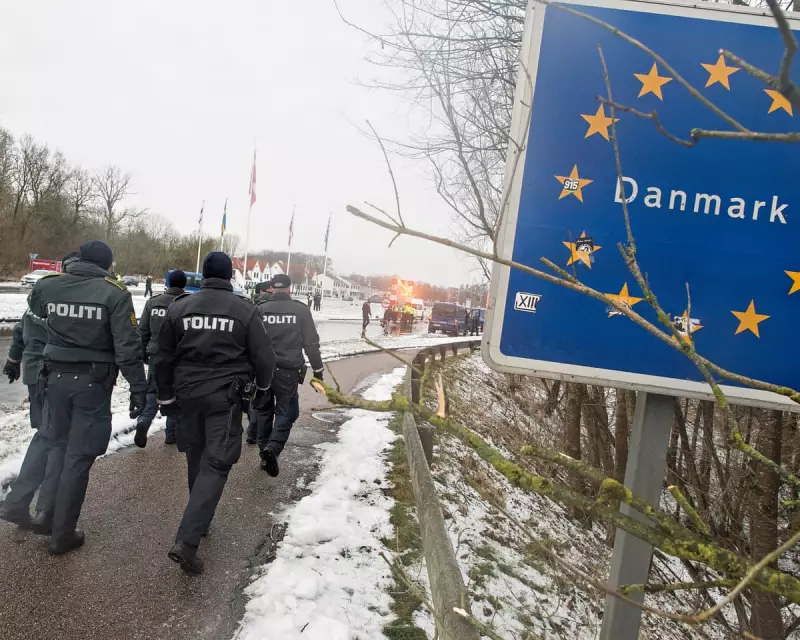
The UK's new Labour government is actively exploring the adoption of Denmark's hardline asylum model, a system that has dramatically cut refugee numbers but attracted significant international condemnation for its stringent approach.
The Mechanics of Deterrence
At the heart of Denmark's strategy lies the principle of impermanence. A pivotal change in 2015, introduced under then-Prime Minister Lars Løkke Rasmussen, saw the automatic granting of permanent residence scrapped. Instead, refugees now receive temporary permits valid for just one to two years at a time.
To qualify for permanent status, refugees must achieve fluency in Danish and maintain full-time employment for several consecutive years. Michala Clante Bendixen of Refugees Welcome Denmark describes this as creating a feeling of being a 'temporary visitor,' where even a minor infraction like a speeding ticket can delay permanent settlement for years.

The Impact on Asylum Numbers
The policy's intended effect has been stark. In 2014, Denmark received 14,792 asylum seekers, primarily from Syria and Eritrea. By 2021, this figure had plummeted to just 2,099, rising slightly to 2,333 in 2024. Of nearly 100,000 residence permits granted last year, a mere 1% were for refugees.
This reduction aligns with the ambition of Social Democratic Prime Minister Mette Frederiksen, who came to power in 2019 vowing to reduce asylum seeker numbers to 'zero'. Her government has doubled down on a rhetoric of repatriation over integration.
Controversial Policies and International Backlash
Denmark's methods have not gone unchallenged. The UN High Commissioner for Refugees has repeatedly criticised its asylum practices. Most controversial is the 'parallel societies' law, formerly known as the 'ghetto' law.
This legislation allows the state to demolish housing in areas where at least half the residents have a 'non-western' background. In a significant ruling, a senior adviser to the EU's top court found in February that this law constitutes direct discrimination based on ethnic origin.
Critics argue these policies have damaged Denmark's international reputation and core values. Rune Lykkeberg, editor-in-chief of the newspaper Information, suggests the centre-left's adoption of populist right-wing ideas has led to 'extremism in the centre,' undermining the defence of human rights.
The domestic debate has grown even more extreme, with the far-right Danish People's party now advocating for 'remigration' – the mass deportation of people with immigrant backgrounds.
The Human Cost and Political Dilemma
On the ground, the policies create a contradictory reality. Eva Singer of the Danish Refugee Council notes the frustration of municipalities who must simultaneously push for integration while reminding refugees of their temporary status. Bendixen calls the temporary nature 'poison for integration,' as it prevents people from putting down roots.
However, Martin Lidegaard, Denmark's former foreign minister, believes some elements, like helping new arrivals access education and work, are worth emulating. He highlights a broader European dilemma: ageing populations desperately need labour, yet populist forces resist immigration.
As the UK considers this path, it faces a fundamental question: can it achieve Denmark's numerical success without sacrificing its values and exacerbating labour shortages in an ageing economy?