

UK Politicians' Race to the Bottom on Refugee Policy
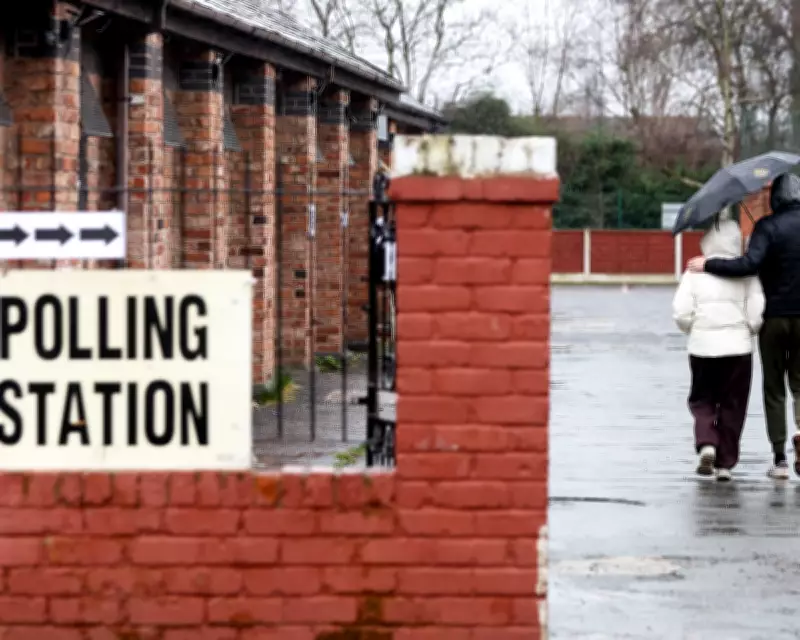
In the aftermath of the Gorton and Denton byelection, UK political discourse has descended into what columnist Zoe Williams describes as a "race to the bottom" on immigration and refugee issues. The controversy began when Nigel Farage expressed concerns about "sectarian voting and cheating" after his Reform party's loss, alleging improper voting practices within specific communities.
The Family Voting Controversy
Farage's complaints focused on "family voting," where one family member supposedly influences others' votes. While volunteer polling observers reported witnessing this in approximately 12% of cases, the definition remains unclear. Williams humorously recounts her own experience with family pressure during the 1997 election when her mother insisted she vote Labour instead of spoiling her ballot.
The discussion took a troubling turn when Business Secretary Kemi Badenoch blamed the election outcome on what she called "the monster of harvesting Muslim community bloc votes." This language, Williams notes, combines supernatural imagery with industrial metaphors to create a frightening narrative about Muslim voting patterns.

Labour's Proposed Policy Shift
Meanwhile, Home Secretary Shabana Mahmood has proposed what would be the biggest legislative change for asylum seekers in a generation. The Labour plan would make refugee status temporary, requiring renewal every 30 months. If refugees' home countries become safer during that period, they would face potential return.
Williams observes that "just eyeballing the world at large, I don't see anywhere getting any safer" and questions whether Mahmood's proposals will gain support within her own party, where many view them as "Farage-lite posturing" contrary to Labour's traditional values.
A Radical Solution: Votes for Refugees
Williams proposes a counterintuitive solution that initially seemed "kooky" when she first heard it from European feminists: granting voting rights to refugees. She argues that "Can that person vote?" has become the only language many politicians understand, creating a ready-made out-group of non-voters that politicians can target without consequence.
The columnist notes that Islamophobia and anti-immigration arguments have become the primary currency in political discourse, making case-by-case appeals for humanity ineffective. Instead, she advocates for fighting to make everyone "a person again" in political discussions by ensuring refugees have voting rights.
The Endless Race
Williams describes the current political competition as "unique among races" because no one knows where the finish line is. Just when politicians think they've reached the limit of restrictive rhetoric, someone proposes stripping voting rights from mosque visitors, forcing everyone to continue running toward ever more extreme positions.
For spectators, Williams concludes, this race to the bottom is "absolutely nauseating to watch" as politicians compete to demonstrate who can be toughest on some of society's most vulnerable members while ignoring practical solutions that would recognize refugees' humanity and integrate them into democratic processes.






