

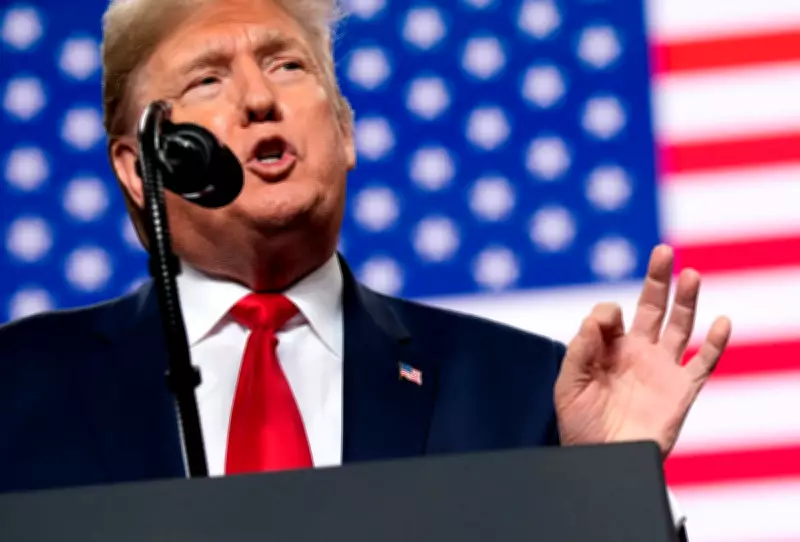
A United Nations watchdog has issued a stark warning, declaring that the "racist hate speech" employed by Donald Trump and other U.S. political leaders, combined with intensified crackdowns on migration, has resulted in "grave human rights violations." In a non-binding decision released this week, the UN's Committee on the Elimination of Racial Discrimination (CERD) urged the United States to adhere to its obligations under the international convention against racism and discrimination.
Dehumanizing Language and Its Consequences
The panel of 18 independent experts expressed deep disturbance over the escalating use of derogatory and dehumanizing language, along with harmful stereotypes, directed at migrants, including refugees and asylum seekers. They highlighted that portraying these individuals as criminals or burdens, particularly by high-level politicians such as the president, may incite racial discrimination and hate crimes. This marks an unprecedented focus on comments made by a U.S. president, underscoring the severity of the situation.
Trump has consistently attempted to blame immigrants for crime, despite comprehensive statistics demonstrating that immigrants not only bolster the U.S. economy but also commit crimes at significantly lower rates than native-born Americans. This discrepancy between rhetoric and reality has fueled concerns among human rights advocates.

Systematic Violations and Enforcement Actions
The five-page decision detailed widespread issues with measures implemented by the Trump administration to address migration. These include the "systematic use of racial profiling" by Immigration and Customs Enforcement (ICE) and border patrol agents, as well as reports of "discriminatory, dangerous and violent methods" linked to at least eight deaths since January 2026. In Minneapolis, where federal immigration agents were deployed earlier this year, the panel identified a "pattern of serious human rights violations."
Specifically, the deaths of Alex Pretti and Renee Good, who were shot by federal agents during separate incidents in the city, could amount to "gross violations of international human rights law" and potentially constitute extrajudicial killings of peaceful protesters. The panel emphasized the alarming nature of these events.
Surge in Detentions and Deportations
The committee reported being deeply concerned by the "drastic increase" in migrant detentions, which rose from nearly 40,000 in late 2024 to approximately 73,000 at the start of this year. Since Trump resumed power in January 2025, at least 675,000 people have been deported, and the administration has moved to strip legal status from hundreds of thousands of immigrants legally residing in the U.S.
Additionally, reports of individuals held in "inhumane conditions" and receiving "inadequate medical care" have raised alarms, with at least 29 migrants dying in these facilities last year and six in January of this year. The panel's decision was prompted by a request from the American Civil Liberties Union to assess potential rights violations in the administration's crackdown in Minnesota.
Historical Context and White House Response
While previous U.S. administrations, including those led by Barack Obama and Joe Biden, have faced criticism from the panel, none were singled out for their rhetoric in the same manner as Trump. This UN-backed body specifically cited Trump's speech as problematic, highlighting a unique focus on his language.
In response, a White House spokesperson dismissed the report, citing Trump's efforts to secure the country's borders. Olivia Wales stated, "This United Nations assessment is just as useless as their broken escalator, and their extreme bias continues to prove why no one takes them seriously." She added, "No one cares what the biased United Nations' so-called 'experts' think, because Americans are living in a safer, stronger country than ever before."
The ongoing debate underscores the tension between immigration enforcement policies and international human rights standards, with the UN's findings adding to global scrutiny of U.S. actions under the current administration.






