Beyond Headlines: The Unseen Kindness and Community Bonds on the Bibby Stockholm Barge
While the Bibby Stockholm barge, moored off Portland in Dorset to accommodate asylum seekers, garnered widespread negative attention—from evacuations due to legionella bacteria to tragic suicides and far-right protests—a new photo exhibition unveils a lesser-known narrative of resilience and human connection. Bibby Boys, launching this week, documents the intertwined lives of the asylum seekers and the local community that rallied around them, highlighting enduring friendships that persist long after the last group left the vessel in November 2024.
A Community's Response to Division
The barge, described by Amnesty International as reminiscent of Victorian-era prison hulks, opened on August 7, 2023, as part of government efforts to reduce reliance on hotel accommodations for asylum seekers. Its remote location on a peninsula connected by a single road intensified feelings of isolation and punishment for the men, who had no choice in their residence. This setting sparked division locally, with far-right groups like Patriotic Alternative attempting to fuel discord from outside the area.
In response, many Portland residents formed the Portland Global Friendship Group (PGFG), shifting the local slogan from "Keeping Portland Weird" to "Keeping Portland Kind." Giovanna Lewis, a local councillor and PGFG member, explained, "We felt these are human beings on our island. We ought to be reaching out to them as we would to any stranger. It almost felt like a civil and moral humanitarian duty." Despite facing hate from anti-migrant activists, the group organized activities such as running clubs, gardening projects, and community clean-ups, fostering a sense of belonging.

Personal Stories of Hope and Resilience
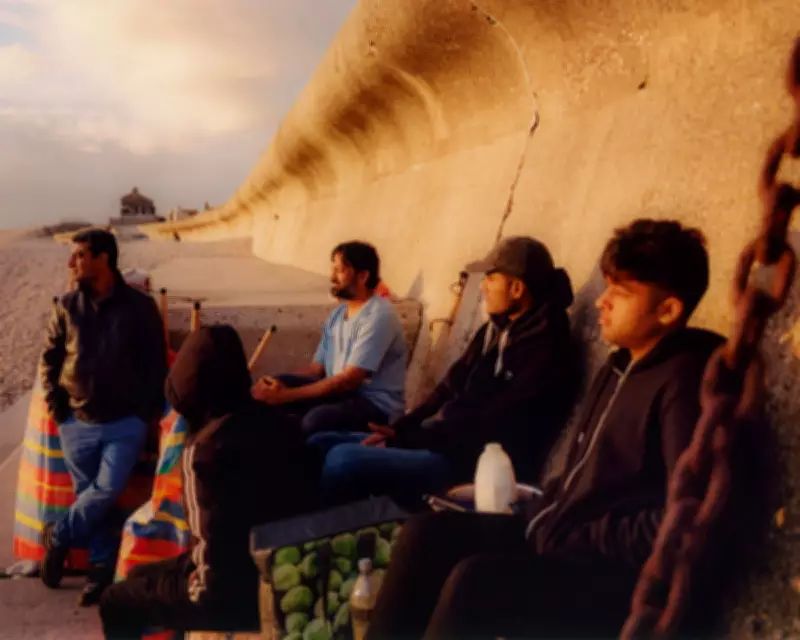
The exhibition captures intimate moments, from fishing trips where men caught mackerel and cooked on Chesil Beach to shared BBQs in Weston. Azad, an Iranian former barge dweller now with leave to remain and working in Sheffield, reflected, "The friendship group were like angels to us. The barge was a prison for us, a time in our lives when we were living in hell. I have promised that one day I will go back to Portland, not as an asylum seeker but as a tourist. The group saved our lives."
Balach, from Pakistan, also granted leave to remain and now living in London, added, "I am now in my second year of working and paying my taxes. At the moment I’m working as a kitchen porter. I often ask myself why these amazing, special people always supported us. They showed us so much positivity." James, a Maasai from Kenya fleeing persecution for opposing female genital mutilation, shared how gardening with the group allowed him to grow familiar crops like tomatoes and potatoes, providing solace during a stressful period marked by depression and uncertainty over his asylum appeal.
Legacy of Connection and Future Implications
Laney White of PGFG noted, "It was so dispiriting seeing all the negativity about the men on the barge at the beginning. For us, it was a wholly positive experience." Members like Lucy Hardwicke described the interactions as a "fantastic community experience," with asylum seekers contributing skills, such as carpentry to repair a local church. Giovanna Lewis affirmed, "If something like this happened again, we would do it again," underscoring the lasting impact of these bonds.
Bibby Boys, by photographers Theo McInnes and Thomas Ralph, opens at Photofusion in Brixton, London, from March 17 to April 4, with free admission. This exhibition serves as a powerful testament to the men's enduring spirit and the transformative power of community kindness in the face of adversity.