

India's Scattered Workforce: Chatbot Keeps Families Connected During Crises
The Covid-19 pandemic starkly revealed the critical lack of data on India's estimated 140 million mobile migrant workers, leading to delayed aid and coordination failures. In response, a pioneering project in Odisha is leveraging technology to fill these gaps and enhance emergency support.
Addressing Data Gaps with Digital Innovation
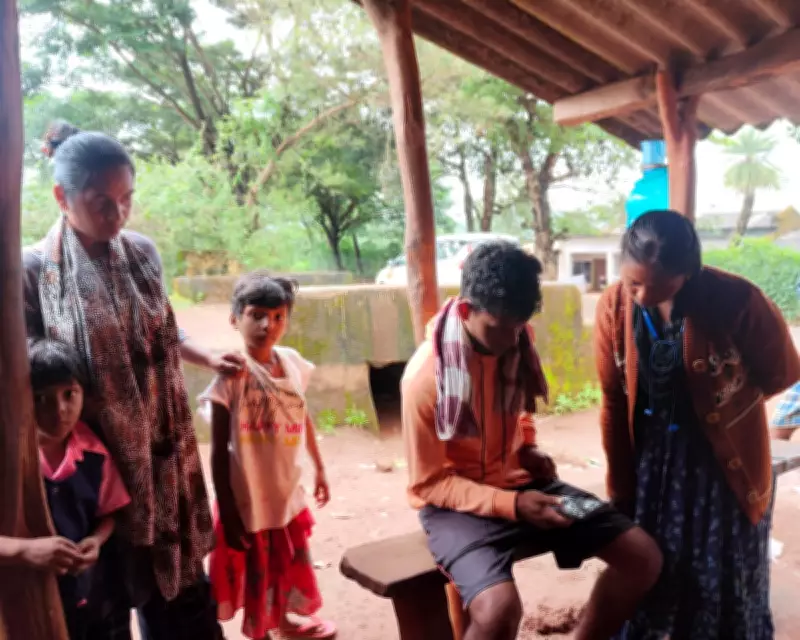
Raja Pradhan, a migrant worker from Petumaha village in Kandhamal district, initially hesitated when a green WhatsApp message popped up on his phone. The chatbot, named Bandhu (meaning "friend" in Hindi), requested his details for registration. "I was unsure where this information would go or if it could be misused," Raja recalls. Fieldworker Subhalata Pradhan from the nonprofit Gram Vikas reassured him, explaining that the data is solely for emergency assistance and family updates, not public sharing.
India's migrant workforce, largely undocumented, faces significant challenges during disasters. During the pandemic, over a million workers returned to Odisha, but authorities struggled without reliable data on their origins or destinations. This issue extends beyond health crises; more than 400 migrant workers from Odisha have died in other states over nine years, yet local administrations lack precise location tracking.

How Bandhu Chatbot Works
Gram Vikas has rolled out the Bandhu chatbot across 620 villages in Odisha, one of India's poorest and most migration-prone states. The registration process involves a digital form capturing essential details: name, source district and village, date of birth, emergency contacts, and location via Google Maps. So far, 1,196 people across 22 districts have registered, with plans to expand to more areas.
Liby Johnson, executive director at Gram Vikas, emphasizes the importance of village-level registries. "Families often only know the state a worker has traveled to, not precise details. In emergencies like cyclones or floods, this information shortage delays response times," he says. The chatbot allows migrants to update their location frequently, crucial in sectors like construction and hospitality where job changes are common.
Real-Life Impact and Future Goals
Raja, who now works in Kerala earning 15,000 rupees monthly, highlights the personal benefits. "My family just knows I'm in Kerala, but with Bandhu, they'd have exact details," he notes. Similarly, Lintu Pradhan, a driver from Jadatoga, uses the system to stay connected while supporting his family from afar.
Migration researcher S Irudaya Rajan stresses that data collection must inform policy. "It should help enroll workers in social protection schemes, like health coverage, and ensure benefits reach them," he says. Gram Vikas aims to scale the initiative, eventually making it a state-run programme to improve coordination and welfare delivery.
Challenges and Opportunities
Despite progress, challenges remain, such as smartphone penetration in rural Odisha, where only 64% of households own these devices. Gram Vikas focuses on younger migrants who typically have smartphones, but older workers with basic phones are harder to reach.
In a recent update, Raja quickly responded to the chatbot, confirming his location in Kochi and work status. This brief exchange ensures his journey is traceable, marking a step toward safer migration. As Gram Vikas expands, the chatbot promises to transform how India supports its mobile workforce, turning data into actionable aid during crises.






