Child Skincare Influencers on TikTok Spark Exploitation and Regulatory Concerns
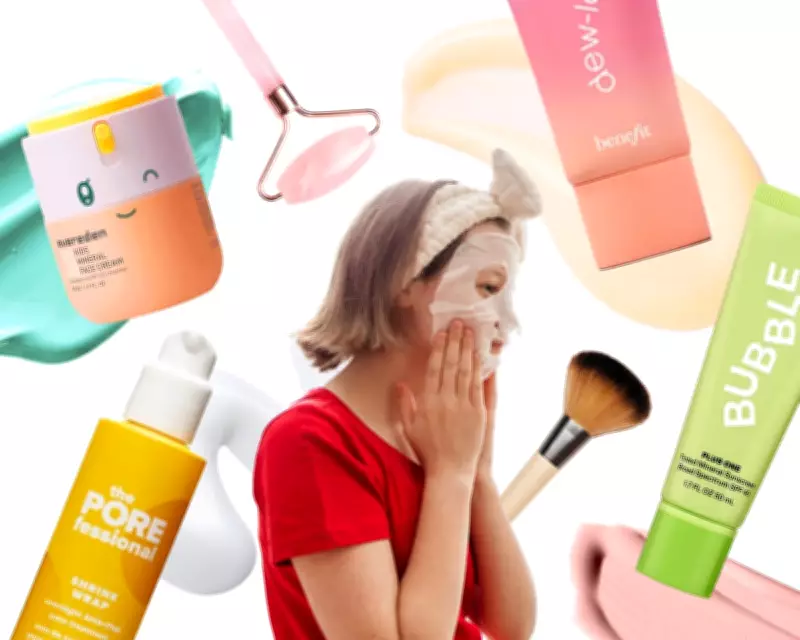
Dermatologists are raising alarms that children do not require most skincare products, yet a rapidly growing trend sees online influencers as young as 13 accepting free items from brands and promoting them to followers. This practice exists in a legal grey area, with regulators expressing concern over potential exploitation and inadequate safeguards.
Investigations into Brands Using Young Influencers
The Italian Competition Authority (AGCM) has launched an investigation into beauty brands Benefit and Sephora, owned by luxury goods company LVMH, for allegedly employing a "particularly insidious" strategy. This involves using young influencers to market skincare, including anti-ageing treatments, to children under 10. The AGCM claims the companies may have failed to clarify that their cosmetics are not intended for children, instead encouraging purchases through covert marketing tactics with young micro-influencers.
LVMH has stated that it, along with Sephora and Benefit, will fully cooperate with authorities, emphasizing strict compliance with Italian regulations but declining further comment.

Ambassador Programmes and Legal Ambiguities
An investigation by the Guardian uncovered numerous videos where young people thank brands for products received. It identified ambassador programmes open to children as young as 13, offering free products in exchange for promotional content online. However, these arrangements operate in a murky legal area, lacking clear regulations compared to traditional child employment in acting or modeling.
For instance, the US skincare brand Evereden runs a scheme with no official age limit, simply stating it loves "all ages and all stages" and promising early access to new products. Some influencers linked to the brand appear to be aged 12. Evereden requires parental permission for those under 18 and says young "aspiring influencers" can receive free monthly PR and event invites. The brand did not respond to comment requests or clarify the age for its ambassador programme.
On its website, Evereden notes it partners with influencers under 18 to engage with its actual audience, including kids, parents, and guardians, while requiring parental consent for all collaborations to ensure responsible and ethical engagement.
Another youth skincare brand, Bubble, calls for ambassadors aged 16 or over in a similar scheme, which previously accepted children as young as 13. A spokesperson for Bubble stated they do not partner with or pay children to promote products, requiring participants to be 16 or older with parental consent for those under 18. They emphasized clinical safety testing on consumers aged eight and up and involvement of a paediatric dermatologist on their advisory board.
Personal Experiences and Risks
A teenager with a few thousand followers, recruited by Bubble when under 16, shared that she remains in the programme due to pre-policy enrollment. Participants in such schemes complete tasks like liking and sharing content or producing videos for points redeemable against purchases. She noted seeing girls as young as 10 using retinols online, which can be harmful, especially for those under 25, and had to explain to a brand that she could not use such strong products sent to her.
Experts highlight the regulatory grey area, as strict rules for child actors and models do not extend to child influencers. Dr. Francis Rees, a law lecturer at the University of Essex and coordinator of the Child Influencer Project, explained that protections focus on consumers under advertising law, not the child creating content. Children in online content lack safeguards under the Online Safety Act or child performance legislation unless criminal thresholds are crossed, with brands contracting parents who are expected to safeguard the child.
Christopher Gabbitas, a partner at Keystone Law, added that English law provides heightened protections for children in work and commercial activities, but influencer arrangements must be assessed case-by-case. Cross-border schemes, like Bubble's governed by US law, operate in a "wild west" environment.

Parental Perspectives and Skills Development
A 16-year-old influencer with thousands of followers described content creation as a form of self-expression and promotion, helping build confidence and find her voice. Her mother agreed, noting the online presence provided visibility and confidence, with events involving tasks like handing out samples and creating content. However, they have become more selective as she focuses on A-levels and university, recognizing an "element of exploitation."
The mother declined one invitation requiring three hours of sample distribution, prioritizing homework and revision. She acknowledged valid concerns about unpaid youth labour but stressed the benefits, including confidence, communication skills, and understanding of brand operations. Through content creation, her daughter learned to articulate views, reflect on identity, and engage with diverse audiences, gaining organisation, time management, and media literacy skills.
Parental involvement has been crucial in contextualizing these experiences, ensuring they are not accepted uncritically. The mother emphasized that while unpaid creative labour should not be normalised, the skills developed explain why many teenagers engage in these spaces, highlighting the need for recognition and fair compensation.
Advertising Standards and Future Challenges
The Advertising Standards Authority requires influencer content to be clearly labelled as advertising, warning that simply declaring an ambassador relationship in a bio is insufficient. This risks leaving young people in breach of advertising rules without understanding their obligations. The 16-year-old influencer mentioned being paid £100 for one video but noted most work involves product exchanges rather than payment.
Overall, the world of child skincare influencers on TikTok presents complex challenges, blending exploitation risks with opportunities for skill development. As dermatologists caution against unnecessary skincare for children, regulators and brands must navigate legal ambiguities to protect young influencers while fostering ethical practices in digital marketing.