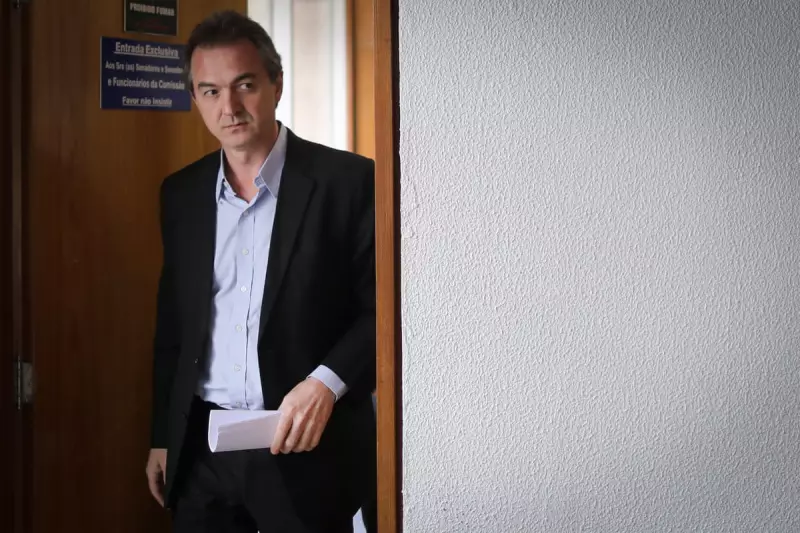
A Brazilian meat magnate, twice imprisoned for corruption, has emerged as a surprising and pivotal figure in high-stakes diplomatic manoeuvres involving the United States, Brazil, and Venezuela.
The Unlikely Emissary Lands in Caracas
On 23 November 2017, as international airlines suspended flights to Venezuela fearing potential US military action, a long-range executive jet from São Paulo touched down calmly in Caracas. On board was Joesley Batista, the billionaire co-owner of JBS, the world's largest meat-packing company. His mission: to meet with Venezuelan dictator Nicolás Maduro and persuade him to step down, just three days after Donald Trump had publicly demanded the same.
Batista's whirlwind visit, which concluded with his return to Brazil the following day, ultimately failed to dislodge Maduro. However, the revelation of his role as an unofficial envoy raised profound questions about why a businessman with such a chequered history was operating at the heart of international diplomacy.

Brokering Peace Between Trump and Lula
Batista's foray into Venezuelan politics was not his first diplomatic intervention. He is widely credited as the major force behind the reconciliation between former US President Donald Trump and Brazilian President Luiz Inácio Lula da Silva.
The relationship between the two nations had hit rock bottom. After Lula endorsed Trump's rival, Kamala Harris, the US imposed punishing additional 50% tariffs on Brazilian imports, citing retaliation for the legal troubles of former president Jair Bolsonaro. For months, official diplomatic channels were frozen.
The breakthrough came after Brazilian business leaders, led by Batista, began lobbying the US administration. While his peers met only with senior aides, Batista secured a face-to-face meeting with President Trump himself. He reportedly argued that the tariffs were hurting American consumers and, counterproductively, boosting Lula's domestic popularity ahead of the 2026 election.
The strategy worked. Trump and Lula finally met, and in November 2017, the US lifted most tariffs, including those on beef—the core of Batista's JBS empire.
A Controversial Figure Regains Influence
Batista's ascent as a power broker is remarkable given his background. He and his brother Wesley built JBS into a global giant, but their fall was spectacular. Police investigations revealed the company's astonishing expansion was fuelled by state loans secured through millions in bribes to hundreds of politicians.
Both brothers were jailed and forced to step down from their companies, though they were released shortly after and returned to their corporate boards last year. JBS also faces persistent fines and accusations of sourcing cattle from illegally deforested Amazon farms.
Yet, Batista has steadily regained political clout, now appearing alongside President Lula at public events. His connections in Venezuela are deep-rooted; in 2015, he struck a massive $2.1bn beef supply deal with the Maduro regime and hosted the dictator's key ally, Interior Minister Diosdado Cabello, in Brazil.
Retired ambassador Rubens Barbosa notes that Batista acts "solely in defence of his own interests" but has effectively become Lula's "chief broker on international affairs." Barbosa identifies this as part of a global trend where traditional diplomacy is being displaced by corporate lobbying, particularly in the US.
The tycoon's influence appears ongoing. Reports suggest Batista's Caracas trip was a catalyst for the first phone call this year between the previously estranged Presidents Lula and Maduro, demonstrating the enduring, if unconventional, power of this controversial businessman on the world stage.