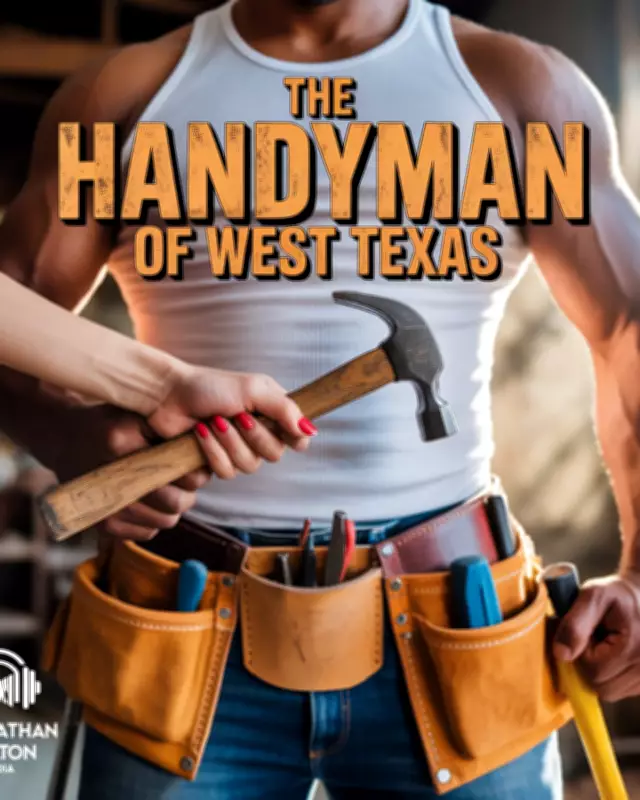
West Texas Handyman's Escort Podcast Ignites Legal and Social Controversy
A handyman from West Texas has become the center of a heated legal and social debate after launching a podcast that openly discusses his experiences with escort services. The podcast, which began airing earlier this year, has drawn significant attention from local authorities and community members, raising questions about the boundaries of free speech and community standards in rural America.
Podcast Content and Public Reaction
The handyman, whose identity has not been fully disclosed, uses the podcast to share detailed accounts of his interactions with escorts, often describing personal anecdotes and reflections on the industry. Listeners have reported that the content includes explicit language and graphic descriptions, which has led to a mixed public reaction. Some residents argue that the podcast is a form of protected free speech, while others condemn it as inappropriate and harmful to community values.
Local law enforcement officials have initiated a review of the podcast to determine if any laws have been violated, particularly concerning obscenity or solicitation. This legal scrutiny has sparked broader discussions about how digital media platforms are regulated in small towns and whether existing laws are adequate to address modern content creation.

Legal Implications and Free Speech Concerns
Legal experts have weighed in on the situation, noting that the case touches on complex issues surrounding the First Amendment. While the Supreme Court has historically protected speech that does not incite violence or involve illegal activities, the explicit nature of the podcast content could potentially fall under obscenity laws, which vary by jurisdiction. In Texas, obscenity is defined as material that appeals to prurient interests and lacks serious literary, artistic, political, or scientific value.
Community leaders have expressed concern that the podcast might normalize or promote illegal activities, such as prostitution, which is prohibited in Texas. However, the handyman has maintained that his podcast is purely informational and does not encourage any unlawful behavior. This defense has led to debates about the intent behind the content and whether it constitutes a public nuisance.
Social Impact and Community Standards
The controversy has highlighted the tension between individual expression and community norms in West Texas. Many residents feel that the podcast undermines the traditional values of the area, which prides itself on a strong sense of morality and family-oriented culture. Social media platforms have been flooded with comments from both supporters and critics, with some calling for the podcast to be shut down and others defending it as a legitimate form of storytelling.
Local businesses and organizations have also been affected, as the negative publicity has led to calls for boycotts or disassociation from the handyman's services. This economic impact adds another layer to the debate, illustrating how digital content can have real-world consequences for individuals and communities.
Future Developments and Broader Implications
As the legal review continues, experts predict that this case could set a precedent for how similar issues are handled in other rural communities across the United States. The rise of podcasting and other digital media has made it easier for individuals to share controversial content, challenging existing legal frameworks and social expectations.
In the meantime, the handyman has announced plans to continue producing the podcast, arguing that it provides a unique perspective on a taboo subject. Whether this stance will hold up in court remains to be seen, but the ongoing debate underscores the evolving nature of free speech in the digital age.