Coroner Unable to Establish Link Between Council Worker's Death and Mould Exposure
A coroner has concluded that it is impossible to determine whether a Hackney Council worker's tragic death from lung disease was directly caused by prolonged exposure to damp and mould in social housing properties he was employed to treat.
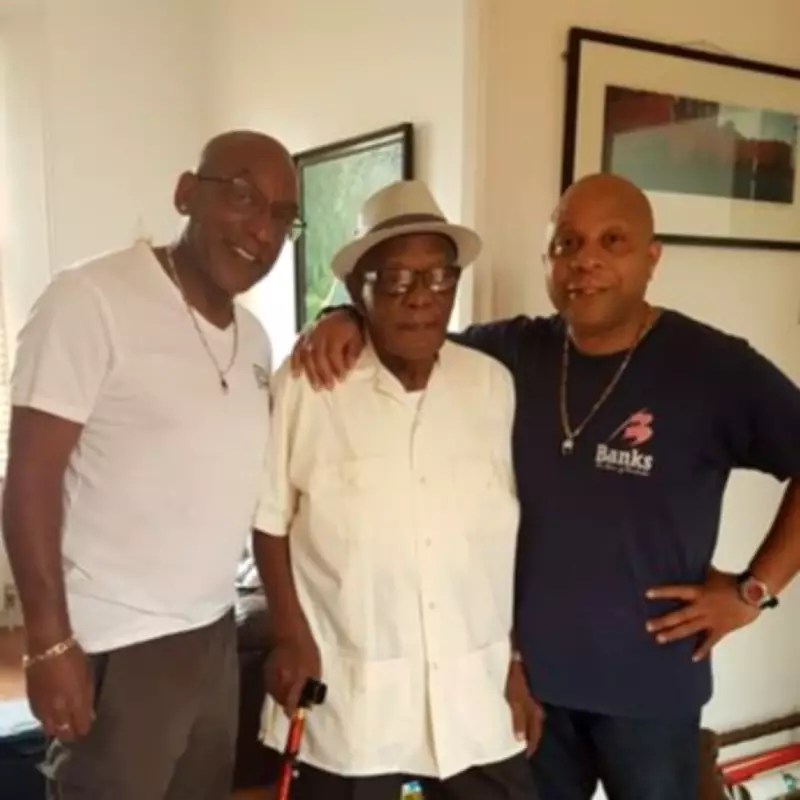
Daniel 'Dannie' Rhoden, a painter and decorator who had served Hackney Council for nearly forty years, passed away in hospital on June 21, 2025, at the age of 57. He had been awaiting a lung transplant after being diagnosed with fibrotic lung disease three years earlier.
Inquest Reveals Conflicting Medical Opinions
During an inquest held at St Pancras Coroner's Court on Tuesday, January 27, the court heard that medical professionals were puzzled by the cause of Mr Rhoden's condition. With no known genetic factors identified, doctors had raised the possibility of occupational exposure as a potential contributor following his diagnosis.

Coroner Edwin Buckett emphasised that the purpose of the inquest was to establish the cause of death, rather than to investigate clinical negligence or workplace safety failures. He noted that expert clinicians presented mildly conflicting views regarding the extent to which exposure to damp, mould, and the chemicals used to treat them might have contributed to Mr Rhoden's death.
Ultimately, the coroner ruled that it was impossible to know whether there was a definitive link between Mr Rhoden's occupation and his fatal lung disease, though he clarified that this conclusion did not mean no connection existed.
Worker Raised Concerns About Working Conditions
In a statement prepared before his death, Mr Rhoden expressed concerns that he and his colleagues faced pressure from council management to address widespread damp and mould issues with tight deadlines, suggesting that financial considerations often took precedence. He described the conditions he encountered as disgusting and claimed that a bonus scheme incentivised employees to complete two days' work in a single shift, potentially leading to corners being cut.
Mr Rhoden's brother, Paul, testified that his sibling had been in great shape but grew increasingly worried about health risks as his workload involving damp and mould treatment expanded in recent years. Paul revealed that Dannie had requested a transfer to another role within the council, but this was denied, meaning he continued to be exposed to potential hazards even after his diagnosis.
Colleague Highlights Systemic Safety Issues
Keith Charles, a fellow painter and decorator, provided a witness statement describing how workers were regularly put at risk when dealing with extensive mould coverage that could span up to thirty metres of wall. He criticised inadequate ventilation, outdated equipment, and a lack of proper risk assessments for properties scheduled for repairs.
Mr Charles pointed out that since the underlying causes of damp and mould were often structural, their work essentially involved painting over and not curing the fundamental problems, potentially exposing workers to ongoing health hazards.
Council Defends Its Health and Safety Protocols
Lindsey Matthews, Assistant Director for Repairs and Maintenance at Hackney Council, attended the hearing and disputed claims that workers were expected to perform quick fixes. She stated that employees were encouraged to use personal protective equipment when treating damp and mould, though she acknowledged that it was ultimately up to the operator to utilise this gear.
Ms Matthews confirmed that Mr Rhoden's work had predominantly involved tackling damp and mould since the implementation of Awaab's Law, which mandates rapid responses to hazardous housing conditions. However, she also claimed that Mr Rhoden had declined redeployment opportunities and highlighted that staff undergo continuous mandatory health and safety training, which is closely monitored.

Family Seeks Answers Amid Grief
Following the coroner's verdict, Paul Rhoden issued a statement expressing gratitude that the evidence regarding mould in Hackney's properties had been thoroughly examined. He described his brother as one of the good guys—a positive, helpful individual whose health declined dramatically once his illness became apparent.
The family emphasised the profound impact of Dannie's death, particularly noting the heartbreak of their elderly father having to bury his son. While acknowledging that nothing can undo their loss, they take some small comfort from having obtained clearer answers through the inquest process.