Greenwich Council has revealed it spent a substantial £640,000 on a public consultation for its controversial Sustainable Streets project, a transport initiative that faced widespread opposition from residents and was largely abandoned. The council has defended this expenditure, arguing that proper consultation cannot be done cheaply and that the feedback gathered will inform future schemes.
Substantial Spending on Consultation Process
At a full council meeting on January 28, Cabinet Member for Climate Action, Sustainability and Transport, Councillor Calum O'Byrne Mulligan, disclosed the breakdown of the £640,000 costs. This included £209,000 allocated to communications and engagement for the informal consultation, £264,000 for consultancy support covering map production and materials, and £167,000 on staffing. The consultation was conducted last summer to gauge public opinion on the Sustainable Streets proposals.
Defending the Consultation Costs
In response to questioning from resident Lara Ruffle Coles, who suggested a smaller pilot scheme might have wasted less council tax money, Councillor O'Byrne Mulligan emphasised that thorough consultation requires significant investment. He stated, "The truth is, proper consultation can’t be done on the cheap. We went to consult on the full Sustainable Streets proposals and residents made clear they wanted more time on that."

He further explained that extending the process, adding more events, and contacting more residents all contributed to the costs. The councillor argued that without this spending, the council would have faced criticism for not giving residents "a proper voice" in the decision-making process.
Backlash Leads to Scheme Being Scaled Back
The Sustainable Streets project, first proposed in late 2024, aimed to transform roads across Greenwich by introducing controlled parking zones, permit areas, and paid parking in neighbourhoods including Shooters Hill, Plumstead, Charlton, Kidbrooke, Blackheath, and Thamesmead. It also planned features like EV charging points and car club bays to prioritise parking for residents and businesses.
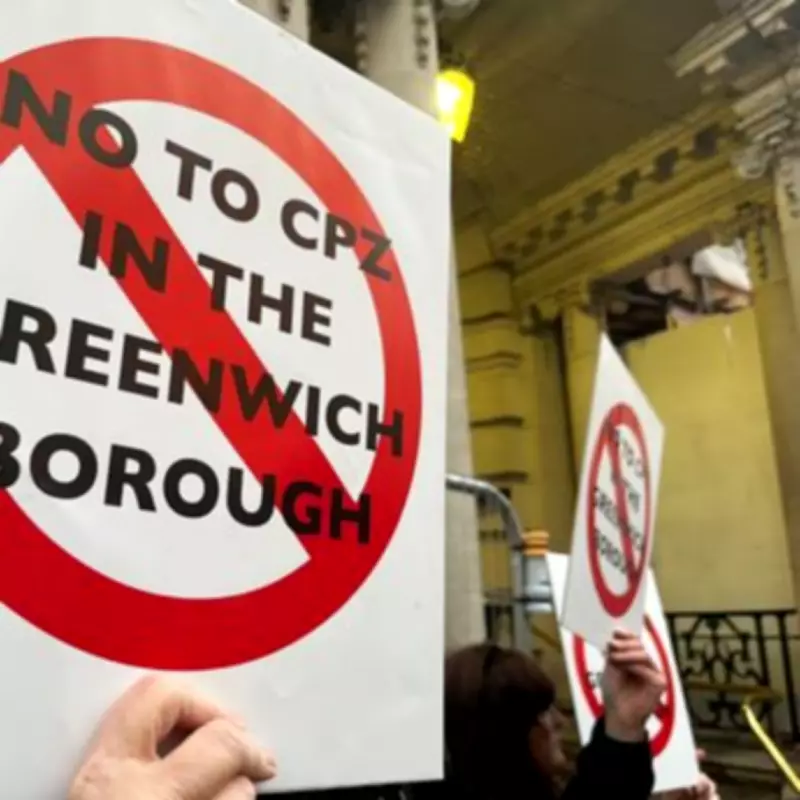
However, the scheme was met with strong resistance from many residents, who labelled it a "cash-grab", despite council assurances that all revenue would be ring-fenced for transport initiatives such as the Freedom Pass scheme. Following the consultation, Greenwich Council announced in December that it would only proceed with the proposals in Woolwich, the area that received the least pushback, dropping the other five areas from the plans.
Lessons Learned and Future Applications
Councillor O'Byrne Mulligan highlighted that even in areas where Sustainable Streets will not be implemented, the consultation provided valuable insights. He noted feedback on locations for EV charging infrastructure, car club bays, bike hangers, and other transport features, which the council plans to progress through separate schemes when possible.
Looking ahead, he indicated that the council might not cover such a wide area in future proposals, acknowledging the need for a more focused approach. The authority is set to launch a statutory consultation for the Woolwich proposals soon, outlining them in greater detail based on the lessons learned from this expensive process.