Political Clash Over Croydon's 'Giant Hole' Site Intensifies
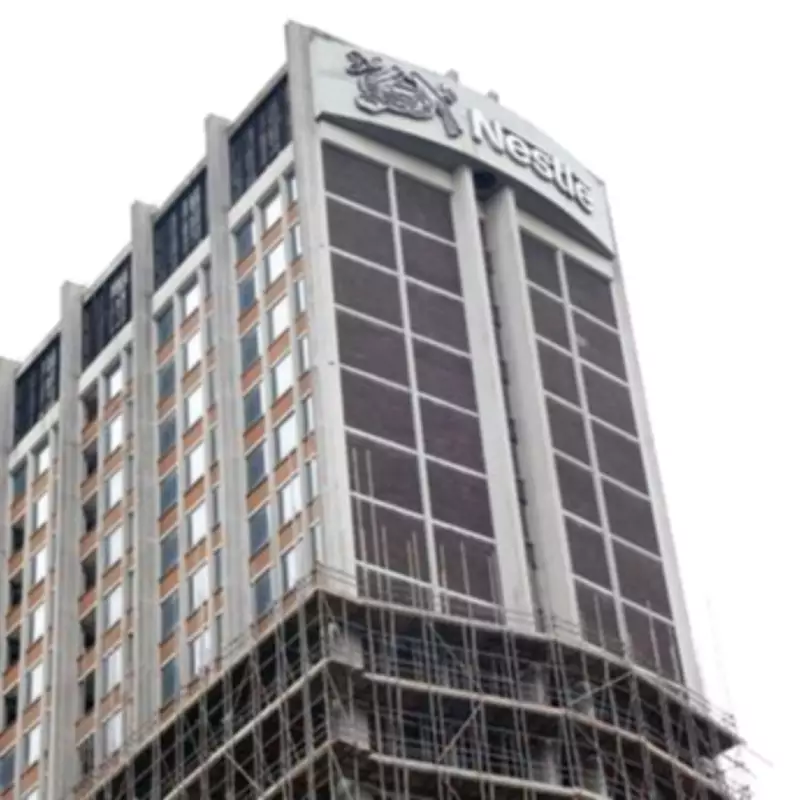
A fierce political battle has erupted in Croydon over proposals to regenerate a prominent derelict site in the town centre through compulsory purchase powers. Labour's mayoral candidate, Rowenna Davis, has pledged to use compulsory purchase orders (CPOs) to kickstart development at the long-vacant St George's Walk location, home to the iconic but abandoned Nestlé Tower.
'Economic Illiteracy' Versus 'Unacceptable' Stagnation
Davis described the current state of the site as "completely and utterly unacceptable", arguing that the partially demolished area has become a "giant hole where our heart should be" that damages local businesses and undermines confidence in Croydon's town centre. She insists her approach would not involve spending public money on purchasing the land, but rather using CPO powers to encourage developers to act.
However, Conservative opponents have launched a scathing attack on the proposal, branding it "economic illiteracy on steroids" and warning that any council attempt to take control of the site via CPOs could cost taxpayers between £150 million and £200 million. They argue this would expose residents to enormous financial and legal risks before any regeneration benefits materialise.

Decade-Long Stagnation at Prime Location
The St George's Walk site has remained largely vacant and partially demolished for several years, creating what local business owners describe as a magnet for vandalism and antisocial behaviour. The situation includes:
- The iconic Nestlé Tower, abandoned since the company moved to Crawley in 2012
- Grade II-listed SEGAS House, now a popular rough-sleeping location
- St George's Walk parade, once a busy shopping hub now largely unused
- Deteriorating hoardings with corroded metal and unsecured boards
Chinese developer R&F Properties purchased the site for £60 million in 2017 with planning permission for a £500 million redevelopment called The Queen's Quarter, proposing 290 flats in the tower and around 800 homes across the wider scheme. Work began in 2018 but stalled in 2020, leaving the prominent town centre location in limbo.
Regeneration Promises Versus Financial Realities
Davis argues that "one of the reasons that sites remain derelict for years is that developers think they can get away with it, because politicians would never dare to use CPOs." She claims to be in talks with several developers interested in taking over from the current owners and insists new investors rather than the council would fund any regeneration.
The Conservative leadership, currently running the council, counters that using CPO powers would shift all risks from private developers to taxpayers. They warn: "Once the council owns the site, it owns every problem that comes with it: the purchase price, the legal battles, the holding costs, the market risk and the delivery risk." They point to Croydon's recent bankruptcy, partly caused by Labour's previous property speculation through Brick by Brick, as evidence the borough cannot afford risky financial approaches.
Competing Visions for Croydon's Future
Davis has positioned her proposal as part of a broader vision to restore Croydon as "the place to go in South London", promising to use every power available to ensure the site delivers new shops, homes, investment and jobs. While acknowledging she cannot promise completed buildings within a four-year mayoral term, she hopes to see planning applications agreed or CPOs completed.
Conservatives argue regeneration must be delivered with "discipline, credibility and hard-headed competence" rather than what they characterise as Labour grandstanding. They claim Mayor Jason Perry and the current leadership are already working to unlock the site's redevelopment through talks with landowners and engagement with Homes England and the Greater London Authority.

The debate highlights fundamental disagreements about how to address long-term urban blight while managing financial risk in a borough still recovering from bankruptcy. With the site visible from council office windows and directly opposite Croydon Town Hall, its future has become symbolic of broader political divisions about development approaches and fiscal responsibility in local government.