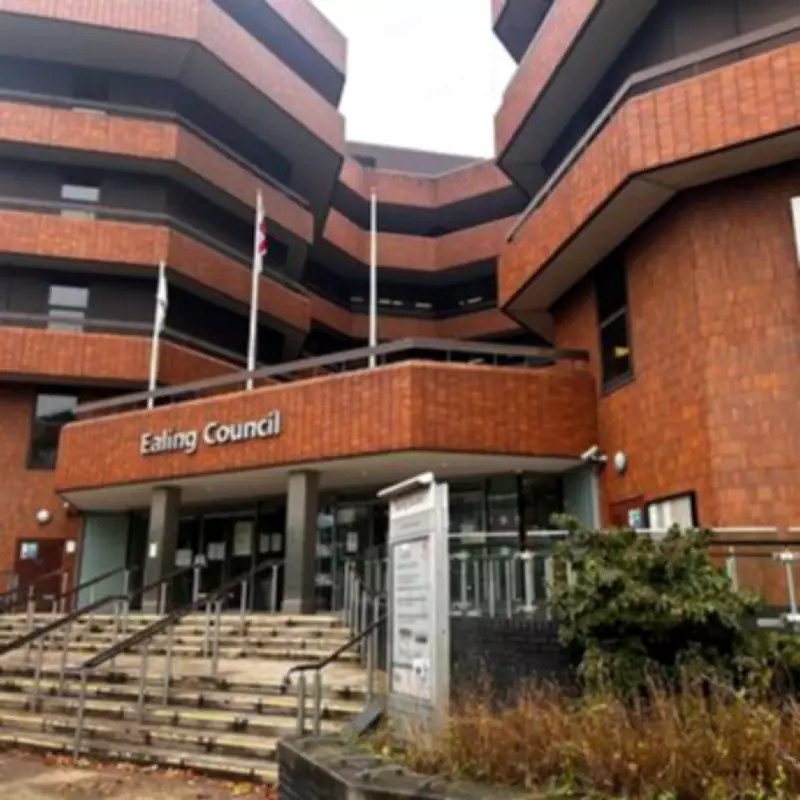
Ealing Council Unveils 2026 Budget with Tax Increases and Service Investments
A West London council has revealed its budget for the upcoming financial year, featuring a mix of tax rises, fee reductions, and significant capital investments aimed at addressing local challenges. Ealing Council published its budget on Wednesday, February 4, outlining plans that include cutting waste collection charges while increasing council tax by the maximum legal amount.
Council Tax and Property Charges
Council tax will increase by 4.99 per cent for all residents, the highest legal amount allowed. In a move to tackle the housing crisis, the council is taking an aggressive stance on underused properties. Owners will now be charged double council tax if a property is left empty for just one year, rather than the previous two-year threshold.
Any homes left empty for 5-10 years will face triple council tax, and those vacant for over 10 years will be charged quadruple council tax. Additionally, from April 1, second homes which are not a primary residence will be subject to double council tax payments.

Waste Collection Fee Reductions
In an effort to combat fly-tipping, the council is slashing prices for waste collection services. The garden waste collection fee will be cut from £98.20 to £75 per year. The charge for collecting bulky waste is also being reduced to £30 for six items.
Councillor Steve Donnelly, Cabinet Member for an Inclusive Economy, stated: “This is the first time in 16 years we have been able to balance the books without cuts to frontline services, whilst meeting the ever-increasing demand for social care and affordable homes.”
Major Housing and Education Investments
The largest single capital investment in this year's budget is the allocation of £131.6 million to purchase properties for use as temporary accommodation, instead of paying private landlords. This initiative responds to a £5.8 million budget pressure caused by soaring homelessness costs.
In education, the local authority has allocated:
- £25.47 million for the expansion of Villiers High School
- £18.5 million for primary school rebuilds and expansions
- £177,000 for the Young Adults Centre redevelopment
To cope with rising special educational needs (SEN) demand, £16.3 million has been budgeted for 2026/27 to create more places for children with SEN.
Opposition Criticism and Service Concerns
However, the Liberal Democrats have expressed concerns about service cuts. Their leader, Councillor Gary Malcolm, said: “Liberal Democrats are surprised that Labour are saying they are not cutting front-line services when they still plan to shut 10 Children's Centres and Acton's Michael Flanders Day Centre for vulnerable users.”
He added: “We can see that it has taken time but the Council have made a U-turn to the Liberal Democrat policy of charging less for the bulk waste collection services, which the high cost has prompted people to fly tip rather than use the service. With Council Taxes rising as well it means many families will struggle again this year.”
New Lane Rental Scheme and Financial Outlook
A new ‘lane rental’ scheme will be established to generate revenue while incentivising companies to complete roadworks faster in the borough. The council will charge utility companies and contractors a daily fee for digging up some of the busiest roads, with the primary aim of minimising congestion and disruption.
The scheme is anticipated to generate £50,000 in 2026/27, increasing to £200,000 per year by 2029/30 once fully operational. Despite setting a balanced budget, Ealing Council faces significant structural deficits in the upcoming years, with a cumulative budget gap of £7.89 million forecast by 2029/30.
The council has added £30.4 million of “growth” to service budgets to cover rising costs in statutory services such as homelessness and children's services, rather than funding new projects. A £3.5 million contribution to council reserves aims to improve financial resilience, though the General Fund Balance is forecast to be £20.47 million by the end of March 2026, considered “adequate” but “average” compared to other boroughs.