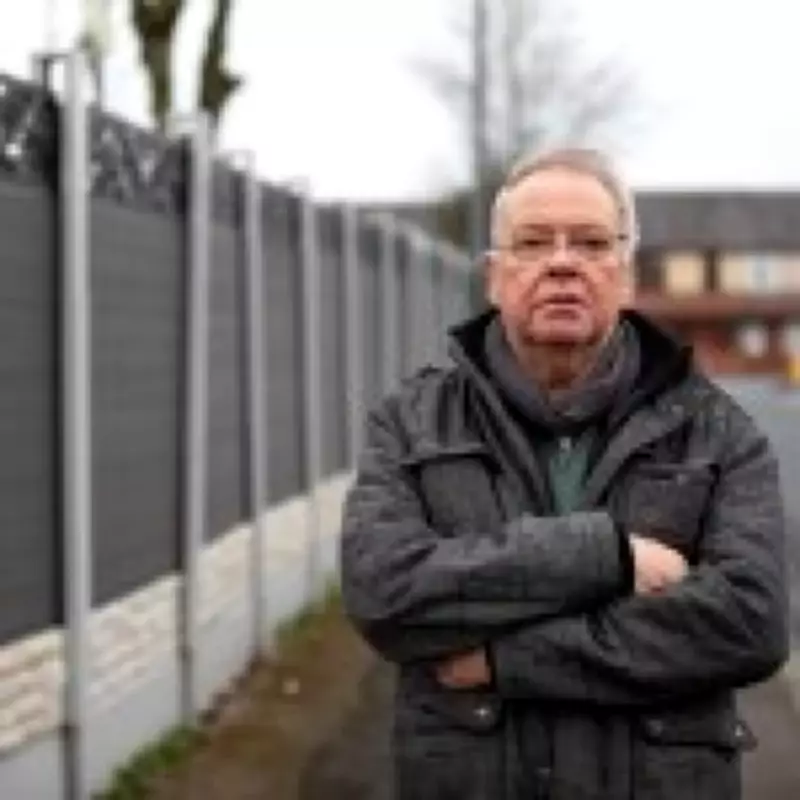
Elderly Couple Ordered to Demolish £4,500 Fence Over Colour and Character Concerns
A retired couple from Bolton are facing the distressing prospect of having to rip down a £4,500 seven-foot-high fence they installed for privacy and ease of maintenance, after local authorities deemed it unsuitable for the neighbourhood's aesthetic. David and Denise Hopwood, aged 67 and 66 respectively, erected the 25-metre-long grey composite fence around their home to replace an old, nine-foot-high hedge that had become unmanageable due to their age and disabilities, costing them £800 annually to maintain.
Planning Permission Refused Due to Street Scene Discord
The Hopwoods were forced to seek retrospective planning permission after a neighbour complained about the fence's height. The council refused the application, stating that the structure was out of touch with the 'character and appearance of the surrounding area'. In a recent appeal dismissal, the council provided five reasons, highlighting that the fence's location, materials, colour, and size make it a 'discordant and strident feature in the street scene'.
David Hopwood expressed frustration, noting that the fence has 'transformed' their lives by providing much-needed privacy and security. He argued, 'We both have arthritis and the hedge was out of control. I feel we have been hard done by, saying it doesn't fit with the street scene. There is a jet black one across the road and brick ones nearby; we seem to have been picked on.'

Council Inspector Cites Prominence and Contrast Issues
The property, situated at the corner of Plodder Lane and Duchy Avenue in a semi-rural setting, features open fields opposite. The council inspector's report noted that while there is some variation in boundary treatments along the road, homes typically have open frontages with low walls, timber fencing, or railings, often softened by mature hedging. The 2.1-metre-high fence, positioned at the back edge of the pavement, was described as 'very prominent' and 'at odds with the open frontages' of neighbouring dwellings.
Additionally, the inspector pointed out that the black composite panels create a 'stark contrast' with the red brick of the Hopwoods' house and adjoining lower wall, reinforcing the fence's discordant appearance. The report acknowledged the couple's personal circumstances, including privacy and security needs, but found insufficient evidence that the fence's height and materiality were necessary to achieve these goals, suggesting alternatives could cause less harm to the area's character.
Stressful Ordeal and Uncertain Future
The couple, who resorted to hanging blankets on a washing line for privacy before installing the fence, say the ordeal has been 'very stressful'. They have yet to receive an enforcement notice but fear that if forced to remove the fence, it would be 'terrible'. David Hopwood remarked, 'The appeal is the end of the line; an enforcement notice is usually the next course of action. Hopefully, they will just order us to change the colour and not replace it with something else.'
This case highlights ongoing tensions between homeowners' rights to modify their properties for practical needs and local authorities' efforts to preserve neighbourhood aesthetics, raising questions about the balance between individual convenience and communal character in residential areas.