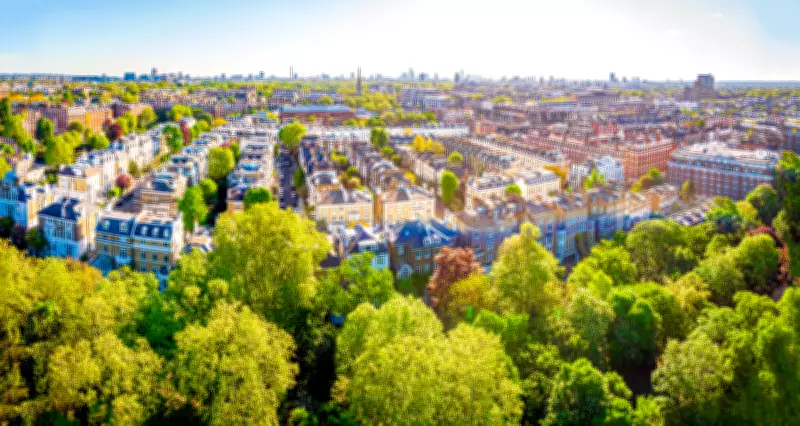
London residents who pay council tax are bracing themselves for the annual announcements from local authorities about rates for the upcoming financial year. While many boroughs have yet to confirm their increases for April 2026, one affluent London area is contemplating a significant change that could see some property owners facing doubled bills.
Proposed Doubling of Council Tax for Second Homes
The Royal Borough of Kensington and Chelsea is currently evaluating proposals to implement a council tax premium on second homes within its boundaries. If approved, this measure would effectively double the council tax bills for owners of secondary properties in the borough. This move aligns with policies already adopted by other London councils such as Wandsworth, Westminster, and Hackney, which have established similar premiums to address housing issues and generate additional revenue.
The primary objectives behind this potential policy shift are twofold: to discourage properties from remaining vacant and to create a new income stream for the local authority. By imposing higher charges on second homes, the council aims to incentivise property owners to either occupy these residences or make them available for rental, thereby addressing housing shortages and supporting community vitality.

Financial Pressures Driving the Changes
The timing of these proposals coincides with significant financial challenges facing Kensington and Chelsea Council. Local government documents reveal an estimated potential budget shortfall of £139 million by 2030, largely attributed to planned reductions in central government funding for local authorities. This substantial deficit has compelled council officials to explore various revenue-generating measures and cost-saving initiatives.
Council draft papers explicitly state: 'Given the financial position the Government's funding cuts have put the council in, we are now also reluctantly considering charging a council tax premium on second homes within the borough as well as exploring difficult options around reducing our council tax reduction scheme.' This statement underscores the challenging financial landscape that has prompted these potentially controversial measures.
Impact on Low-Income Residents
While second home owners represent one group potentially affected by these changes, the council's proposals extend to some of the borough's most vulnerable residents. Approximately 8,000 low-income individuals and pensioners who currently receive full council tax support could see their funding reduced by 10 percent under the new arrangements. For many, this reduction might mean paying council tax for the first time, creating additional financial pressure on households already struggling with the high cost of living in London.
This aspect of the proposals highlights the complex balancing act facing local authorities as they attempt to address budget shortfalls while considering the impact on residents across the economic spectrum. The potential changes would affect both the borough's wealthiest property owners and its poorest residents, creating a situation where financial adjustments touch opposite ends of the socioeconomic scale.
Uncertainty and Future Developments
The specific council tax changes that will ultimately be implemented in Kensington and Chelsea for the 2026/27 tax year remain undetermined. Council officials are continuing to evaluate the proposals and consider feedback before making final decisions. Residents and property owners in the borough are advised to monitor official communications from the local authority for confirmation of any changes to council tax rates and support schemes.
This development in Kensington and Chelsea occurs alongside council tax discussions in other London boroughs, with some areas considering increases of up to 9 percent for the coming year. The varying approaches across different councils reflect the diverse financial challenges and policy priorities within London's local government landscape.