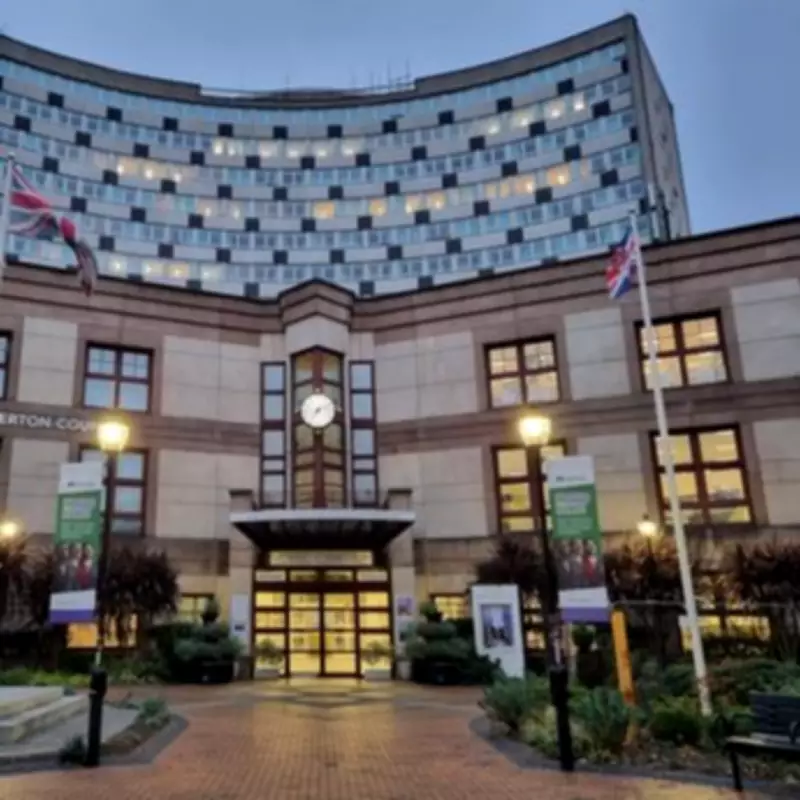
Merton Council Implements Core Council Tax Freeze for 2026
Merton Council has officially passed its budget for the upcoming financial year, implementing a freeze on the main element of council tax starting in April. This decision comes as the Labour-run authority announces a significant reduction in external debt, positioning it among the least indebted councils in the United Kingdom.
Financial Management and Debt Reduction
During the budget meeting held on February 25, the council voted against increasing the amount collected for core services. However, a 2% rise will still be applied to the adult social care precept. For a typical Band D property, this adjustment means bills will increase from £1,598.05 to an estimated £1,630.01, translating to an additional £32 per year. The council continues to operate a council tax support scheme, assisting 10,000 households annually.
Councillor Stephen Alambritis, Cabinet Member for Finance and Corporate Services, emphasized that the budget reflects robust financial stewardship. He stated, "This budget is drenched with strong financial management and represents a positive investment in Merton's services, together with support for the most vulnerable in our community." Alambritis highlighted that Merton's low-risk status, healthy reserves, and minimal external debt justify the council tax freeze.

The council's debt reduction strategy was bolstered by the sale of its company, CHAS, in 2023, which generated a £186 million windfall. Over £50 million of these funds were allocated to paying off historic debt, reducing borrowing from £110 million in 2022 to £38 million currently. Consequently, Merton now services debt at only £2.6 million per year, ranking as the third-lowest debt burden in London. This strong financial position has enabled the council to provide secure loans to other authorities, including Manchester, Dorset, and Leeds, earning interest in the process.
Political Opposition and Criticism
Liberal Democrat Opposition Leader Anthony Fairclough expressed concerns, noting that while residents might be relieved by the freeze, they still face increased costs due to previous maximum council tax hikes and over 700 fees and charges raised above inflation. The Lib Dems also criticized the Labour council's £13.2 million savings plan, labeling the proposals as "rushed and panicked." They argued that these savings involve cuts to local services, including a last-minute £3 million reduction and over £1.5 million from services for vulnerable children, potentially shifting higher charges to other care providers.
In response, Labour defended the savings as "deliverable, sustainable, and fair," with all cuts undergoing equality impact assessments. Alambritis further criticized the Lib Dems for not raising these issues prior to the budget meeting.
Impact of Government Funding Changes
Setting the budget proved unusually complex due to recent revisions to the government's Fair Funding formula. These changes have reclassified Merton as a "low needs, high resourced authority," leading to a projected decrease in core government funding from £84.2 million in 2025/26 to £70.8 million by 2028/29. In contrast, neighboring Croydon is expected to gain an additional £59.6 million over the next three years.
The budget also addresses rising service pressures, particularly in homelessness and temporary accommodation, which have become the council's largest spending concern. Placements in temporary accommodation surged by 30% over the past year, from 539 to 700 households. To manage this demand, the council has allocated a permanent £3 million budget increase starting in 2026/27, alongside its ongoing housebuilding programme.
Additional Financial Measures and Opposition Proposals
Merton Council welcomed recent government changes to SEND funding, which will write off 90% of the historic deficit accrued for children and young people with special educational needs and disabilities by the end of 2025/26. The Ministry of Housing, Communities and Local Government described these grants as "the largest intervention on SEND deficits ever."

Both main opposition parties proposed budget amendments, which were ultimately rejected. The Liberal Democrats suggested initiatives such as cost-of-living grants, business rates relief, youth social prescribing, and new community safety hubs to compensate for the loss of Merton's two police front counters. Conversely, the Conservatives proposed using £0.915 million from reserves to fund an immediate 1% council tax rebate for Band A–E households.