

Wandsworth Council has publicly committed to not raising its council tax beyond the current 5% limit, despite being granted special powers by the government to do so without consulting residents.
Council Stands Firm on Low Tax Pledge
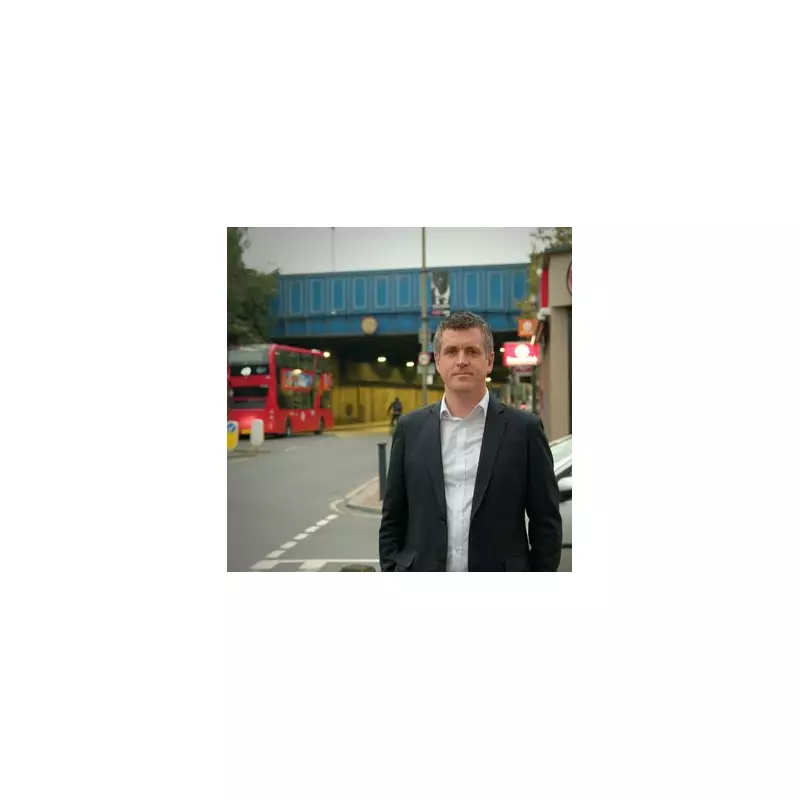
Council leader Simon Hogg has reaffirmed the authority's long-standing policy of maintaining the lowest council tax in the United Kingdom. This comes after ministers confirmed that Wandsworth is one of just six councils being given additional flexibility to increase council tax for the 2026 and 2027 financial years without holding a local referendum.
Simon Hogg stated clearly: “Wandsworth Council sets the lowest Council Tax in the country. We don’t want the freedom to increase Council Tax beyond the 5% referendum limit and my administration won’t be using it.” He emphasised that keeping council tax as low as possible was "the right thing" for residents.

Understanding the Government's Funding Shake-Up
The new powers are part of a broader overhaul of local government funding. The reform will reduce the share of central government funding allocated to some inner and outer London councils, including Wandsworth. The stated aim is to shift more money towards areas with higher levels of deprivation and a greater proportion of lower-band properties.
Ministers argue the system, last updated in 2013, needs to be fairer and better reflect modern demand for services. The six councils selected – Wandsworth, Kensington and Chelsea, Westminster, Hammersmith and Fulham, the City of London, and Windsor and Maidenhead – were chosen due to their "very low" council tax levels, where Band D households pay hundreds of pounds less than the national average.
However, the Institute for Fiscal Studies has noted that these same councils are also facing some of the largest reductions in their share of central government funding.
Political Reaction and Financial Confidence
The changes have sparked criticism from opposition parties. Conservatives have accused the Labour government of "punishing" low-tax councils and removing vital safeguards for residents. Meanwhile, Reform UK has argued that rural areas will be neglected under the new funding formula.
Despite the financial pressures implied by the funding shift, Wandsworth's leadership expresses confidence. Mr Hogg pointed to the council's high financial reserves and low debt compared to other London boroughs. He asserted that the council is able to run "excellent services" while maintaining its exceptionally low tax rates.
For the 2024/25 period, Band D properties in Wandsworth pay between £961 and £998, significantly cheaper than anywhere else in the UK. The council has a history of freezing or keeping increases minimal.
"Value for money remains at the heart of everything we do," Hogg said, assuring residents that the council's stability would not come "at the expense of burdening residents" with higher bills. The government has stated that overall council funding will rise by £3.9bn next year, assuming councils utilise the maximum 5% tax increase allowed under the standard rules.






