

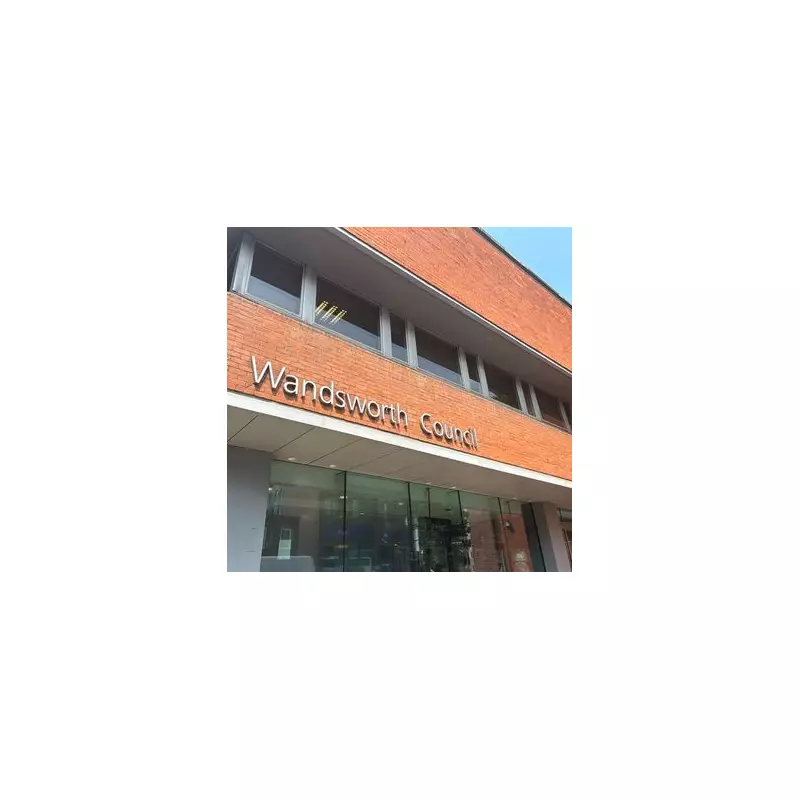
Wandsworth Council in South London is embarking on an ambitious transformation programme designed to save £45 million per year by 2029, as the authority confronts a looming budget deficit projected to reach over £50 million. The council's comprehensive strategy focuses on enhancing digital accessibility and operational efficiency to navigate rising service demands and escalating costs.
Addressing Financial Pressures Through Innovation
The council is currently in the preliminary stages of developing this transformative initiative, with full implementation scheduled for next year. While the £45 million annual savings target is provisional and subject to revision as more detailed plans emerge, it represents a critical component of the council's efforts to achieve budgetary balance. A recent council report highlighted that despite Wandsworth's established reputation for robust financial management and high-quality services, evolving challenges necessitate a fundamental shift in approach.
These challenges include increasing demand for public services, spiralling operational costs, and forthcoming funding reforms that will reduce financial flexibility. The transformation programme is specifically designed to leverage cutting-edge technology and innovative working methodologies to overhaul service delivery, thereby mitigating these mounting pressures.

Strategic Portfolio Contributions
Each of the council's eight distinct portfolios has been tasked with formulating a detailed business case over the next six months. These individual cases will subsequently be integrated into a cohesive delivery plan for the overarching transformation. The portfolios encompass critical areas such as adult social care and public health, resident services, children's services, and asset management.
The insights derived from these forthcoming business cases will be instrumental in determining the appropriateness of the £45 million savings target. This structured, portfolio-based approach ensures that all major council functions contribute strategically to the efficiency drive.
Political Perspectives on the Savings Target
During a meeting of the authority's Finance Committee on January 22, Labour councillor Kate Stock articulated the programme's core philosophy, describing it as a process of "rethinking what we do and how we do it... if there's a better way to do it, let's find out." This sentiment underscores the programme's aim to foster a culture of continuous improvement and innovation within the council.
Conversely, Conservative councillor Peter Graham expressed concerns that the current £45 million target may prove insufficient to fully balance the budget, potentially necessitating increased reliance on financial reserves and higher council tax rates. Council officers acknowledged these concerns, noting that more detailed financial information is forthcoming and that final budget and council tax proposals will be thoroughly debated in February.
Leadership Vision for Efficient Service Delivery
James Wills-Fleming, the council's Transformation Director, emphasised that the £45 million figure should be viewed as a foundational starting point, with potential for expansion. He elaborated on the programme's dual objectives, stating, "I do think it's really important that we emphasise that delivering more effective and efficient services and having them be cheaper, they are not mutually exclusive. In fact, the opposite is often true. The more efficient, the more responsive, the more automated, they are the cheaper services for us."
An official council report further clarified the transformative intent, explaining, "Delivering transformation is about rethinking what we do, it's not just about doing things differently, it's about doing different things. It is about making fundamental changes to the way we operate and how we offer better value for money in how we deliver services to our residents."
The report continued, outlining the broader cultural shift: "It is how we will empower people, how we will harness technology, improve processes, and make better use of our physical infrastructure to deliver our priorities and be financially sustainable in the future. It is how we will change the council's culture and behaviours to discover better ways of working, based on our vision and our values."

Central to this vision is the aspiration for Wandsworth Council to become the nation's most digitally accessible local authority, a goal that aligns directly with the drive for greater efficiency and cost reduction. This comprehensive transformation represents a proactive response to significant financial headwinds, aiming to secure the council's long-term sustainability while enhancing service delivery for residents.





