Jean-Michel Aulas Transitions from Football to Politics in Lyon Mayoral Bid
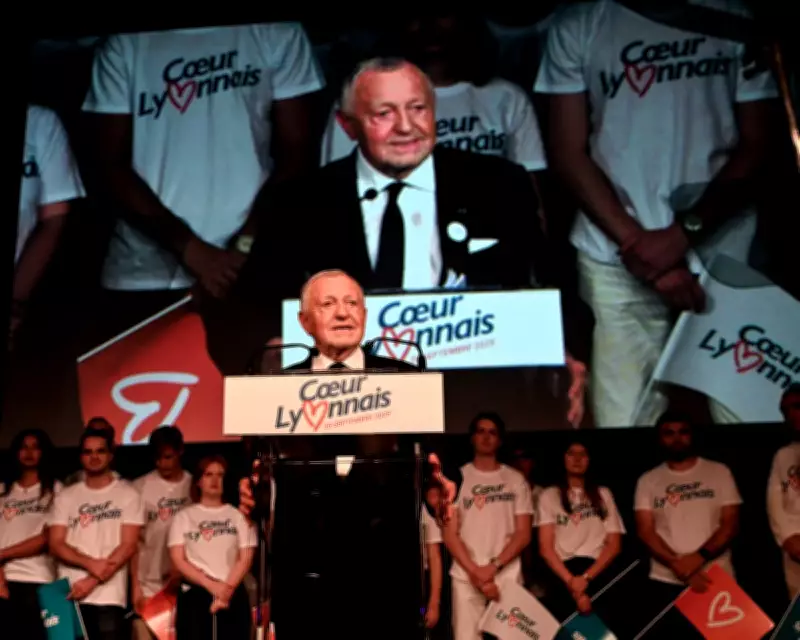
Jean-Michel Aulas, the former president of Olympique Lyonnais, has emerged as a frontrunner in Lyon's mayoral election, stirring controversy as he shifts from sports leadership to political ambition. The 76-year-old launched his campaign in September 2025, positioning himself as a "civil society" candidate aiming to unseat incumbent Green mayor Grégory Doucet. With the first round approaching, polls consistently show Aulas leading at approximately 40%, setting the stage for a potential second round if no candidate secures 50% of the vote.
Football Endorsements and Political Alliances
High-profile endorsements from former players like Karim Benzema and Bafétimbi Gomis have bolstered Aulas's campaign, with Benzema praising his experience and vision in a televised interview. Despite claiming independence from party politics, Aulas has assembled a coalition backing from opposition groups, including President Emmanuel Macron's Renaissance party and the right-wing Les Républicains. This broad support highlights his appeal across political spectrums, though critics argue it masks a lack of substantive policy proposals.
Conflicts of Interest and Ethical Concerns
Aulas's dual roles as vice-president of the French football federation and president of the national women's football league have raised ethical questions. The FFF's ethics committee intervened to block a campaign promise to build a stadium in Lyon's La Duchère neighbourhood, citing rules against football-linked pledges. Additionally, a proposed metro line connecting the city center to the airport, which would serve an arena owned by Aulas's family firm, Holnest, has sparked accusations of conflicts of interest. Aulas transferred his professional activities to his son to mitigate these concerns, but opponents remain skeptical.

Criticism from Political Rivals
Gautier Chapuis, a deputy mayor seeking re-election, criticizes Aulas for focusing on infrastructure projects like tunnels and stadiums while neglecting core issues such as housing, healthcare, and public safety. Chapuis, a left-wing Green politician, argues that Aulas's right-wing alignment undermines his claims of being above party politics. In contrast, Pierre Oliver, a Républicains mayor and Aulas's running mate, defends him as a Lyon institution who brought prestige through football and entrepreneurship, attracting new voters to the campaign.
Campaign Dynamics and Public Perception
Political scientists note that Aulas leverages his football success as political capital, with his manifesto, Coeur Lyonnais, minimizing sports promises to avoid overemphasis. The campaign shifted rightward early on with the involvement of Laurent Wauquiez, limiting centre-left support. Aulas's response to the killing of far-right activist Quentin Deranque, including a call to display his portrait at city hall, drew criticism from Doucet for political exploitation. In televised debates, Aulas faced scrutiny over alleged tolerance of violent fan groups, which he denied, admitting struggles with the political format and skipping subsequent events.
Election Outlook and Implications
As the campaign concludes, Aulas remains the favorite despite being a political novice, capitalizing on his football legacy and entrepreneurial image. The outcome could reshape Lyon's governance, highlighting the intersection of sports, business, and politics in modern urban elections. Voters will decide whether his management skills translate effectively from the football pitch to city hall, amid ongoing debates over substance and ethical integrity.