The glittering spectacle of professional darts, with its superhero walk-ons and ecstatic crowds, often masks a far grimmer reality for the players themselves. This truth was laid bare at Alexandra Palace during the PDC World Darts Championship, where the emotional and physical toll of the sport came sharply into focus.
A Sport of Highs and Hidden Lows
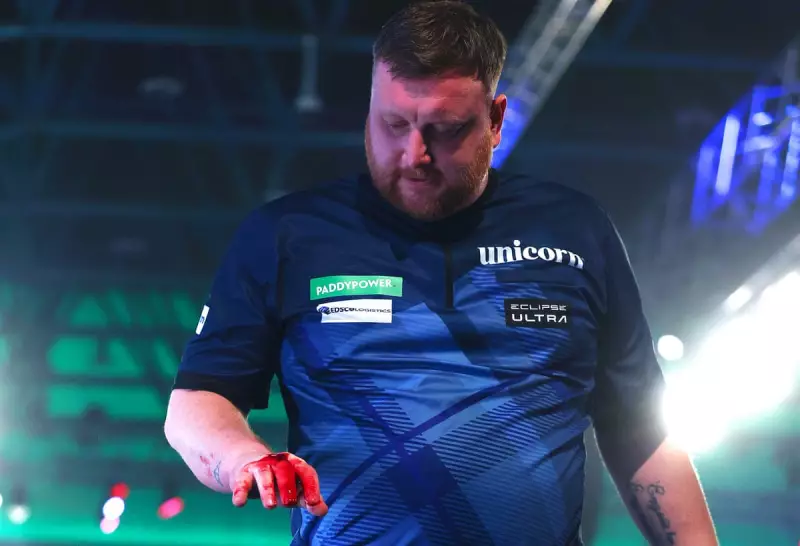
The shocking moment when Cameron Menzies stormed off stage with a deep cut after punching a drinks stand in frustration following his loss to Charlie Manby was a visceral symbol of the pressure cooker environment. Yet, for many top players, the struggle is less explosive but more pervasive: a creeping sense of isolation and disillusionment.
"It's a lonely place," confessed Stephen Bunting, one of darts' most successful figures, fighting back tears after a match. He highlighted the intense personal responsibility, stating, "If things don't go right... it's down to you." This sentiment is echoed by world number three, Nathan Aspinall, who used a post-match interview to warn that "there are a lot of guys suffering" on the professional circuit.

The Relentless Grind: From Superstars to the Floor
While the world champion will bank a life-changing £1 million this year, and even solid top-64 players can earn six-figure sums, the path is brutal. For those outside the elite top 16, direct tournament entry is not guaranteed, making income precarious. "The tour is soul-destroying. It's relentless," said world No. 41 William O'Connor, describing scenarios where brilliant play still results in zero earnings.
The glamorous televised stages represent a tiny fraction of a dart player's life. The majority of the season is spent in "floor" tournaments—mass-participation events in empty leisure centres—where a first-round loss means going home with nothing. "I used to look forward to tournaments. Now I mainly look forward to being with the lads," admitted world No. 32 Joe Cullen, highlighting a widespread loss of competitive hunger for these anonymous fixtures.
For some, the motivation has become purely financial. Former world champion Gerwyn Price stated earlier this year that money is his sole driver. Nathan Aspinall was even blunter: "I'm not a big darts fan any more... I treat it as my job now, and I'm here to make as much money as I can."
Family, Pressure, and Seeking a Balance
At the sport's summit, different pressures emerge. The demanding schedule of World Series events, Euro Tours, and the Premier League clashes with family life. James Wade, who was knocked out of the tournament, spoke for many parent-players: "Family is more important, but it's hard. I've really struggled." Michael van Gerwen has also acknowledged how fatherhood changed his relationship with darts, affecting practice and motivation.
This is not to say every player is unhappy. Bunting himself also called darts "the greatest privilege in the world." However, the sport can act as an accelerator for underlying issues, placing ordinary individuals under extraordinary, isolating pressure. The candid discussion of mental health by players like Rob Cross underscores a growing need for recognition and support.
Perhaps the most telling perspective comes from world No. 54 Alan Soutar, who maintains a full-time job as a firefighter. "It's not my job," he says of darts. "I'm just here for a jolly." In prioritising a life outside the sport, he may have found the secret to enduring its unique demands—a lesson the darting establishment may need to heed as it continues to chase ever-greater prize funds.