A Triumph Tainted by Political Silence
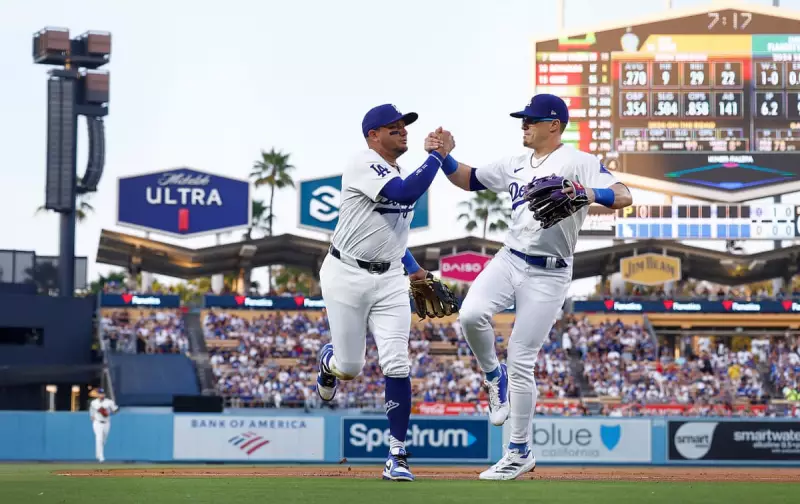
When Miguel Rojas and Enrique Hernández embraced in celebration at Dodger Stadium on 9th August 2024, they created more than just a memorable baseball moment. For the Los Angeles Dodgers' substantial Latino fanbase, this victory represented both sporting excellence and cultural significance, yet remained shadowed by the team's political stance on immigration issues affecting their community.
The Dodgers' World Series victory over the Toronto Blue Jays came after an intense final game that stretched into extra innings, but for many supporters, the defining moment occurred earlier in the series. Hernández, hailing from Puerto Rico, and Venezuelan native Rojas executed a breathtaking double play that not only shifted momentum in the Dodgers' favour but also challenged negative stereotypes about Latino athletes.
The Celebration and The Complication
Natalia Molina, a third-generation Mexican American and lifelong Dodgers fan, described the play as politically and culturally exhilarating. "Kike and Miggy put forth this counter-narrative," said Molina, who teaches American studies and ethnicity at the University of Southern California. "The world saw Latinos showing an infectious pride and joy in what they do, being leaders on the team."

However, this sporting triumph exists against a backdrop of tension. While immigration raids conducted by the Trump administration swept through Los Angeles from June 2024, accompanied by National Guard troops and marines, the Dodgers organisation remained notably silent. Other local sports teams issued statements supporting immigrant families, but the baseball franchise initially avoided taking a political position.
Team president Stan Kasten has repeatedly stated the Dodgers prefer to steer clear of politics, possibly influenced by the fact that a significant minority of their Latino supporters are Trump supporters. Following public pressure, the team eventually pledged $1 million to support families affected by the raids but stopped short of criticising the administration directly.
Historical Baggage and Corporate Complicity
The complications run deeper than contemporary politics. The Dodgers' very presence in Los Angeles stems from a controversial history. In the late 1950s, the city demolished three working-class Latino neighbourhoods in Chavez Ravine, selling the land to the team at a fraction of its market value to build what became Dodger Stadium.
Furthermore, the team's corporate ownership presents additional concerns. Guggenheim Partners, the financial behemoth that owns the Dodgers, holds investments in GEO Group – a private prison corporation operating Immigration and Customs Enforcement detention centres. Though Guggenheim leadership maintains they wish to remain apolitical, critics argue their silence and financial interests represent tacit support for Trump's immigration policies.
This complex relationship has left many Latino fans grappling with their allegiance. Local columnist Erick Galindo articulated this conflict in an essay questioning whether it remained acceptable to support the Dodgers, describing "Dodger blue in our veins, but doubt in our hearts." Galindo ultimately boycotted the World Series, yet still found himself emotionally invested in the outcome.
Players Versus Management
The distinction between the team's players and its corporate leadership became starkly apparent during the victory celebration at Dodger Stadium. While manager Dave Roberts and the players received roaring approval from the capacity crowd, Kasten and Guggenheim CEO Mark Walter were met with boos from the same audience.
This sentiment echoes Molina's perspective: "These men in suits don't get to take our boys in blue from us. We've been with the Dodgers longer than they have."
Several players have demonstrated awareness of these community concerns. Hernández himself condemned the ICE raids during the summer, stating, "I may not be [an Angeleno] born and raised, but I cannot stand to see our community being violated, profiled, abused and ripped apart."

The team's international roster, including Japanese superstar Shohei Ohtani and pitcher Yoshinobu Yamamoto, has further diversified the Dodgers' appeal. Young Japanese pitcher Roki Sasaki even endeared himself to Latino fans by choosing a Spanish-language dance track as his walk-up music, explaining that Rojas had suggested the song.
An Enduring Connection
Despite the complications, the bond between Latino communities and the Dodgers remains powerful. As Molina notes, "For many Latinos, the Dodgers are how they connect to an American identity. It's the most American institution most immigrants in LA feel connected to."
The team's victory provided a much-needed morale boost for a city that endured devastating wildfires earlier in 2024 and ongoing political tensions. Los Angeles Mayor Karen Bass observed that "Given the year we've had, we can use this burst of adrenaline, this burst of good will."
Ultimately, the Dodgers' World Series triumph represents both celebration and contradiction – a team carried by Latino talent while its ownership remains silent on issues critically affecting that same community. For Latino fans across Los Angeles and beyond, supporting los Doyers remains a complicated, yet deeply rooted, tradition.