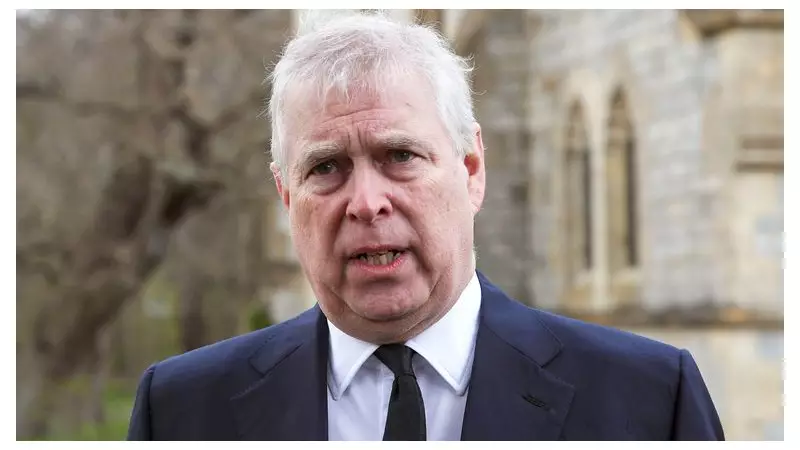
The Cabinet Office has publicly attributed an "administrative error" to the mistaken release of historical government documents concerning the Duke of York, Andrew Mountbatten-Windsor. Sensitive details were briefly made available before being hastily withdrawn and redacted from the public record.
What Was in the Mistakenly Released Files?
The incident involved a Downing Street file from 2004 and 2005, which covered planning for royal visits. Under the standard 20-year rule, such government papers are transferred to the National Archives in Kew, west London, for public release. This particular batch was shared with journalists under embargo ahead of the official archive transfer.
Among the documents were the minutes of a meeting that discussed travel arrangements for the former prince, who was serving as a UK trade envoy at the time. However, the version ultimately sent to the National Archives for permanent public viewing had these specific details about Andrew, and others, blacked out.

Why Were the Documents Withdrawn?
While most government records become public after two decades, files relating to the Royal Family are frequently withheld under exemptions permitted by the Public Records Act. The Cabinet Office, the department responsible for managing the transfer of files to the archives, stated the unredacted royal documents were handed to journalists in error, as they were never intended for release.
"All records are managed in line with the requirements of the Public Records Act. Any release is subject to an extensive review process, including engaging expert stakeholders," a Cabinet Office spokesperson said.
Journalists from outlets including the Press Association who saw the file before its withdrawal reported that the travel meeting minutes appeared routine and unexceptional in content.
Campaigners Challenge the Royal Exemption
The incident has reignited debate over transparency and the royal family's right to privacy in historical documents. Anti-monarchy campaigners argue there is particularly no justification for withholding information about Andrew, who was stripped of his military affiliations and royal patronages in 2022 and no longer uses the style 'His Royal Highness' in an official capacity, following his association with convicted sex offender Jeffrey Epstein.
"There should be no royal exemption at all. But this exemption surely doesn't apply to Andrew now he's no longer a royal," said Graham Smith, chief executive of the campaign group Republic. He added that documents should be released "without fear or favour... to allow the public to make informed judgments about the royals." Andrew has consistently denied any wrongdoing.
It has also been reported that the mistakenly released file contained minutes discussing potential travel plans for Prince William, now the Prince of Wales, indicating the error was not limited to files concerning Andrew.