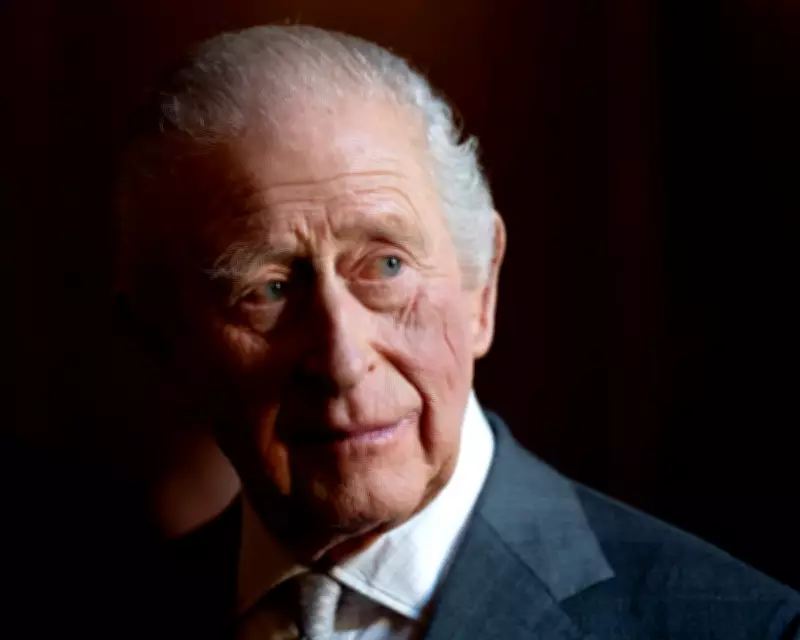
Growing Pressure for Royal Apology Over Slavery Legacy
King Charles faces mounting calls to issue a formal apology for Britain's involvement in transatlantic slavery, following new research that reveals the extensive role the monarchy played in sustaining and profiting from the trade in enslaved African people for hundreds of years.
Research Uncovers Crown's Historical Involvement
The recently published book The Crown's Silence provides detailed evidence showing how successive British monarchs, from Queen Elizabeth I through to George IV, actively supported and benefited from the slave trade to enhance crown revenues and strengthen the British Empire. Historical records indicate that by 1807, the British crown had become the largest single purchaser of enslaved individuals.
While King Charles has previously expressed "personal sorrow" regarding the suffering caused by slavery and spoken about addressing enduring inequalities, the British monarchy has never issued an official, formal apology for its institutional involvement in the transatlantic slave trade.

Political and Campaigner Responses
Bell Ribeiro-Addy, Labour MP for Clapham and Brixton Hill and chair of the all-party parliamentary group for Afrikan reparations, argues that expressions of "personal sorrow" are inadequate given the scale of historical crimes. "This isn't about individuals but the monarchy as an institution," she emphasised. "What is needed is not simply an apology on behalf of the crown, but acknowledgment of this history and action to address its lasting legacy of global racism and inequality."
Green Party MP Carla Denyer described a formal apology as "long overdue," stating that "the descendants of enslaved people deserve nothing less."
Beyond Apology: Calls for Substantive Action
The Runnymede Trust, which recently published a comprehensive report on reparative justice, suggests that while an apology from King Charles would represent "a welcome, symbolic first step," it must be accompanied by concrete governmental commitments to address systemic inequalities rooted in slavery's legacy.
Liliane Umubyeyi, director of African Futures Lab, argues that recognition alone is insufficient, highlighting that "there is a legal as well as moral obligation for reparations, as slavery has been formally recognised as a crime against humanity under international law."
International Perspectives and UN Involvement
Michael McEachrane, a researcher and human rights activist serving on the UN permanent forum on people of African descent, notes that "the growing global call for reparatory justice is not primarily about the past" but is essential for creating sustainable futures. He emphasises that this represents an opportunity for partnership between Commonwealth nations and the UK to build equitable futures together.
Dominique Day, a human rights lawyer with the UN working group of experts on people of African descent, connects the legacy of slavery and colonialism to contemporary issues including police violence, joint enterprise prosecutions, and the Windrush and Grenfell scandals. "An acknowledgment creates space for repair," she observes.
Upcoming Diplomatic Pressure Points
Later this year, King Charles is expected to encounter renewed demands for action addressing slavery's legacy when he attends the Commonwealth heads of government meeting in Antigua and Barbuda. Historian Brooke Newman, author of The Crown's Silence, suggests that 2026 could present a crucial opportunity for the monarch to take meaningful action on this issue.
Buckingham Palace has been approached for comment regarding these growing calls for a formal royal apology and accompanying actions to address the historical and ongoing impacts of Britain's involvement in transatlantic slavery.