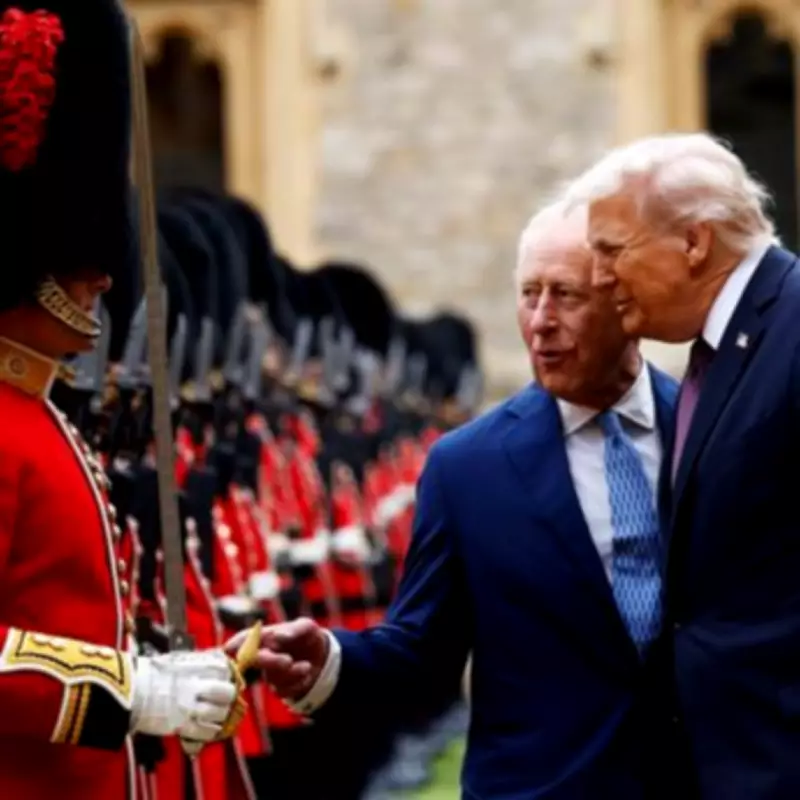
King Charles' State Visit to US Proceeds Despite Middle East Tensions
Buckingham Palace has officially confirmed that King Charles and Queen Camilla will undertake their highly anticipated state visit to the United States in late April, as originally planned. This confirmation comes amidst growing controversy and calls for postponement due to the ongoing conflict in the Middle East, particularly involving Iran. The Palace stated the visit will proceed "on advice of His Majesty's Government, and at the invitation of The President of the United States."
Historic First Visit as Monarch
This journey marks King Charles' first official visit to the United States as Britain's reigning monarch. It represents the first state visit by a British sovereign to America in nearly two decades, since Queen Elizabeth II's tour in 2007. The royal couple's itinerary will commemorate the 250th anniversary of American independence, featuring significant diplomatic engagements that underscore the enduring relationship between the two nations.
The Palace confirmed that King Charles will address a joint session of Congress, following in the footsteps of his mother, who became the first British monarch to address Congress in 1991 during her state visit following the Gulf War. Additionally, President Donald Trump will host the King and Queen for a glittering state dinner at the White House, an event the president has publicly expressed enthusiasm about, stating he is "looking forward" to meeting the King again.

Controversy and Political Strain
The timing of the visit has sparked considerable debate, with the royal tour occurring against the backdrop of heightened Middle East tensions. Senior Labour MP Dame Emily Thornberry has suggested it would be "safer to delay" the visit, warning that Charles and Camilla could face potential embarrassment due to the current international crisis. Conversely, US Ambassador to the UK Warren Stephens argued that postponing would be a "very big mistake," emphasizing the visit's significance for the King.
Political friction has been evident, with President Trump criticizing the UK's approach to the Middle East conflict as "terrible" and directing remarks at Prime Minister Sir Keir Starmer, whom he described as "not Winston Churchill." This exchange highlights the strained dynamics within the special relationship between the two allied nations during this period.
Diplomatic Significance and Royal Diplomacy
State visits are rarely postponed except for security reasons or illness, and the Royal Family's soft power diplomacy is viewed as a crucial mechanism for engaging with international leaders. This visit is particularly notable for its interaction with President Trump, a billionaire-turned-politician known for his admiration of the monarchy. Trump previously enjoyed a second state visit to the UK last year, unprecedented for an American leader, during which he praised the King as a "great gentleman and a great King."
Additional Stop in Bermuda
Following the US visit, King Charles will travel to Bermuda without Queen Camilla for his first royal visit as monarch to a British Overseas Territory. This segment of the tour underscores the global reach of the monarchy and its connections to Commonwealth nations.
Family Dynamics and Personal Reunions
The visit also raises questions about potential family reunions. King Charles' youngest son, the Duke of Sussex, resides on the US West Coast with his wife, the Duchess of Sussex, and their children, Prince Archie and Princess Lilibet. The tour may provide an opportunity for the King to see Harry, whom he last met face-to-face six months ago, and reunite with his grandchildren after four years apart, adding a personal dimension to the diplomatic mission.
While exact dates and specific details of the visit remain undisclosed, the Palace's confirmation solidifies plans for a landmark engagement that balances ceremonial celebration with complex geopolitical realities. The visit aims to celebrate historic connections and modern bilateral relationships, navigating both diplomatic protocols and contemporary challenges.