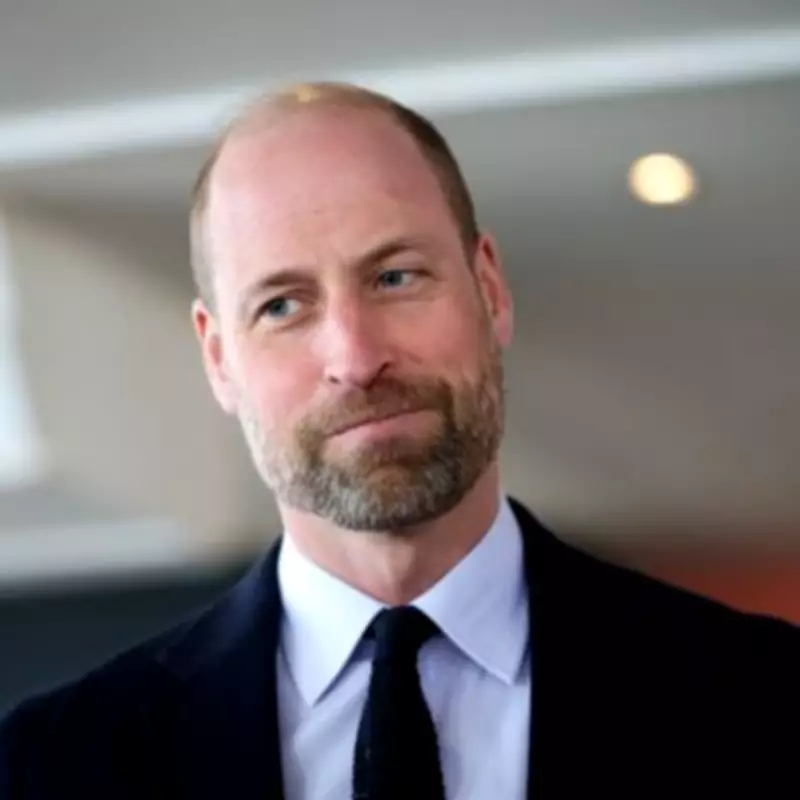
Prince William's Commitment to Church of England Affirmed Amid Faith Questions
A senior royal aide has firmly declared Prince William's commitment to the Church of England, addressing recent concerns about whether the future monarch possesses sufficient religious faith to fulfill his constitutional role. This statement comes directly following a prominent historian's warning that William must convincingly demonstrate belief to properly serve as King.
Addressing Questions About Royal Faith
Unlike his father King Charles III and his late grandmother Queen Elizabeth II, Prince William has never been known as a regular churchgoer. Royal biographer Robert Hardman previously noted in 2024 that while William "very much respects the institutions," he appears "not instinctively comfortable in a faith environment." This observation has sparked ongoing discussion about how the heir to the throne reconciles his personal spirituality with the constitutional requirements of monarchy.
The royal aide provided a nuanced explanation: "The Prince of Wales's commitment to the Church of England is sometimes quieter than people expect, and for that reason it is not always fully understood. Those who know him well recognise that his connection to the Church, and to the sense of duty that comes with it, runs deep and is grounded in something personal and sincere."

Constitutional Requirements and Personal Approach
British monarchs serve as Defender of the Faith and Supreme Governor of the Church of England, roles that carry significant constitutional and spiritual weight. Historian Tom Holland, co-host of The Rest Is History podcast, emphasized to The Times that genuine belief represents an essential qualification for kingship.
"Being a believer or at least convincingly seeming to be a believer is a job requirement, a necessary qualification - William can't really be King if he cannot manage that," Holland stated. "The King is an anointed king. That anointing is just mumbo jumbo if you are not yourself a Christian. And the Protestant settlement is what underpins the whole constitutional structure of the relationship between the Crown and parliament, so it's not some peripheral, minor detail - it is one of the foundation stones of the constitution."
Building Meaningful Relationships with Church Leadership
The aide revealed details of William's recent engagement with senior church figures, including a "warm and substantive conversation" with the new Archbishop of Canterbury, Dame Sarah Mullally. William plans to attend the archbishop's official installation ceremony this coming week, demonstrating his practical commitment to church leadership.
"The prince recently had a warm and substantive conversation with the new archbishop, reflecting his genuine interest not only in the Church's work, but in its role as a guardian of a distinctive and ancient English spiritual tradition that remains relevant in contemporary life," the aide explained.
They further elaborated on William's perspective: "At a time when institutions can be seen simply through a social or cultural lens, he understands that the Church's role goes beyond this. It is not only part of the nation's heritage, but a living expression of faith, rooted in prayer, compassion and a belief in grace and redemption."
Balancing Tradition with Modern Realities
A source close to Archbishop Mullally acknowledged practical considerations, noting: "We would love the (future) supreme governor to be at church every Sunday, but one has to be practical around the fact that they are a couple with young children." This recognition highlights the modern challenges facing royal figures who must balance ancient traditions with contemporary family life.
William's aide emphasized the prince's forward-looking approach: "As he looks ahead to the responsibilities he will one day assume as Supreme Governor, he is keen to build a strong and meaningful bond with the Church and its leadership, one that respects tradition while speaking to a modern Britain, and reflects his broader belief that institutions must continue to remain relevant and connected to the people they serve."

The aide concluded with a statement of William's commitment: "He understands the importance of the role he will inherit and is committed to carrying it forward with sincerity, authenticity and a clear sense of purpose. True to his character, he approaches these relationships as his authentic self."
This comprehensive affirmation of William's religious commitment comes at a significant moment as the prince prepares for his eventual succession, addressing both constitutional requirements and public expectations about the spiritual dimension of modern monarchy.