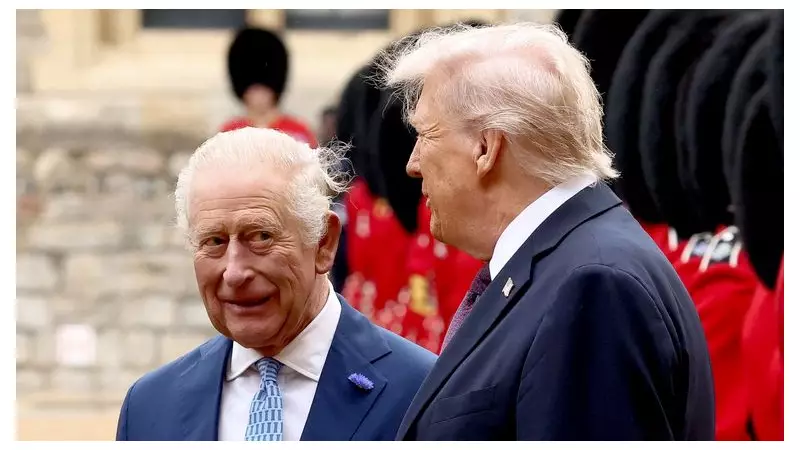
Royal Diplomacy Under Scrutiny After Trump's Afghanistan Comments
The potential for future engagements between King Charles III and former US President Donald Trump has become a subject of intense diplomatic discussion following Trump's controversial remarks about NATO forces in Afghanistan. While Buckingham Palace has maintained its customary silence on political matters, the implications of these comments resonate deeply within royal circles given the King's longstanding personal connections to the military.
The Afghanistan Controversy and Royal Sensitivities
Donald Trump's suggestion that British troops were not on the frontline in Afghanistan has struck a particularly discordant note with the Royal Family. This assertion stands in stark contrast to the King's own experiences and public statements regarding military service. As Prince of Wales in 2010, Charles made an unannounced visit to Helmand province, witnessing firsthand the challenging conditions faced by British forces.
The lasting impact of this experience became evident during a 2012 military awards ceremony where the then-Prince declared: "The unending, relentless courage of our armed forces is on display day after day in Afghanistan, and they have, I think, the most extraordinary resilience, patience, determination, despite the horrors of being turned upon from time to time by the people they're training and mentoring." These words highlight the profound respect he holds for service personnel, making Trump's dismissive comments particularly problematic from a royal perspective.

The King's Personal Military Connections
King Charles's relationship with the armed forces extends far beyond ceremonial duties. His own military service, combined with the experiences of other family members including Prince Harry's deployments to Afghanistan, creates a deeply personal connection to military matters. As the new head of the armed forces, the King has assumed a role that represents both constitutional responsibility and personal commitment.
This personal dimension creates a complex diplomatic situation. While Prince Harry, now outside the formal royal institution, has been able to express his anger about Trump's comments publicly, the King must navigate these waters with considerably more diplomatic restraint. The contrast between personal feelings and public duty creates a challenging balancing act for the monarchy.
Potential US Visit and Diplomatic Considerations
Reports suggest that the King and Queen may visit the United States later this year, possibly as early as April, to commemorate the 250th anniversary of American independence. Such a visit would traditionally celebrate the special relationship between the two nations, but Trump's comments have introduced unexpected complications.
The fundamental question facing British officials is whether granting Trump further royal access remains appropriate given the diplomatic tensions. Royal engagements with foreign leaders typically serve to maintain foundational friendships that help navigate difficult periods in international relations. This situation presents precisely such a testing moment for diplomatic protocols.
Decision-Making and Protocol
Ultimately, the decision regarding any future royal engagements with Donald Trump will involve careful consultation between Number 10 Downing Street and the Foreign Office. These institutions must weigh multiple considerations:
- The importance of maintaining longstanding international relationships
- The need to respect the King's personal connections to military matters
- The diplomatic implications of either proceeding with or cancelling planned engagements
- The broader context of US-UK relations beyond individual political figures
The irony of this situation becomes particularly apparent when considering last September's state visit, which prominently featured military ceremonial displays celebrating the historic connections between British and American armed forces. This context makes the current controversy especially poignant, raising questions about how best to honour shared military heritage while addressing contemporary diplomatic challenges.

As discussions continue behind closed doors, the royal family faces the delicate task of balancing personal convictions with public responsibilities, all while maintaining the diplomatic relationships that have long characterised the special connection between Britain and the United States.