

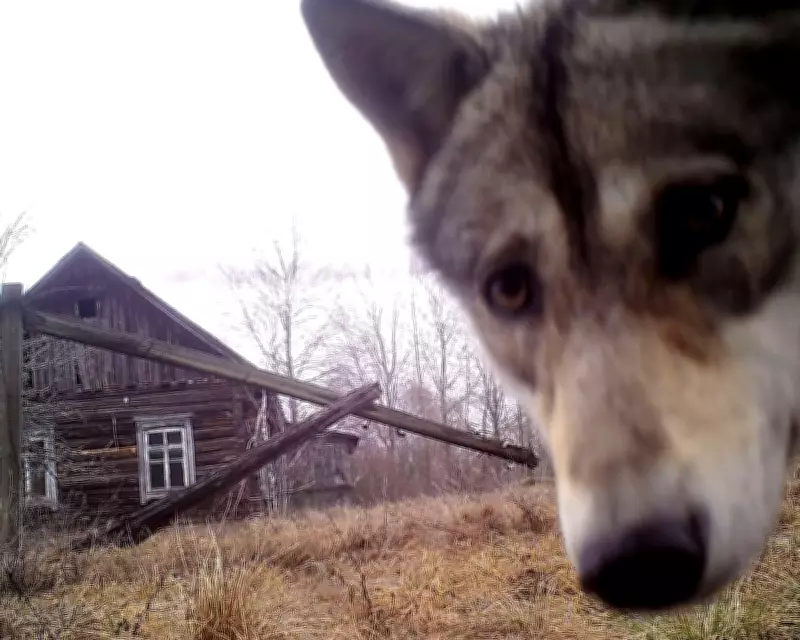
Forty years after the world's worst nuclear disaster, the Chornobyl exclusion zone remains heavily contaminated with caesium-137, plutonium, and other long-lived radionuclides. Yet, the area has become an accidental wildlife sanctuary, with wolf populations seven times higher than before the 1986 explosion, according to environmental scientist Jim Smith of the University of Portsmouth.
Wildlife Boom Amid Contamination
The 2,800 sq km exclusion zone in Ukraine and the neighboring Polesskiy radioecological reserve in Belarus form one of Europe's largest unplanned nature reserves. Elk, roe deer, and rabbits are also flourishing due to the absence of human pressure. Smith noted that the ecosystem is better now than before the accident, highlighting the relative impact of human habitation versus nuclear fallout.
Comparisons with Other No-Go Zones
Similar trends are observed in Fukushima, Japan, where wild boar and macaques have thrived after the 2011 meltdown, and the Korean Demilitarized Zone, home to 38% of South Korea's endangered species. These areas demonstrate nature's resilience when humans are removed.

Political and Energy Context
The anniversary comes amid renewed lobbying for nuclear power, driven by energy crises and wars in Ukraine and the Middle East. The Trump administration seeks to ease safety regulations for nuclear plants, while European Commission President Ursula von der Leyen called the shift away from nuclear a strategic mistake. However, anti-nuclear campaigners like Shaun Burnie of Greenpeace Ukraine argue that nuclear power remains risky and uncompetitive, especially with deliberate Russian attacks on Chornobyl and Fukushima's water discharge.
Ongoing Threats and Debates
A Russian drone strike last month damaged the containment structure over the most radioactive area, requiring €500 million in repairs. Inside, an estimated four tonnes of radioactive dust and debris remain. The official death toll from the disaster is 134, but studies estimate thousands of additional cancer deaths. Scientists remain divided on long-term ecological effects, but many agree that the exclusion zone's biodiversity has benefited from human absence.
Ukraine is now experimenting with agriculture in less contaminated areas. Smith, once an opponent of nuclear power, now cautiously supports it due to lower health and climate risks compared to fossil fuels. He estimates about 15,000 extra cancer deaths from Chornobyl, dwarfed by mortality from air pollution or nuclear weapons testing.
Greenpeace's Burnie counters that nuclear power produces less than 10% of global electricity and 4% of global energy after decades of subsidies, and remains a tool for plutonium production. The debate continues as the world grapples with energy security and climate goals.






